Table of Contents
High-protein breakfasts help maintain stable energy and reduce hunger until lunch. These recipes focus on simple techniques accessible to cooking beginners without requiring specialty equipment or ingredients.
Why Protein Matters
Protein increases satiety more than equivalent calories from carbohydrates. Eating 20-30g protein at breakfast reduces mid-morning snacking for most people.
Protein also supports muscle maintenance, important whether actively exercising or not. Distributed protein intake throughout day works better than concentrating it at dinner.
Common protein sources include eggs, dairy products, and protein powder. All work well for breakfast without expensive specialty items.
Scrambled Eggs Foundation
Scrambled eggs provide easiest egg preparation for beginners. Two eggs provide approximately 12-14g protein.
Whisk 2-3 eggs with splash of milk. Heat non-stick pan over medium heat with small amount butter or oil. Pour eggs in when pan warm. Stir occasionally with spatula. Eggs cook in 3-4 minutes. Season with salt and pepper.
Serve with toast and fruit for complete meal. Total time 5-7 minutes including prep.
Basic Omelet Technique
Omelets require slightly more skill than scrambled eggs but offer variety through fillings. Start with basic technique before adding ingredients.
Whisk 2-3 eggs. Heat pan over medium heat with oil or butter. Pour eggs in, let sit 30 seconds. Lift edges with spatula, tilt pan to let uncooked egg flow underneath. When mostly set, add filling to one half. Fold other half over. Cook 1 more minute.
Fillings include cheese, vegetables, cooked meat. Start simple - just cheese while learning technique.
Greek Yogurt Basics
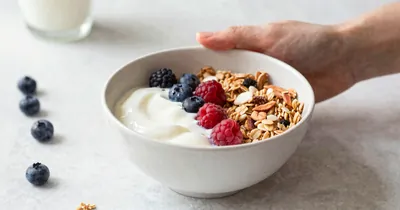
Greek yogurt requires zero cooking skill. One cup plain Greek yogurt provides 15-20g protein depending on brand.
Plain yogurt has less sugar than flavored varieties. Add your own fruit and small amount honey if sweetness desired. This provides control over sugar content.
Top with berries, nuts, or seeds. Granola works but watch portions - quarter cup adds 100-150 calories. Small amount adds crunch without excessive calories.
Yogurt stores 5-7 days after opening. Buy larger containers for better value.
Protein Smoothies
Smoothies work when morning time limited or solid food unappealing. Blend 1 cup milk with protein source (protein powder or Greek yogurt), fruit, and ice.
Basic ratio: 1 cup liquid, 1 scoop protein powder or half cup yogurt, 1 cup fruit. Blend until smooth. Makes one large serving with 20-25g protein.
Frozen fruit creates thicker texture without ice dilution. Banana, berries, or mango all work well.
Toast and Toppings
Whole grain toast provides base for protein toppings. Simple combinations create balanced breakfast without cooking skills.
Peanut butter toast with banana provides easy option. Spread 2 tablespoons peanut butter on toast. Add sliced banana. Pair with glass of milk for additional protein.
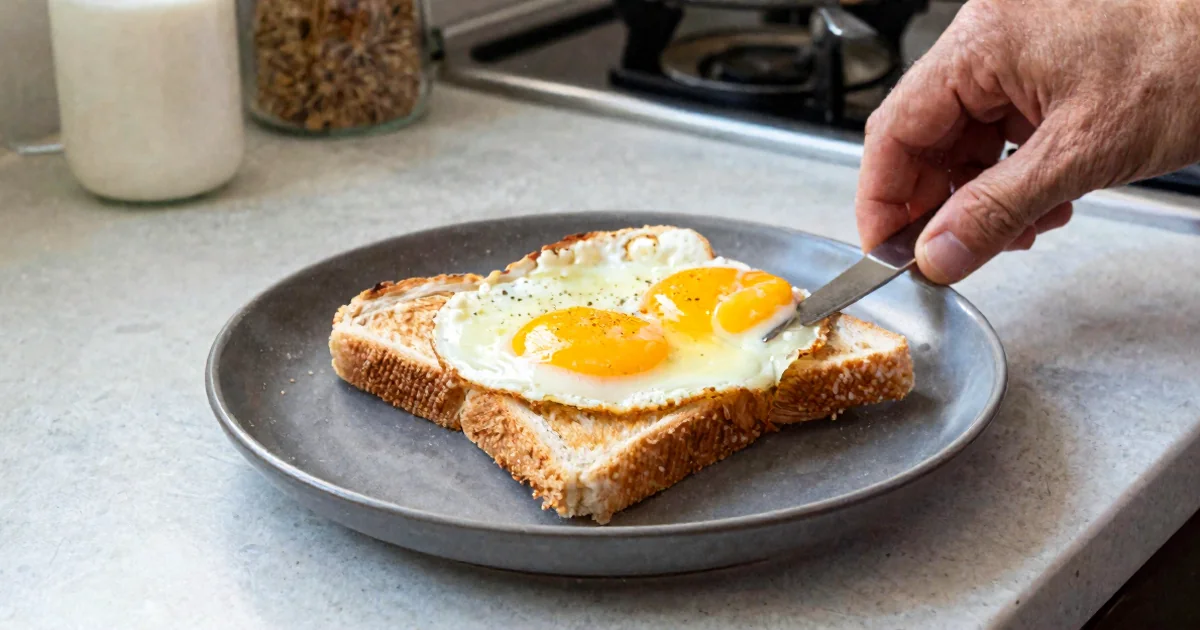
Avocado toast with fried egg combines healthy fats and protein. Mash quarter avocado on toast. Top with fried egg. Season with salt and pepper.
Cottage cheese on toast provides high protein option many people overlook. Half cup cottage cheese on toast gives 13-15g protein.
Hard Boiled Eggs
Hard boiled eggs prepare in advance for grab-and-go breakfasts. Place eggs in pot, cover with water. Bring to boil. Remove from heat, cover, let sit 10-12 minutes for hard yolks.
Run under cold water to stop cooking. Peel when cool. Store refrigerated up to one week.
Two hard boiled eggs plus piece of fruit makes simple breakfast requiring zero morning preparation.
Oatmeal with Protein
Regular oatmeal contains limited protein. Add protein sources to increase satiety. Cook half cup oats in 1 cup milk instead of water for extra protein.
Stir in quarter cup Greek yogurt after cooking or add scoop of protein powder. This increases protein from 5g to 20-25g.
Top with nuts for additional protein and healthy fats. Almonds, walnuts, or peanuts all work. Watch portions - quarter cup nuts adds 150-200 calories.
Quick Breakfast Burrito
Breakfast burritos combine several protein sources in portable format. Scramble 2-3 eggs. Warm tortilla. Add scrambled eggs, shredded cheese, and optional beans.
Roll burrito, folding ends in first. Eat immediately or wrap in foil for later. These freeze well - make several at once for weekly grab-and-go option.
Shopping List
Basic ingredients cover multiple breakfast options without specialty items. Standard grocery stores stock everything.
Proteins: Eggs (cheapest option), Greek yogurt (plain), cottage cheese, protein powder (optional), peanut butter
Dairy: Milk, cheese
Grains: Whole grain bread, oats, tortillas
Fruits: Bananas (cheap), berries (frozen work fine), apples
Optional: Nuts, avocados, vegetables for omelets
Time-Saving Strategies
Morning time constraints lead many people to skip breakfast. Simple prep solves this problem.
Prepare hard boiled eggs weekly. Mix overnight oats before bed. Keep yogurt and fruit portions ready in containers.
Decide breakfast night before. Gather ingredients. This reduces morning decision fatigue and saves time.
Common Beginner Mistakes
Cooking eggs too hot burns them quickly. Medium heat prevents this. Eggs continue cooking after removing from heat - slightly undercooked eggs finish cooking on plate.
Not seasoning food makes it bland. Salt and pepper improve taste significantly. Add while cooking, not just at table.
Skipping protein at breakfast because of time constraints. Quick options exist - hard boiled eggs, Greek yogurt, protein shake all take under 5 minutes.
Equipment Needs
Minimal equipment required. Non-stick pan makes egg cooking easier for beginners. Spatula for eggs. Blender for smoothies (optional - not required).
Most people own these items already. No specialty equipment needed.
Budget Considerations
High-protein breakfasts do not require expensive ingredients. Eggs cost less per gram protein than most other sources. Buy in larger quantities when on sale.
Store brand yogurt quality similar to name brands. Frozen fruit cheaper than fresh with equal nutrition. Skip expensive protein powders - whole foods work fine.
Building Consistency
Consistent breakfast routine matters more than variety. Choose 3-5 options you enjoy. Rotate these throughout week.
Preparing same breakfast repeatedly builds efficiency. You get faster at preparation with practice.
Start with easiest options first. Build confidence before trying more complex recipes.
Conclusion
High-protein breakfasts do not require cooking expertise or expensive ingredients. Scrambled eggs, Greek yogurt, and simple toast combinations provide solid foundations.
Focus on 20-30g protein at breakfast for satiety. Prepare items in advance when possible. Keep ingredients simple and accessible.
Build consistent routine with 3-5 rotation options. Complexity unnecessary - basic protein sources work fine.
Explore more recipes: Browse practical cooking guides at TopicNest Food
Disclaimer: Recipe results may vary. Adjust to dietary needs and preferences.
TopicNest
Contributing writer at TopicNest covering food and related topics. Passionate about making complex subjects accessible to everyone.