Table of Contents
Anti-Inflammatory Eating: What Actually Works
Chronic low-grade inflammation underlies most major non-communicable diseases - cardiovascular disease, type 2 diabetes, certain cancers, and neurodegenerative conditions. Unlike acute inflammation, which resolves after an injury or infection, chronic inflammation persists at low levels for years and damages tissues gradually.
Diet is one of the most modifiable drivers of chronic inflammation. A 2025 systematic review published in Frontiers in Nutrition found that the Mediterranean diet has the most pronounced anti-inflammatory potential of any studied dietary pattern, measured by reductions in C-reactive protein (CRP), interleukin-6 (IL-6), and tumor necrosis factor-alpha (TNF-alpha).
What Inflammation Is and When It Becomes a Problem
Inflammation is the immune system's standard response to damage or pathogens. In acute form, it is essential - without it, wounds do not heal and infections spread. The problem is chronic systemic inflammation driven by diet, stress, sedentary behavior, excess body fat, and environmental exposures.
CRP is the most commonly measured inflammatory marker. Values above 3 mg/L are associated with significantly elevated cardiovascular risk. IL-6 and TNF-alpha drive inflammatory signaling throughout the body and are elevated in both metabolic syndrome and autoimmune conditions.
The goal of anti-inflammatory eating is not to suppress immune function - it is to reduce the chronic background inflammatory load that comes from consistent dietary and lifestyle choices.
Evidence Hierarchy: Dietary Patterns Beat Individual Foods
Research consistently shows that overall dietary patterns predict inflammatory outcomes better than any single food or nutrient. The reason: inflammation is a systemic process influenced by dozens of dietary components simultaneously. Studies on individual foods rarely account for what the rest of the diet looks like.
The Mediterranean dietary pattern - characterized by high vegetable and fruit intake, legumes, whole grains, nuts, extra-virgin olive oil, fatty fish, and low intake of red meat and ultra-processed foods - has the deepest evidence base. Multiple meta-analyses across different populations show consistent reductions in CRP and other markers.
The DASH diet (designed for blood pressure reduction) shows similar anti-inflammatory effects in people with metabolic syndrome. Plant-based diets show benefits for CRP but effects on other markers are more variable.
Foods and Nutrients With Genuine Anti-Inflammatory Evidence
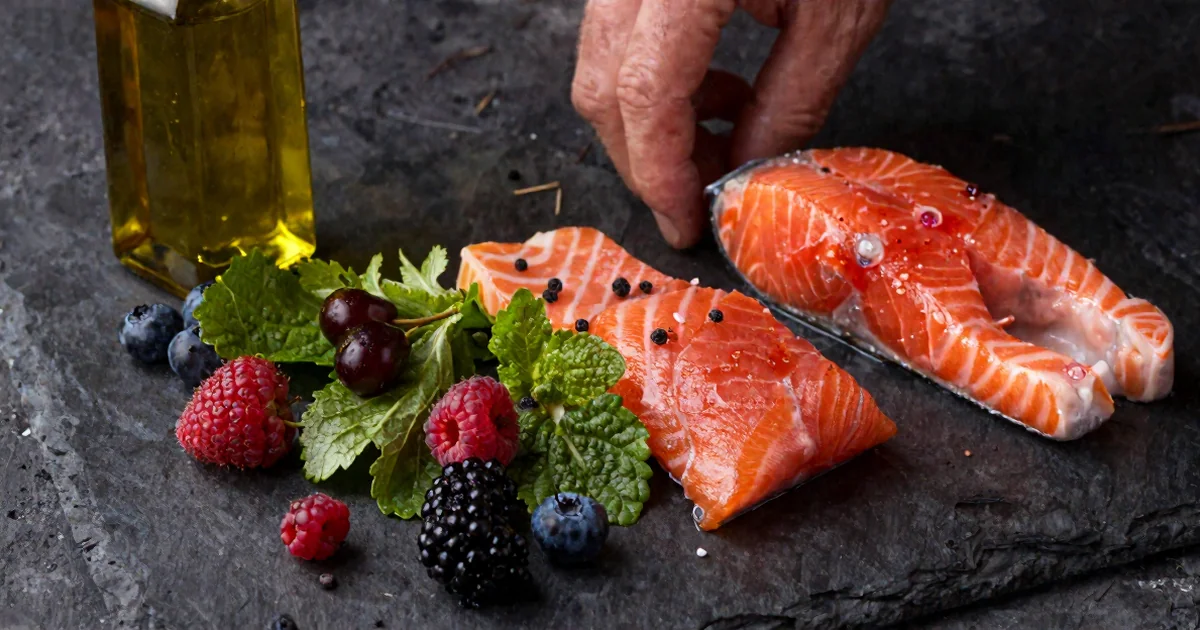
Extra-virgin olive oil (EVOO): The Mediterranean diet trials showing the strongest anti-inflammatory effects use EVOO as the primary fat source, at 60 ml or more daily. EVOO contains oleocanthal, a polyphenol with COX-inhibitory properties similar to ibuprofen. Use cold-pressed, high-polyphenol EVOO.
Fatty fish: Salmon, mackerel, sardines, and anchovies are high in omega-3 fatty acids (EPA and DHA). These polyunsaturated fats directly suppress pro-inflammatory cytokines including TNF-alpha, IL-6, and IL-18. An umbrella meta-analysis found that omega-3 PUFA supplementation significantly improved CRP, TNF-alpha, and IL-6 levels.
Polyphenol-rich plants: Berries, dark leafy greens, cruciferous vegetables, and brightly colored vegetables contain flavonoids and other polyphenols that reduce NF-kB signaling - the primary cellular pathway for inflammatory gene expression.
Turmeric (curcumin): Multiple trials show curcumin reduces CRP and IL-6 at doses of 1 to 3 g per day. Bioavailability is low without piperine (black pepper extract) or lipid-based formulation. The doses needed for anti-inflammatory effects are much higher than typical cooking amounts.
The Omega-6/Omega-3 Imbalance
Western diets are disproportionately high in omega-6 fatty acids from seed oils (corn, soybean, sunflower) used in processed and restaurant food, relative to omega-3 intake. Modern Western dietary omega-6 to omega-3 ratios are estimated at 15:1 to 20:1 - compared to the estimated evolutionary diet of 4:1 or lower.
High omega-6 intake does not directly cause inflammation, but it competes with omega-3 for the same metabolic enzymes, reducing the anti-inflammatory prostaglandins produced from omega-3. Increasing fatty fish or omega-3 supplementation while reducing processed food omega-6 intake is one of the most practical shifts.
Nightshades and Other Myths
Nightshade vegetables (tomatoes, peppers, eggplant, potatoes) are frequently cited in wellness content as pro-inflammatory. The claim lacks robust evidence in healthy individuals. Nightshades are rich in polyphenols and antioxidants that have anti-inflammatory properties in most people. People with certain autoimmune conditions sometimes self-report sensitivity, but controlled studies have not confirmed a general inflammatory effect from nightshades in the healthy population.
Ultra-Processed Foods as the Primary Driver
The most consistent finding across inflammation research is that ultra-processed food intake is the strongest dietary predictor of elevated inflammatory markers. Emulsifiers used in processed foods disrupt the gut mucus layer and trigger intestinal inflammation. High refined sugar intake promotes glycation end-products and inflammatory signaling. Trans fats (now largely banned but still present in some markets) directly stimulate pro-inflammatory pathways.
Reducing ultra-processed food intake produces measurable CRP reductions within 4 weeks in intervention studies, independent of other dietary changes.
A Practical 7-Day Anti-Inflammatory Framework
Prioritize: fatty fish twice per week, extra-virgin olive oil as primary cooking fat, varied vegetables and berries daily, legumes four or more times per week, whole grains instead of refined grains.
Reduce: ultra-processed foods, refined sugar, high omega-6 seed oils, and red processed meat.
Add: 2 tablespoons ground flaxseed daily (plant-based omega-3), mixed nuts as a daily snack, and turmeric with black pepper in cooking.
The shift does not need to be complete to be effective. Research on dose-response effects suggests that moving from a low-quality to a moderately Mediterranean-style diet produces substantial inflammatory marker reductions, even without perfect adherence.
This content is for educational purposes only and not medical advice. Consult healthcare professionals before starting new health or fitness programs.
TopicNest
Contributing writer at TopicNest covering health and related topics. Passionate about making complex subjects accessible to everyone.