Table of Contents
Brown noise has surged in popularity over the past two years, with millions of streams on Spotify and dedicated communities swearing by its sleep-inducing properties. But noise comes in multiple "colors" - and the differences matter more than most people realize.
Understanding which type of noise works best for your specific needs - whether that is falling asleep, maintaining focus, or reducing anxiety - can save you from cycling through options that do not suit your brain.
What "Color" Actually Means in Noise
Noise color refers to the distribution of energy across different frequencies. Each color emphasizes different parts of the sound spectrum, which is why they sound distinctly different even though they are all technically random noise.
White noise distributes energy equally across all frequencies humans can hear (20 Hz to 20,000 Hz). It sounds like television static or a hissing radiator - bright, sharp, and high-frequency-heavy.
Pink noise reduces energy as frequency increases. It sounds softer and more balanced than white noise - similar to steady rainfall or wind through trees. Each octave carries equal energy, which our ears perceive as more natural.
Brown noise (also called red noise or Brownian noise) concentrates energy in lower frequencies with a steep drop-off in higher frequencies. It sounds like a deep rumble - similar to a strong waterfall, distant thunder, or the low hum of a jet engine. The name comes from Brownian motion, not the color.
What Research Says About Each Color
White Noise and Sleep
White noise has the longest research history. A 2021 systematic review in Sleep Medicine Reviews found that white noise improved sleep onset (falling asleep faster) in 38% of studies examined, with moderate overall evidence. However, several studies found no significant benefit, and one found it could fragment sleep in some individuals.
White noise works best for masking inconsistent environmental sounds - traffic, snoring partners, barking dogs. Its broad frequency coverage means it masks a wide range of disruptions. For people in noisy environments, this makes it the most practical choice.
Pink Noise and Deep Sleep
Pink noise research is more promising for sleep quality specifically. A 2017 study in Frontiers in Human Neuroscience found that pink noise played during sleep increased time spent in slow-wave (deep) sleep and improved memory consolidation by up to 26%.
The theory is that pink noise mimics the frequency distribution of brain waves during deep sleep, helping the brain synchronize into restorative sleep states. However, this research is still in early stages with small sample sizes.
Brown Noise and Focus/Anxiety
Brown noise has the least formal sleep research but the most enthusiastic community following. The ADHD community in particular reports significant benefits for focus and anxiety reduction, with thousands of anecdotal reports on forums like r/ADHD.
The proposed mechanism is that brown noise's deep, low-frequency emphasis engages the brain's auditory system without the sharpness that some people find irritating in white noise. This creates a "sound blanket" that reduces awareness of both external distractions and internal mental chatter.
No large clinical trials specifically study brown noise for ADHD or anxiety, but the overlap with research on low-frequency sound and nervous system regulation suggests a plausible pathway.
Choosing Based on Your Needs
| Need | Best Color | Why |
|---|---|---|
| Falling asleep in noisy environments | White | Broad masking across all frequencies |
| Improving deep sleep quality | Pink | May synchronize with slow-wave brain activity |
| Focus during work | Brown | Low-frequency emphasis without sharp highs |
| Anxiety or sensory overwhelm | Brown | Calming low frequencies, no irritating highs |
| Tinnitus masking | White or pink | Depends on the frequency of your tinnitus |
| Baby sleep | Pink or white | Both effective - try both and observe response |
The most honest answer is: individual variation matters more than color theory. Some people find white noise calming while others find it grating. Some swear by brown noise for sleep while others need pink noise. Try each for at least three consecutive nights before judging.
Sound Machine Recommendations
Premium: Hatch Restore 3 (around $170)
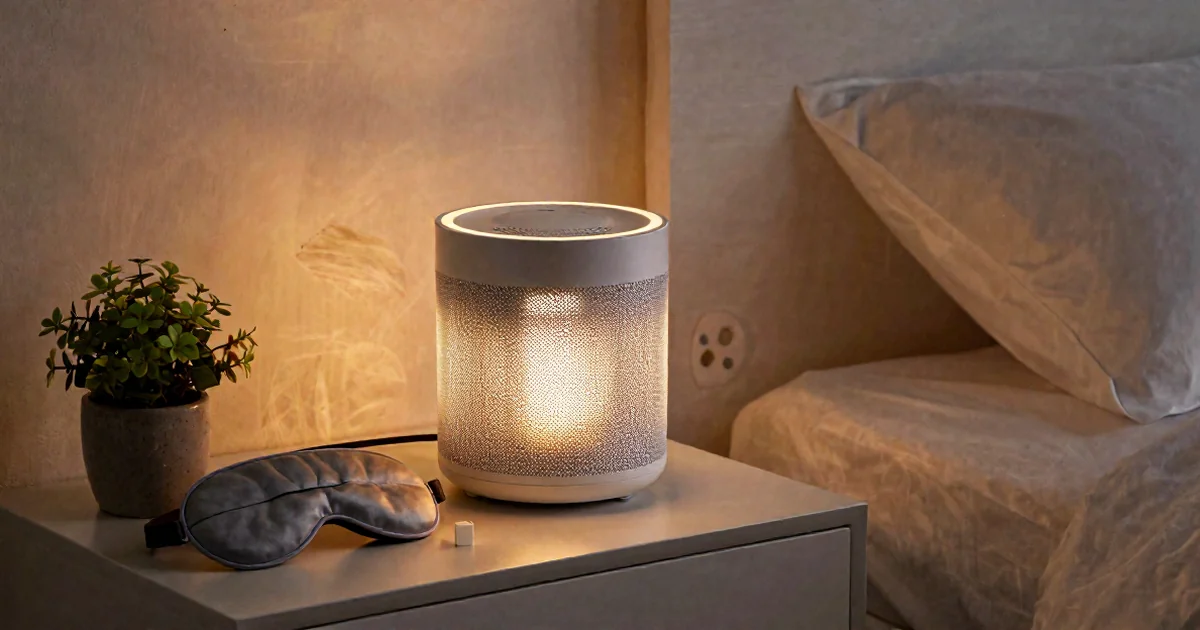
The Hatch Restore 3 functions as a smart sleep device - alarm clock, sound machine, and reading light in one. It offers white, pink, and brown noise along with nature sounds and guided meditations. The sunrise alarm feature helps morning waking feel more natural.
Best for those who want an all-in-one bedside device with app control and smart home integration.
Best Value: LectroFan EVO (around $50-60)
Winner of multiple sleep product awards, the LectroFan EVO generates 22 unique sounds including white, pink, brown noise, and fan sounds. Non-looping technology means no repetitive patterns that your brain might latch onto.
The compact size makes it practical for travel. Sound quality is clean and adjustable across a wide volume range.
Budget: LectroFan Classic (around $35-45)
The original LectroFan with 20 non-looping sounds - 10 fan sounds and 10 ambient noise variations. It lacks brown noise specifically but covers white and pink noise well. At this price, it is the best entry point for testing whether sound machines work for you.
Free Alternatives
Before buying a device, test each noise color using free resources:
- Spotify and Apple Music have dedicated brown, white, and pink noise playlists and albums, some running 8+ hours
- YouTube offers "10-hour" noise videos in every color
- Apps like myNoise (free with optional donation) let you customize frequency mixes, which is useful for finding your ideal balance between colors
The disadvantage of phone-based solutions is that your phone remains active and connected throughout the night, which some people find problematic for sleep hygiene. A dedicated sound machine removes the temptation to check notifications.
Practical Tips for Using Sound for Sleep
- Volume matters. Keep it low enough to be background rather than foreground. Research suggests 40-50 dB is optimal - roughly the volume of light rain
- Consistency helps. Using the same sound nightly creates a conditioned association between the sound and sleep onset
- Placement affects quality. Position the sound machine at bedside level, not directly next to your head
- Give it time. Sound-based sleep aids often take 3-5 nights before the brain fully adapts and associative benefits kick in
- Do not use earbuds for sleep. Besides comfort issues, prolonged earbud use at close range may affect hearing over time. Speakers are safer
The Bottom Line
All three noise colors have legitimate uses, and none is universally "best." White noise excels at masking environmental disruptions. Pink noise shows the most promise for improving deep sleep quality. Brown noise has the strongest community support for focus and anxiety relief, though formal research is still catching up.
Start with free resources to identify which color works for your brain, then invest in a sound machine if you find value in the approach.
This content is for educational purposes only and not medical advice. Consult healthcare professionals for persistent sleep issues.
Explore more evidence-based health strategies at TopicNest Health.
TopicNest
Contributing writer at TopicNest covering health and related topics. Passionate about making complex subjects accessible to everyone.