Table of Contents
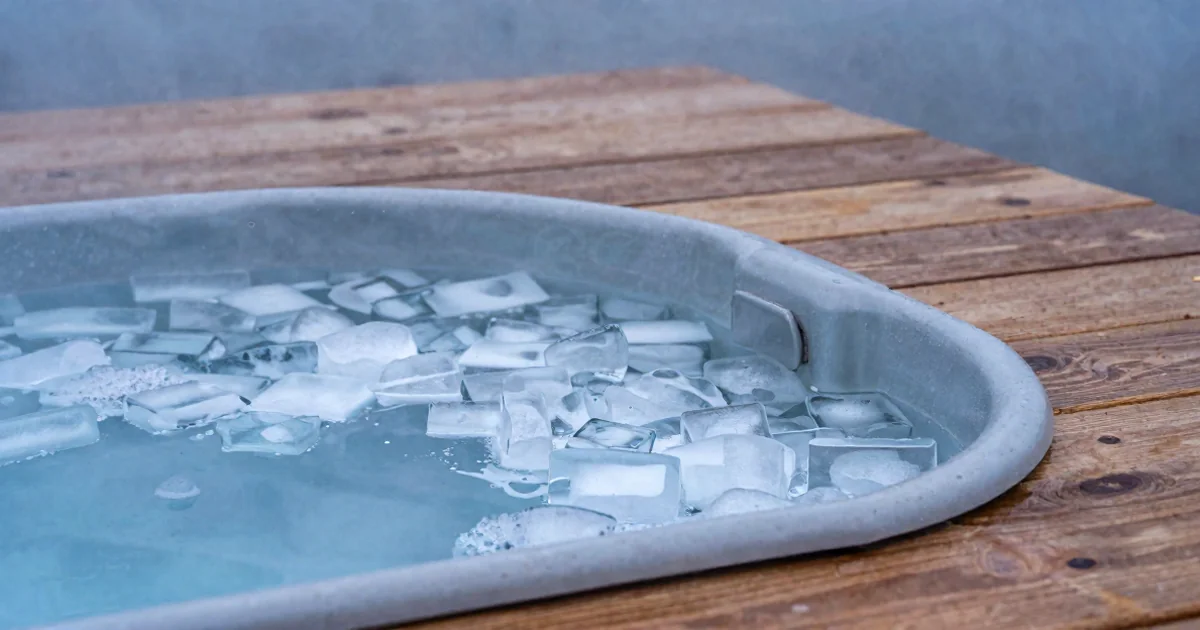
The cold plunge trend has moved from extreme athlete recovery rooms into suburban backyards. With search interest at an all-time high and home tubs selling faster than ever, the gap between marketing claims and actual evidence deserves a closer look.
What Cold Water Immersion Actually Does to Your Body
When you submerge in water below 15°C, your body triggers a cascade of responses. Blood vessels constrict, pushing blood toward your core. Heart rate increases, and your sympathetic nervous system activates a stress response.
Research published in the International Journal of Circumpolar Health found that regular cold water immersion increases norepinephrine levels by 200-300%. This neurotransmitter plays a role in attention, focus, and mood regulation - which partly explains why people report feeling alert and euphoric after a cold plunge.
A 2022 meta-analysis in Sports Medicine examined 52 studies and found moderate evidence that cold water immersion reduces delayed-onset muscle soreness (DOMS) after exercise. The effect was most pronounced 24-48 hours post-exercise.
The Claims vs. The Evidence
Not every benefit attributed to cold plunging holds up under scrutiny. Here is where the science stands on common claims.
Muscle recovery: Moderate evidence supports reduced soreness after intense exercise. However, a 2019 study in the Journal of Physiology found that cold water immersion after strength training may actually blunt muscle growth by reducing the inflammatory response needed for adaptation. If building muscle is your goal, timing matters.
Fat loss and metabolism: Brown fat activation through cold exposure is real, but the metabolic impact is modest. A 2024 study found cold exposure activated brown fat but burned only 60-80 extra calories per session - roughly equivalent to half an apple.
Mood and mental health: This is where evidence looks most promising. A 2023 BMJ case report documented significant depression improvement with weekly cold water swimming. The norepinephrine and dopamine response is well-documented, though large-scale clinical trials are still limited.
Immune function: Mixed results. Some studies show increased white blood cell counts with regular cold exposure, while others find no significant immune benefit. The 2016 PLoS ONE Dutch study found cold shower practitioners had 29% fewer sick days, but the mechanism remains debated.
Who Should Avoid Cold Plunging
Cold plunging carries real risks for certain populations. People with cardiovascular conditions, uncontrolled hypertension, or Raynaud's disease should consult a doctor before attempting cold immersion. The sudden cardiac stress from cold water can be dangerous.
Pregnant individuals, those with cold urticaria (cold-induced hives), and anyone on beta-blockers should also exercise caution or avoid cold plunging entirely.
Practical Guide: Temperature, Duration, and Frequency
For those who want to try cold plunging safely, research suggests these parameters:
- Temperature: 10-15°C for beginners, 3-7°C for experienced practitioners
- Duration: 2-5 minutes is sufficient for most benefits - longer is not necessarily better
- Frequency: 2-4 sessions per week shows benefits in most studies
- Timing: Avoid immediately after strength training if muscle growth is your priority
Start with cold showers (30-60 seconds at the end of a regular shower) before investing in a dedicated tub.
Best Cold Plunge Tubs for Home Use
If you decide cold plunging fits your recovery routine, these options cover different budgets:
Budget pick: The Cold Pod Ice Bath Tub (around $100-156) holds 4,000+ reviews on Amazon and works well for most people. It is portable, easy to set up, and requires manual ice addition.
Mid-range: Ice Barrel (around $1,199) offers a standing design that uses less water and maintains temperature better than inflatable options.
For taller users: The Cold Pod XL (around $150-200) provides extra space for people over 185 cm who find standard tubs cramped.
All three require ice unless you add a separate chiller unit, which typically costs $500-2,000 extra.
The Bottom Line
Cold plunging has legitimate benefits for mood, alertness, and post-exercise soreness - but it is not the cure-all that social media suggests. The metabolic and immune claims remain overstated relative to current evidence.
If you enjoy the practice and have no cardiovascular contraindications, 2-4 sessions per week at 10-15°C for 2-5 minutes is a reasonable protocol. Start with cold showers before spending money on equipment.
This content is for educational purposes only and not medical advice. Consult healthcare professionals before starting new health or fitness programs.
Explore more evidence-based health strategies at TopicNest Health.
TopicNest
Contributing writer at TopicNest covering health and related topics. Passionate about making complex subjects accessible to everyone.