Table of Contents
Fitness programming divides into two dominant approaches: functional fitness emphasizing multi-planar movements and traditional strength training focusing on isolated muscle development. Neither proves universally superior. The distinction matters because training goals determine which methodology produces better outcomes.
Functional fitness prioritizes movement patterns that translate to daily activities - squatting, pushing, pulling, rotating, carrying. Traditional strength training targets specific muscle groups through controlled, often single-joint movements. Understanding how each approach affects performance, injury prevention, and long-term adherence helps match training style to individual needs.
Defining Functional Fitness
Functional training programs emphasize compound movements engaging multiple muscle groups simultaneously. A kettlebell swing activates hips, core, shoulders, and grip strength in one fluid motion. This mirrors real-world demands more closely than isolated exercises.
Research in the Journal of Strength and Conditioning Research (2019) compared functional training to traditional methods across 12 weeks. Participants doing functional exercises showed greater improvements in balance, coordination, and activities of daily living scores. Traditional strength training produced larger gains in maximal strength for specific muscle groups.
Functional fitness incorporates unstable surfaces, rotation, and multi-directional movement. A lunge with rotation challenges the body differently than a leg press machine. The TRX suspension trainer exemplifies this approach - bodyweight exercises requiring constant stabilization.
Traditional Strength Training Principles
Traditional programming isolates muscle groups through controlled movement patterns. Bench press targets chest, shoulders, and triceps along a fixed bar path. Leg extensions isolate quadriceps. This specificity allows progressive overload tracking for individual muscles.
Bodybuilding and powerlifting both use traditional approaches but with different goals. Bodybuilders chase muscle hypertrophy through moderate weight and higher volume. Powerlifters pursue maximal strength in three lifts: squat, bench press, deadlift. Both methodologies produce measurable results through isolation and progressive resistance.
Machines guide movement patterns, reducing stabilization requirements. This isolation proves valuable for rehabilitation, targeting weak muscle groups, or maximizing hypertrophy in specific areas. Adjustable dumbbells offer similar benefits with more movement freedom than machines.
Movement Patterns vs. Muscle Isolation
Functional training organizes exercises around movement patterns: squat, hinge, push, pull, carry, rotate. A Ader slam ball overhead throw combines hip extension, core rotation, and shoulder movement - multiple patterns in one explosive action.
Traditional training categorizes exercises by muscle group: chest day, leg day, back day. This split allows higher volume per muscle group with adequate recovery between sessions. The approach maximizes hypertrophy when nutrition and rest support training demands.
Research in Sports Medicine (2021) examined injury rates between training styles. Functional training showed 23% fewer overuse injuries but 15% more acute injuries from complex movements performed incorrectly. Traditional strength training demonstrated opposite patterns - fewer acute injuries but more chronic overuse issues from repetitive isolated movements.
Hybrid Training: Combining Both Approaches
Many successful programs integrate both methodologies. Starting workouts with heavy compound lifts (squats, deadlifts, presses) builds foundational strength. Finishing with functional movement patterns improves movement quality and work capacity.
An example hybrid session might include:
- Barbell back squats (traditional strength)
- Kettlebell swings (functional power)
- Dumbbell bench press (traditional strength)
- Battle rope waves (functional conditioning)
- Core stability circuits (functional integration)
This combination addresses strength development, movement quality, and cardiovascular conditioning. Athletes training for sports often benefit most from hybrid approaches matching their competitive demands.
Athletic Performance Considerations
Athletes require strength that transfers to their sport. A basketball player needs explosive hip power, rotational core strength, and overhead stability - all functional demands. Pure bodybuilding splits might build impressive physiques but miss sport-specific movement patterns.
Studies on vertical jump performance show functional plyometric training produces better results than traditional leg extensions and curls. However, foundational strength from squats and deadlifts enhances plyometric training effectiveness. The relationship proves synergistic rather than competitive.
ToughFit plyo boxes enable explosive training targeting fast-twitch muscle fibers through jumping movements. This functional tool complements heavy strength work for athletes prioritizing power output.
Injury Prevention and Rehabilitation
Physical therapists often favor functional movements for rehabilitation. Exercises mimicking daily activities help patients regain practical capabilities. Someone recovering from knee surgery benefits more from step-ups and single-leg balance work than leg extension machines.
Traditional isolation exercises prove valuable when specific muscles need targeted strengthening. A weak VMO (vastus medialis oblique) contributing to knee pain responds well to terminal knee extensions - an isolated movement addressing a specific weakness.
Research in the American Journal of Sports Medicine (2020) found combined approaches reduced re-injury rates by 31% compared to either method alone. Functional movement screens identify deficits, isolation work strengthens weak links, then integrated functional training restores full movement capacity.
Time Efficiency and Workout Structure
Functional training generally burns more calories per session through compound movements engaging multiple muscle groups. A 45-minute circuit incorporating kettlebells, Ader slam balls, and bodyweight exercises elevates heart rate while building strength.
Traditional bodybuilding splits require more total weekly time for comparable muscle development. Isolating muscle groups means longer workouts or more frequent sessions to train all body parts adequately. Someone with limited time might prefer functional full-body sessions three times weekly over five-day body part splits.
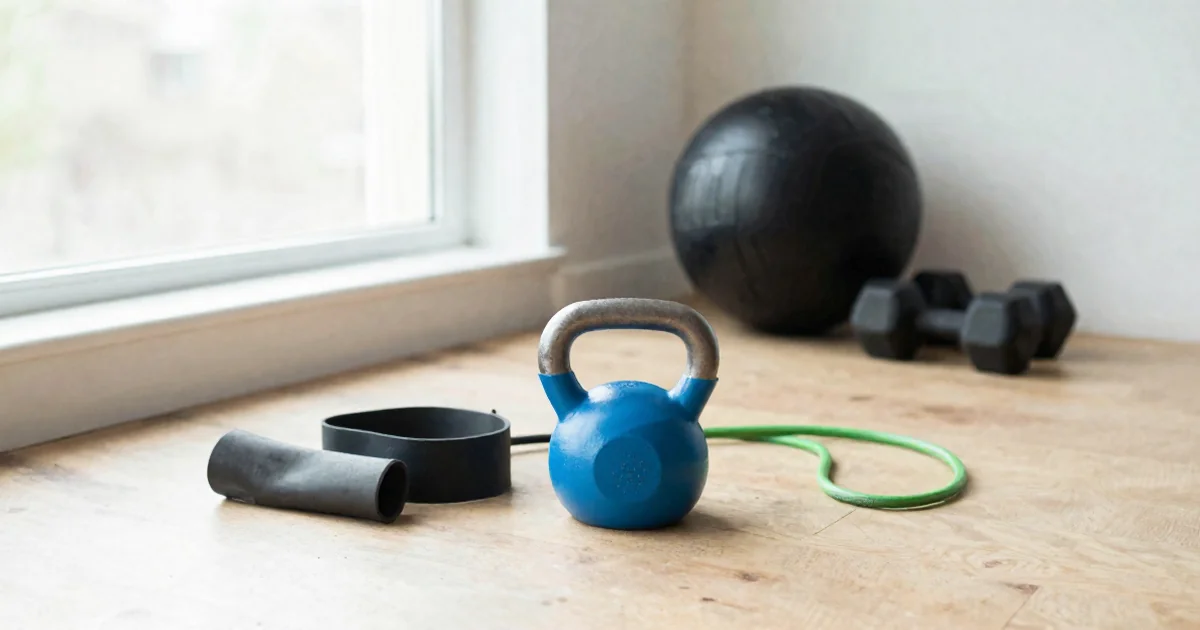
The Valor Fitness home gym bundle includes kettlebells, resistance bands, and jump ropes - enough equipment for comprehensive functional workouts in small spaces. Traditional setups often require more equipment and space for comparable muscle group coverage.
Who Benefits Most From Each Approach
Functional fitness suits:
- Older adults maintaining independence
- Athletes training for sports performance
- People with limited time seeking efficient workouts
- Those prioritizing movement quality over muscle size
- Individuals recovering from injuries
Traditional strength training suits:
- Bodybuilders pursuing muscle hypertrophy
- Powerlifters competing in strength sports
- People with specific aesthetic goals
- Those who enjoy structured progression tracking
- Individuals needing targeted muscle development
Most people pursuing general fitness benefit from hybrid approaches. Building foundational strength through compound lifts while maintaining movement quality through functional patterns addresses multiple fitness components simultaneously.
Programming Considerations
Functional training programming emphasizes movement competency before loading. Learning proper hip hinge patterns prevents back injuries during kettlebell swings. Traditional programming focuses on progressive overload - gradually increasing weight, sets, or reps over time.
Periodization applies to both approaches. Functional programs might cycle between power, endurance, and skill phases. Traditional programs alternate between hypertrophy, strength, and deload weeks. Both methodologies require intelligent planning for continued progress.
Resistance bands enable variable resistance training - tension increases throughout movement range. This characteristic benefits both functional movement patterns and traditional isolation exercises, making bands versatile tools regardless of training philosophy.
Research on Long-Term Adherence
Exercise adherence determines long-term results more than specific methodology. A 2018 study in Psychology of Sport and Exercise found enjoyment predicted continued participation better than perceived effectiveness. People stick with training styles they find engaging.
Functional training's variety and practical applications appeal to some individuals. Others prefer the clear progression metrics and muscle focus of traditional training. The "best" approach becomes whichever method someone maintains consistently over years.
Group functional fitness classes show higher adherence rates than solo gym sessions for many people. The social component and guided instruction reduce barriers. Conversely, some individuals prefer solitary traditional training with self-directed progression.
Making the Decision
Choosing between functional and traditional training starts with defining goals. Someone wanting to play recreational sports with their kids benefits from functional movement patterns. Someone pursuing bodybuilding competitions needs traditional hypertrophy programming.
Most people don't need to choose exclusively. A 60-minute workout can include 30 minutes of traditional strength work followed by 30 minutes of functional conditioning. This hybrid approach develops strength, movement quality, and cardiovascular fitness simultaneously.
Equipment availability often influences methodology. Limited space favors functional training with minimal gear like kettlebells and bodyweight exercises. Access to a full gym enables traditional body part splits with specialized machines.
The Reality: Context Determines Superiority
The functional versus traditional debate creates false dichotomy. Both approaches work when matched to appropriate goals and implemented properly. Research supports effectiveness of each methodology for different outcomes.
An aging population benefits from functional training maintaining daily living capabilities. Young athletes need explosive functional power. Bodybuilders require traditional isolation for symmetrical development. Powerlifters pursue traditional maximal strength. General fitness enthusiasts often thrive with hybrid combinations.
The practical answer involves assessing individual goals, preferences, constraints, and physical condition. Programming should address specific needs rather than adhering dogmatically to one philosophy. Functional and traditional approaches represent tools in a broader fitness toolkit - skilled application matters more than brand loyalty to either method.
Successful long-term fitness comes from finding sustainable approaches matching personal circumstances. Whether that means functional circuits, traditional splits, or hybrid combinations depends on individual context. The best training program proves to be the one you'll actually follow consistently.
This content is for educational purposes only and not medical advice. Consult healthcare professionals before starting new health or fitness programs.
TopicNest
Contributing writer at TopicNest covering health and related topics. Passionate about making complex subjects accessible to everyone.