Table of Contents
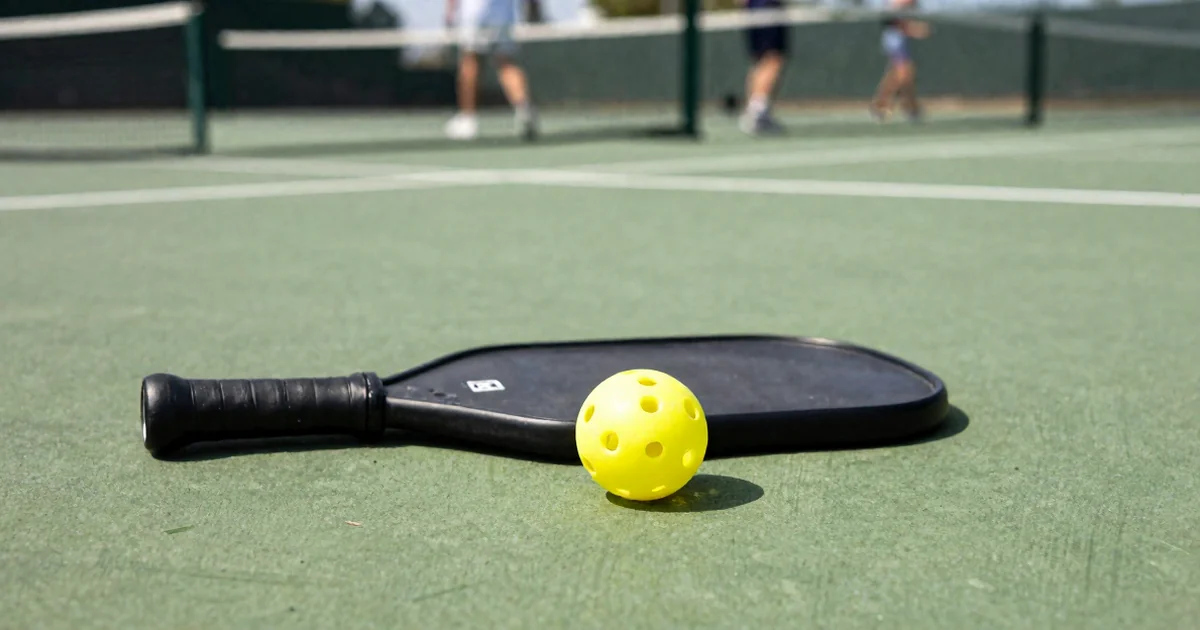
Pickleball courts now outnumber tennis courts in many American communities. The sport combines elements of tennis, badminton, and ping-pong on a smaller court with simplified rules. What started as retirement community activity has evolved into mainstream fitness phenomenon attracting all age groups.
The Sports & Fitness Industry Association reported pickleball grew from 4.2 million players in 2021 to 10.8 million in 2024 - 158% growth over three years. This trajectory exceeds all other recreational sports. Understanding why helps identify broader shifts in how people approach fitness and social connection.
Why Pickleball Replaced Traditional Gym Culture for Many Adults
Gym memberships create commitment without guaranteed engagement. Monthly fees continue regardless of usage, equipment intimidates beginners, and solo workouts lack social accountability. Pickleball addresses these barriers through inherently social structure and immediate skill development.
Accessible Entry and Quick Skill Development
Pickleball's smaller court (20x44 feet vs tennis's 78x36) reduces ground coverage requirements. The underhand serve and slower ball speed make rallies achievable for beginners within first sessions. Unlike tennis requiring months of practice before enjoyable gameplay, pickleball delivers fun immediately.
Rules simplify quickly. The "kitchen" (non-volley zone) and double-bounce rule create strategic depth without complex scoring systems. Most new players grasp fundamentals within 30-60 minutes, enabling participation in actual games rather than endless drilling.
Complete beginner sets like Sprypals 4-paddle packages provide everything needed to start playing - paddles, balls, and carrying case for $40-60. This low barrier enables trying the sport without significant financial commitment.
Built-In Social Accountability
Doubles format (most common recreational play) requires partners and opponents. Scheduling games creates accountability absent in solo gym routines. Missing scheduled pickleball generates social consequences beyond personal disappointment - partners and opponents expect attendance.
Community formation happens organically. Regular players develop friendships through repeated interaction. Many communities report stronger social connections through pickleball than decades of gym membership. This social element proves particularly valuable for older adults, remote workers, or people new to areas.
Online communities and apps like Pickleball Central and Playtime Scheduler connect players for organized games. Public courts enable walk-up participation, reducing organization friction compared to team sports requiring advance coordination.
Mental Health Through Social Engagement
Research consistently demonstrates social connection's mental health benefits. A 2023 study in Social Science & Medicine found adults participating in social recreational sports reported 40% lower anxiety and depression scores compared to solo exercisers achieving equivalent physical activity.
Pickleball combines physical movement with conversation, laughter, and friendly competition. The intermittent nature (games pause between rallies) enables social interaction impossible during continuous cardio. Players develop relationships extending beyond courts - organizing social events and supporting each other through life challenges.
Unlike competitive athletics creating performance pressure, recreational pickleball emphasizes participation over winning. This reduces cortisol response while maintaining engagement benefits.
Fitness Benefits of Pickleball
While social elements attract participants, pickleball delivers legitimate cardiovascular and musculoskeletal benefits comparable to other moderate-intensity activities.
Cardiovascular Effects
Pickleball elevates heart rate to 50-70% maximum for most recreational players - the moderate intensity zone associated with cardiovascular health benefits. A 2021 study in the International Journal of Research in Exercise Physiology measured pickleball metabolic equivalent (MET) values at 4.0-7.0 METs depending on intensity - comparable to brisk walking or recreational cycling.
A 150-pound person playing moderate pickleball burns approximately 250-350 calories per hour. Competitive play increases this to 400-500+ calories hourly. These values prove sufficient for weight management when combined with reasonable dietary habits.
Interval nature (brief intense rallies followed by recovery between points) creates cardiovascular conditioning similar to moderate interval training. Players unconsciously practice work-rest ratios beneficial for heart health without structured HIIT programming.
Musculoskeletal Demands
Pickleball requires multidirectional movement, rotation, and dynamic balance - functional fitness patterns often absent in gym routines. Lateral shuffling strengthens hip stabilizers. Quick directional changes improve agility and coordination. Reaching for balls challenges shoulder mobility and core stability.
Lower impact compared to tennis (smaller court means less sprinting) proves beneficial for joint health. The sport suits people unable or unwilling to tolerate high-impact activities like running. Many participants report playing multiple times weekly without overuse injuries common in repetitive single-plane activities.
Upper body demands remain moderate - primarily shoulders, forearms, and core. Adding supplemental strength training 1-2 weekly sessions addresses musculoskeletal balance. Resistance bands provide simple shoulder and rotator cuff strengthening preventing common pickleball overuse injuries.
Balance and Proprioception
Dynamic balance requirements during rapid directional changes and reaching shots improve proprioception and neuromuscular control. Research shows activities requiring multidirectional movement reduce fall risk in older adults more effectively than straight-line cardio.
Pickleball's cognitive demands - tracking ball trajectory, anticipating opponent movement, strategic shot placement - engage neural pathways differently than repetitive gym exercises. This cognitive-physical combination may offer neuroprotective benefits, though longitudinal research remains limited.
Pickleball vs Tennis vs Badminton
All three racquet sports offer fitness and social benefits but differ significantly in accessibility and skill floors.
Court Size and Physical Demands
Pickleball's compact court (1/4 tennis court size) reduces cardiovascular demands while maintaining strategic complexity. Players cover less ground per point, making extended play achievable for broader fitness levels. Tennis requires higher baseline cardiovascular fitness and mobility for enjoyable gameplay.
Badminton courts fall between pickleball and tennis (20x44 feet for singles, 20x51 for doubles). However, badminton's shuttlecock speed and overhead smashes create higher skill barriers than pickleball's slower ball and underhand serves.
Equipment Cost and Accessibility
Pickleball equipment costs significantly less than tennis:
Pickleball startup:
- 4-paddle set with balls and bag: $50-75
- Portable net for home use: $80-120 (optional)
- Total: $50-200
Tennis startup:
- Racquet: $100-300
- Tennis balls: $10-20 (need frequent replacement)
- Court fees (often required): $10-30/hour
- Total: $120-350+
Public pickleball courts proliferate rapidly - most communities now offer free access. Tennis court conversion to pickleball continues nationwide, improving accessibility.
Social Structure
Pickleball naturally facilitates rotation - doubles format with 4 players per court enables easy rotation after each game, integrating newcomers quickly. Tennis and badminton cultures tend toward more established partnerships and less fluid rotation.
Pickleball communities actively recruit beginners. "Drop-in" sessions specifically accommodate varied skill levels through rotation systems balancing experienced and novice players. This inclusivity accelerates growth and community building.
Getting Started: Equipment and Costs
Minimal investment enables pickleball participation. Required equipment includes paddle, balls, and athletic shoes. Optional items improve experience but aren't necessary initially.
Essential Equipment
Paddles: Entry-level paddles ($20-40 each) work fine for beginners. Composite or graphite faces provide good touch and power. Complete sets offering 2 paddles, balls, and carrying bag for $35-50 enable starting with friends or family immediately.
USAPA (USA Pickleball Association) approval indicates regulation specifications but matters primarily for tournament play. Recreational players benefit from approved paddles' tested quality without strict requirements.
Balls: Outdoor balls feature 40 holes and thicker plastic withstanding rougher surfaces. Indoor balls use 26 larger holes and softer plastic for smoother court interaction. Dual-purpose ball packs provide both types for $12-18.
Balls wear out with regular play - having extras prevents interruption. Outdoor balls last 5-10 play sessions before cracking. Indoor balls endure longer but still require eventual replacement.
Shoes: Court shoes with lateral support and non-marking soles work best. Running shoes lack lateral stability for quick directional changes. However, any athletic shoes suffice initially - specialized court shoes become worthwhile after confirming regular participation.
Optional Enhancements
Portable nets: For backyard or park play without existing courts, regulation portable nets enable setting up anywhere. Systems costing $60-120 typically include paddles and balls, creating complete home setups.
Half-court nets suit smaller yards or casual play while maintaining regulation height. Full tournament nets provide authentic court dimensions for more serious practice.
Bags and accessories: Paddle bags protect equipment during transport. Not essential but convenient for regular players carrying multiple paddles and ball supplies.
Finding Places to Play
Public courts increasingly common - check municipality recreation departments for locations. Many communities converted tennis courts to pickleball through court striping accommodating both sports.
YMCAs, community centers, and recreation facilities often offer drop-in pickleball sessions. These provide immediate entry into existing communities without requiring friend groups.
Private clubs and dedicated pickleball facilities emerged in major markets. Monthly memberships ($30-100) provide court access, organized leagues, and social events. Cost compares favorably to gym memberships while including built-in community.
Online resources like Places2Play by USA Pickleball map courts nationwide. Local Facebook groups coordinate pickup games and tournaments. Many areas now have active pickleball communities welcoming beginners.
Age Ranges and Fitness Levels
Pickleball accommodates remarkable diversity - from children to 90+ year-olds play recreationally. The sport scales difficulty through court positioning and shot selection rather than requiring baseline physical capabilities.
Older Adult Benefits
Lower-impact nature suits aging joints better than high-impact sports. Social elements address isolation common among retirees. Cognitive demands provide mental stimulation. These factors explain pickleball's initial popularity in retirement communities.
Research in the Journal of Aging and Physical Activity (2023) found older adults playing pickleball 2-3 times weekly showed improved cardiovascular function, balance, and social wellbeing compared to age-matched controls. Fall risk decreased by 30% after 6 months of regular play.
Many senior communities now feature dedicated pickleball courts and organized leagues. The sport creates daily structure and social interaction combating loneliness and cognitive decline.
Younger Adult Adoption
Recent growth includes ages 25-50 discovering pickleball as gym alternative. The social element attracts young professionals seeking community beyond work. The sport requires less time commitment than team sports while providing similar social benefits.
Competitive leagues and tournaments accommodate players seeking higher intensity. Advanced play involves faster rallies, strategic shot placement, and athleticism rivaling other racquet sports. This scalability maintains engagement as skills progress.
Family Play
Pickleball's accessibility enables multi-generational family participation. Grandparents, parents, and children can play together meaningfully - rare in most sports. This creates shared activities strengthening family bonds while promoting fitness.
Complete family sets with 4 paddles enable immediate household gameplay. Backyard nets convert outdoor space into recreational courts for casual family competition.
Building Sustainable Practice
Social sports like pickleball generate intrinsic motivation absent in solo fitness routines. However, consistency requires some intentionality.
Scheduling and Commitment
Regular weekly sessions create habits. Many communities offer standing drop-in times - same days weekly at specific locations. Attending these sessions builds familiarity with regular players and establishes routine.
Scheduling specific times treats pickleball as appointment rather than optional activity. This structure supports consistency through busy periods when motivation wavers.
Progressive Skill Development
Beginners often plateau after initial rapid improvement. Seeking instruction through clinics, lessons, or online tutorials reignites progress. USA Pickleball offers certified coaching programs and instructional resources.
Playing with slightly better opponents accelerates learning through observation and challenge. Most communities deliberately mix skill levels during drop-in sessions for this benefit.
Injury Prevention
While lower-impact than many sports, pickleball creates specific injury risks - primarily shoulder, knee, and ankle issues from lateral movement and overhead shots.
Warm-up before play prevents muscle strains. Five minutes of arm circles, leg swings, and light movement prepares tissues for activity. Proper footwear with lateral support reduces ankle sprains.
Supplemental shoulder strengthening using resistance bands addresses rotator cuff demands. Regular players benefit from 10-15 minutes twice weekly focusing on external rotation and posterior shoulder strengthening.
The Social Fitness Movement
Pickleball represents broader trends toward social, recreational fitness over isolated gym training. Similar growth appears in adult recreational leagues for soccer, volleyball, and basketball. The pattern suggests social connection matters as much as exercise itself for sustainable engagement.
Research supports this intuition. Long-term exercise adherence correlates more strongly with social integration than individual motivation. Programs emphasizing community show 40-50% better 2-year retention than solo workout plans.
The pandemic accelerated social fitness appreciation. Extended isolation revealed social deficit consequences, creating demand for connection-based activities. Pickleball's outdoor, socially-distanced nature positioned it perfectly for pandemic-era recreation, accelerating existing growth trajectories.
Realistic Expectations and Limitations
Pickleball provides excellent moderate-intensity activity but won't replace comprehensive fitness programming. The sport emphasizes cardiovascular endurance and functional movement but provides limited strength stimulus.
Supplementing pickleball with 1-2 weekly resistance training sessions addresses this gap. Home resistance band workouts require minimal time investment while maintaining musculoskeletal health.
Competitive players pursuing performance improvement benefit from dedicated conditioning - plyometrics for explosive movement, agility drills for quicker reactions, and sport-specific strength training. Recreational players seeking general fitness find pickleball alone often sufficient when combined with active lifestyle.
Pickleball won't produce dramatic body transformations. It burns moderate calories and builds functional fitness but lacks intensity for significant fat loss or muscle building. These outcomes require dietary changes and higher-intensity training. However, for sustainable, enjoyable activity supporting general health, pickleball excels.
Getting Involved Beyond Playing
Active pickleball communities need volunteers for court maintenance, event organization, and new player orientation. Contributing strengthens social bonds and increases commitment to the sport.
Many areas need court advocacy - working with municipalities to convert unused tennis courts or build dedicated pickleball facilities. This activism creates ownership and investment in community growth.
Teaching beginners provides social connection while solidifying personal skills. Experienced players often mentor newcomers informally during drop-in sessions. Some pursue formal coaching certification through USA Pickleball programs.
The Future of Social Fitness
Pickleball growth likely continues as awareness spreads and court availability improves. The sport's accessibility, social nature, and genuine fitness benefits create sustainable appeal beyond temporary trends.
Other social fitness activities may follow similar trajectories. Adult recreational sports, group fitness classes emphasizing community, and outdoor adventure groups all tap similar needs for connection and movement.
The broader lesson involves recognizing fitness as inherently social for many people. Gym culture's isolated, intensity-focused approach suits some personalities but alienates others. Creating diverse options accommodating different social and activity preferences increases overall population fitness participation.
Pickleball demonstrates that fitness doesn't require suffering or isolation. Enjoyment, social connection, and health benefits can coexist. This realization may reshape fitness industry approaches toward more inclusive, community-based models.
This content is for educational purposes only and not medical advice. Consult healthcare professionals before starting new physical activities.
TopicNest
Contributing writer at TopicNest covering health and related topics. Passionate about making complex subjects accessible to everyone.