Table of Contents
Most people assume building strength requires a gym membership, barbells, or at least a set of dumbbells. But one of the most effective full-body training methods requires nothing more than a backpack and some weight. Rucking - walking with a loaded pack - has moved from military training circles into mainstream fitness, and research suggests the benefits go well beyond calorie burn.
What Is Rucking and Why Does It Work
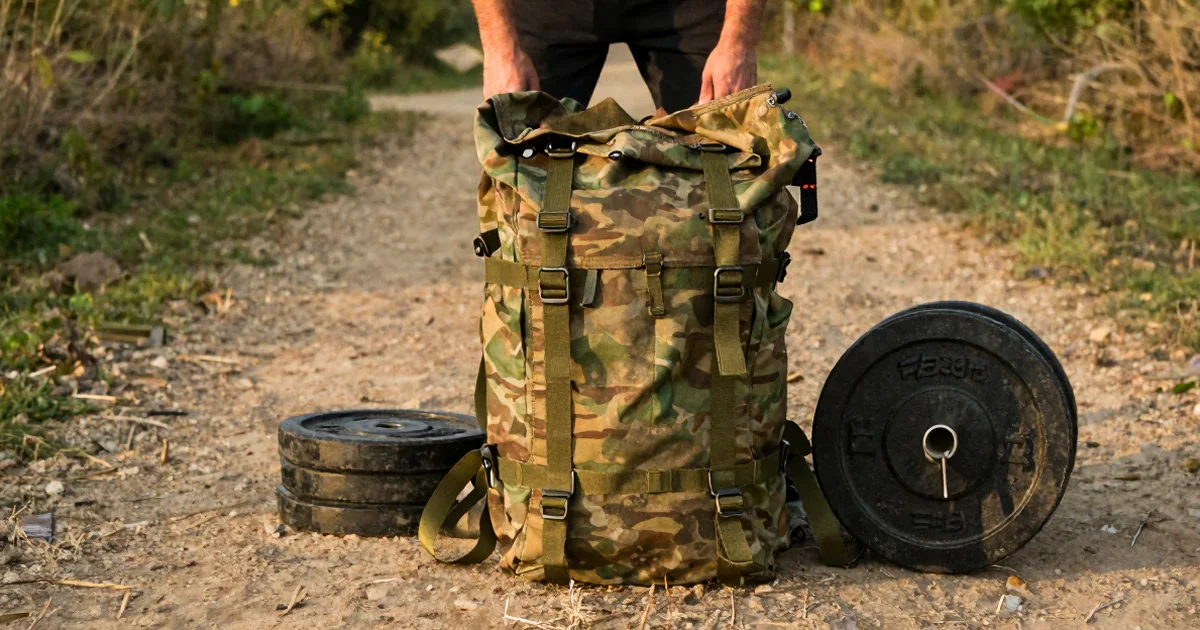
Rucking is simply walking with added weight on your back. The concept comes from military training, where soldiers march long distances carrying heavy packs. In civilian fitness, rucking typically means loading a backpack with 5-15 kg and walking at a steady pace for 30-60 minutes.
The added load forces your body to recruit more muscle fibers than regular walking. Your legs, core, back, and shoulders all work harder to stabilize and propel you forward. A study published in the Journal of Strength and Conditioning Research found that walking with a weighted pack increases caloric expenditure by 2-3 times compared to unloaded walking at the same pace. That means a 45-minute ruck can burn roughly the same calories as a 45-minute jog - without the impact stress on your knees and ankles.
Unlike running, rucking is low-impact by nature. Your feet stay closer to the ground, and the added weight encourages a controlled, deliberate gait. This makes it particularly appealing for people recovering from joint injuries or those who find running uncomfortable.
Why Rucking Is Trending - Especially Among Women
Rucking has seen a notable surge in popularity over the past two years, with particular growth among women interested in bone density and longevity. The reason is straightforward - weight-bearing exercise is one of the most effective ways to stimulate bone growth, and rucking delivers that stimulus without requiring gym equipment or complex movements.
Research from the National Osteoporosis Foundation highlights that load-bearing activities increase bone mineral density, especially in the spine and hips. For women approaching or past menopause - when bone density naturally declines - rucking offers an accessible way to apply meaningful skeletal load during an activity most people already do.
Beyond bone health, rucking improves cardiovascular fitness, posture, and mental resilience. Walking outdoors with added resistance combines the mood-boosting effects of nature exposure with genuine physical challenge. Several longevity researchers have pointed to zone 2 cardio with resistance as an ideal combination for healthspan - and rucking fits that description precisely.
How to Start Rucking Safely
The most common beginner mistake is starting too heavy. Your body needs time to adapt to carrying load over distance, and jumping in with too much weight invites back strain and blisters.
Here is a practical starting framework:
- Week 1-2: 4-5 kg for 20-30 minutes, flat terrain
- Week 3-4: 7-8 kg for 30-40 minutes, gentle inclines
- Week 5-8: 9-11 kg for 40-60 minutes, mixed terrain
- Beyond week 8: Progress to 12-15 kg based on comfort
A general guideline is to keep your ruck weight at or below 15-20% of your body weight. For someone weighing 70 kg, that means capping at roughly 10-14 kg. Start well below that threshold and increase gradually.
Proper pack positioning matters more than most beginners realize. The weight should sit high on your back, close to your shoulder blades - not sagging toward your lower back. Tighten the shoulder straps and use a hip belt if available. Walk with an upright posture, engaging your core rather than leaning forward.
Choosing the Right Gear
You do not need specialized equipment to start rucking. A sturdy backpack and some heavy books or bags of rice will work for your first few sessions. However, dedicated rucking gear does make the experience more comfortable and safer for regular training.
Three popular options at different price points:
GORUCK Rucker 4.0 (20L) - around $265. The gold standard for dedicated rucking packs. Built with military-grade materials, a padded hip belt, and a dedicated plate pocket that keeps weight locked against your back. It is an investment, but the durability is exceptional.
Hyperwear Soft Rucking Plates - around $50-70 per pair. These flexible weighted inserts conform to your back better than rigid steel plates. They fit inside most backpacks and come in various weights. A practical choice if you already have a backpack you like.
Polyfit Rucking Backpack 2.0 - around $60-80. A solid budget option designed specifically for rucking. It includes a plate pocket, comfortable padding, and good weight distribution at a fraction of the GORUCK price. A sensible starting point if you want rucking-specific gear without committing to a premium pack.
Progressive Loading and Long-Term Training
Rucking follows the same progressive overload principles as any strength training. Once a given weight and distance feel comfortable, you have three options for progression:
- Add weight - increase by 1-2 kg at a time
- Add distance - extend your route by 10-15 minutes
- Add terrain - introduce hills or uneven surfaces
Only change one variable at a time. Adding weight while also increasing distance is a reliable path to overuse injuries. Most experienced ruckers train 2-3 times per week, with at least one rest day between sessions.
For long-term programming, consider alternating between heavier short rucks (12-15 kg for 30 minutes) and lighter long rucks (7-9 kg for 60+ minutes). This variety trains both muscular endurance and cardiovascular capacity.
Tracking your pace adds another dimension. A solid benchmark is maintaining 6-7 km/h with a loaded pack. If you find yourself slowing significantly below your unloaded walking pace, the weight may be too heavy for your current fitness level.
Common Mistakes to Avoid
Beyond starting too heavy, watch for these pitfalls:
- Wearing running shoes. Rucking benefits from stiffer soles that provide stable footing under load. Trail shoes or hiking boots work better than cushioned runners.
- Ignoring hotspots. Blisters develop fast under load. Wear moisture-wicking socks and address any rubbing immediately.
- Skipping the warm-up. Walk unloaded for the first 5 minutes to let your joints warm up before adding the pack.
- Poor hydration. You will sweat more than during a regular walk. Bring water, especially on rucks longer than 30 minutes.
Rucking is one of the most accessible and joint-friendly ways to build functional strength, improve cardiovascular health, and support bone density - all without stepping inside a gym. The barrier to entry is genuinely low, and the long-term benefits are well-supported by research.
This content is for educational purposes only and not medical advice. Consult healthcare professionals before starting new health or fitness programs.
TopicNest
Contributing writer at TopicNest covering health and related topics. Passionate about making complex subjects accessible to everyone.