Table of Contents
Bedroom environment directly impacts sleep quality and mental health. Research shows sleep hygiene, including environmental optimization, enhances sleep quality and improves mental abilities among insomnia patients.
Understanding evidence-based parameters helps create optimal sleep spaces.
Why Bedroom Environment Matters
Sleep quality affects everything from mood regulation to stress resilience. Poor sleep exacerbates anxiety and depression, while quality rest supports mental health recovery.
A 2026 review emphasized Sleep Awareness Week's message: quality rest proves critical for physical and mental health, with sleep-related issues including depression, anxiety, and PTSD responding well to sleep optimization.
Good sleep serves as prerequisite for wellbeing and optimal cognitive performance. Disturbed sleep links to cardiovascular diseases, cancer, and other adverse health outcomes.
Temperature: The Foundation
Temperature significantly affects sleep quality. Research shows a 1°C rise in air temperature associates with approximately 0.16% reduction in sleep efficiency.
Optimal ranges:
- 18-21°C (65-68°F) for most adults
- 17-28°C acceptable range at 40-60% relative humidity
- Individual preferences vary by 2-3 degrees
Core body temperature must drop for sleep initiation. Cooler rooms facilitate this process. Many people sleep in rooms 2-5 degrees too warm.
Cooler sleep environments improve deep sleep stages and reduce night wakings. If you wake feeling unrested despite adequate hours, temperature often explains the issue.
Lighting: Darkness Matters
Light exposure suppresses melatonin production. Even small amounts of ambient light disrupt sleep architecture.
Evidence-based recommendations:
Complete darkness ideal: Studies recommend eliminating all ambient light exposure for deep restorative sleep.
Blackout curtains: The NICETOWN Pitch Black Thermal Insulated Curtains block 99% of light while providing temperature regulation. Thermal insulation also supports optimal room temperature.
For larger windows, the H.VERSAILTEX Blackout Curtains offer wider coverage with similar light-blocking properties.
Red wavelength night lights: If light necessary for safety, red wavelengths minimize melatonin suppression compared to blue or white light.
Digital devices: Remove phones, tablets, and illuminated clocks or use airplane mode. Blue light from screens particularly disrupts circadian rhythms.
Air Quality and Ventilation
Poor air quality measurably reduces sleep quality. Recent research reveals specific parameters:
CO2 concentration:
- Keep below 1,000 ppm (preferably under 800 ppm)
- Each 100 ppm increase associates with 0.29% sleep quality decline
- Poor ventilation allows CO2 buildup during sleep
Humidity:
- Optimal range: 40-60%
- 1% rise above optimal correlates with 0.1% sleep quality reduction
- Too dry irritates airways; too humid promotes mold
Particulates (PM2.5):
- High levels correlate with reduced sleep efficiency
- More awakenings and lower perceived quality
- Air filtration addresses this concern
Solutions:
- Open windows when outdoor air quality permits
- Use HEPA air purifiers in polluted areas
- Maintain humidity with humidifiers or dehumidifiers
- Clean bedding weekly to reduce dust and allergens
Sound Environment
Noise disrupts sleep even when you don't consciously wake. Research recommends reducing all bedroom sounds below 35 decibels.
Strategies:
White noise machines: Mask disruptive sounds. The CHICWAY 2026 Sound Machine offers 18 sounds with AI-powered adjustments and Bluetooth connectivity for personalized soundscapes.
For simpler options, the Magicteam White Noise Machine provides 20 non-looping sounds with 32 volume levels.
Earplugs: Block unpredictable noises like traffic or neighbors. Choose comfortable foam or silicone options.
Soundproofing: Weather stripping on doors, heavy curtains, and area rugs absorb sound.
Aromatherapy and Scent
Research on sleep-stimulating environments highlights nice scents as part of optimal conditions.
Evidence-based scents:
Lavender: Most studied sleep-promoting scent. Multiple trials show reduced sleep onset latency and improved quality.
Sandalwood: Promotes relaxation through olfactory pathway effects on limbic system.
Chamomile: Gentle sedative properties support parasympathetic activation.
The 4-Pack Scented Candles with 8% Essential Oils provides relaxing scents for evening wind-down routines. Use 30-60 minutes before sleep, then extinguish before sleeping.
Alternatively, the ASAKUKI 500ml Ultrasonic Diffuser offers flameless aromatherapy with automatic shut-off for overnight use.
Lighting Beyond Darkness
Ambient lighting quality during evening hours affects sleep onset.
Optimize pre-sleep lighting:
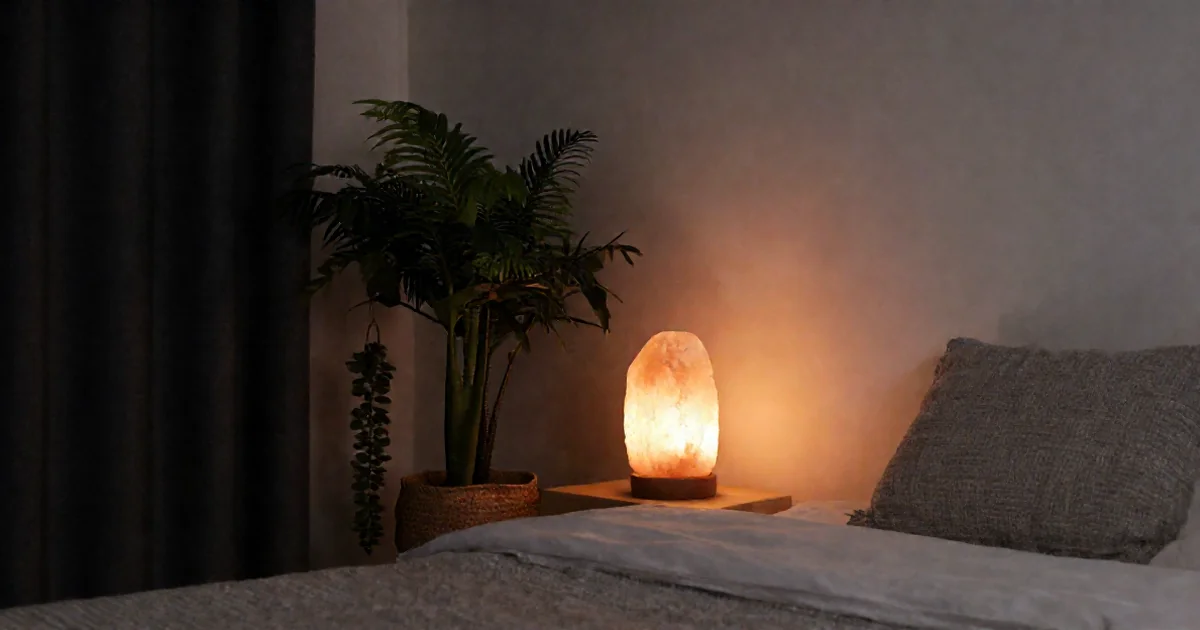
Himalayan salt lamps: Provide warm, dim light suitable for evening activities. The ArtNaturals Himalayan Rock Salt Lamp offers adjustable brightness for reading or relaxing before bed.
Warm LED bulbs: Choose 2700K or lower color temperature. Higher temperatures (cooler, bluer light) suppress melatonin.
Dimmers: Install dimmer switches for gradual light reduction as evening progresses.
Light exposure patterns matter as much as sleep-time darkness. Bright light during day and dimming at night supports healthy circadian rhythms.
Bedding and Comfort
Physical comfort affects sleep quality. Temperature-regulating bedding supports optimal sleep environment.
Considerations:
Temperature regulation: The Degrees of Comfort Coolmax Cooling Sheets wick moisture and dissipate heat, preventing night sweats and overheating.
Mattress quality: Replace every 7-10 years. Supportive yet comfortable mattresses reduce pain and sleep disruptions.
Pillow support: Proper neck alignment prevents pain that interrupts sleep.
Deep Pressure for Sleep
Weighted blankets enhance sleep through parasympathetic nervous system activation.
The Luna Adult Weighted Blanket 15 lbs provides gentle pressure that reduces cortisol while increasing serotonin and dopamine, facilitating sleep onset.
For those who sleep hot, the Luna Cooling Weighted Blanket offers the same benefits without heat retention.
Digital Detox
Screen use before bed disrupts sleep through multiple mechanisms:
- Blue light suppresses melatonin
- Content stimulates rather than relaxes
- Notifications interrupt wind-down
Implement:
- 60-minute screen-free buffer before sleep
- Charge devices outside bedroom
- Use blue light filters if screens unavoidable
- Replace scrolling with reading physical books
Many people report improved sleep within days of removing bedroom screens.
Creating Wind-Down Rituals
Environment optimization works best within consistent routines.
Sample sanctuary ritual:
60 minutes before bed:
- Dim lights throughout home
- Set comfortable temperature (18-20°C)
- Light aromatherapy candles
- Turn on white noise machine
30 minutes before bed:
- Close blackout curtains
- Extinguish candles
- Engage calm activities (reading, journaling, meditation)
- Use weighted blanket during relaxation
At bedtime:
- Complete darkness
- Optimal temperature
- White noise continues
- All screens removed
Consistency trains your nervous system to expect sleep.
Budget-Friendly Optimization
Not all improvements require significant investment:
Free changes:
- Remove screens from bedroom
- Open windows for ventilation
- Darken room with existing materials
- Maintain consistent sleep schedule
- Keep room clutter-free
Low-cost improvements:
- Blackout curtains (25-35 euros)
- White noise machine or free app (0-35 euros)
- Salt lamp (25 euros)
- Better pillow (20-50 euros)
Investment pieces:
- Quality mattress (300-1000 euros)
- Weighted blanket (60-120 euros)
- Air purifier (100-300 euros)
Start with free changes. Add affordable improvements as budget allows.
When Sleep Problems Persist
Environmental optimization significantly improves sleep but doesn't solve all issues. Seek professional help if:
- Sleep problems continue despite 6+ weeks of optimization
- You experience daytime impairment
- Sleep disturbances worsen
- You suspect sleep disorders (apnea, restless legs)
- Mental health symptoms persist
Cognitive behavioral therapy for insomnia (CBT-I) effectively treats sleep-related mental health challenges including depression, anxiety, and PTSD.
The Evidence in Context
Research consistently demonstrates bedroom environment affects sleep quality through measurable pathways. Temperature, air quality, lighting, and sound all show dose-response relationships with sleep metrics.
Key findings:
- Temperature control most impactful single factor
- Darkness essential for melatonin production
- Air quality affects sleep efficiency measurably
- Sound below 35 dB supports uninterrupted sleep
- Combined optimization produces additive benefits
Creating a sleep sanctuary requires attention to multiple environmental factors. While perfect conditions aren't always achievable, incremental improvements produce meaningful results. Combined with consistent sleep schedules and stress management, optimized bedroom environments support both sleep quality and mental health.
Medical Disclaimer: This content is for educational purposes only and not medical advice. Consult healthcare professionals before starting new health or fitness programs. If experiencing persistent sleep problems or suspected sleep disorders, seek professional evaluation.
Sources:
TopicNest
Contributing writer at TopicNest covering health and related topics. Passionate about making complex subjects accessible to everyone.