Table of Contents
The global supplement market exceeded $140 billion in 2025, with fitness-related products representing substantial portion. Marketing often outpaces science - supplements promising dramatic transformations typically deliver minimal effects. Understanding which supplements demonstrate actual efficacy versus marketing hype helps allocate limited budgets toward interventions that work.
Research distinguishes between supplements showing consistent benefits across multiple high-quality studies versus those with weak, conflicting, or industry-funded evidence. This guide focuses on supplements meeting rigorous scientific standards for effectiveness and safety.
Creatine Monohydrate: Most Researched Supplement
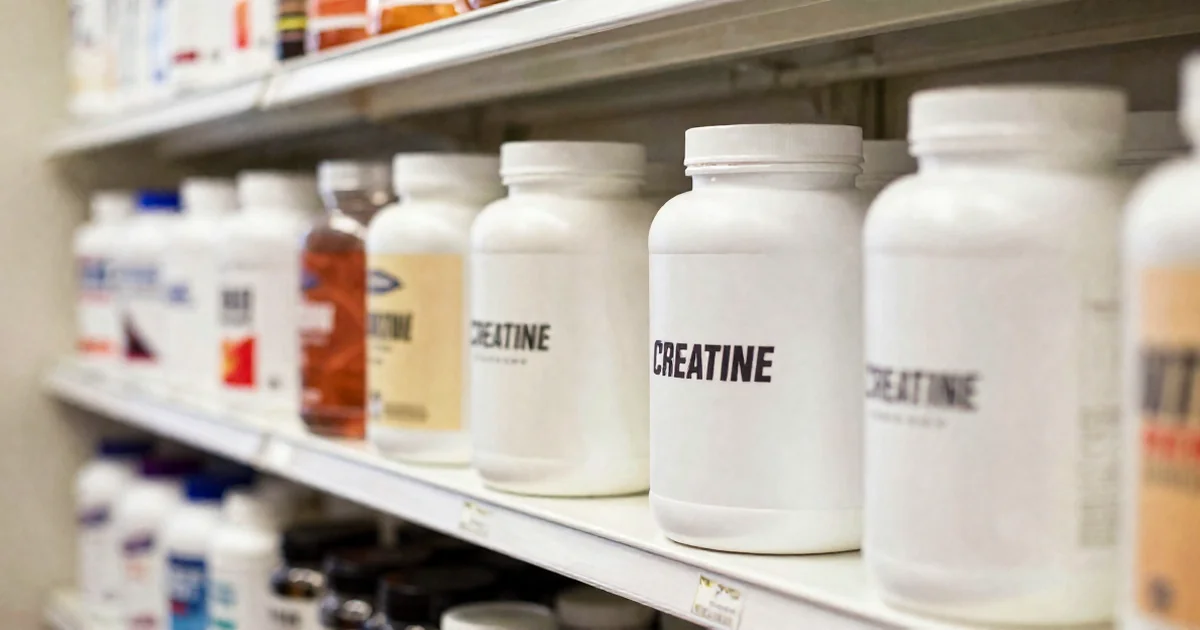
Creatine represents the most thoroughly studied fitness supplement, with over 500 research papers documenting effects, safety, and mechanisms. The consensus proves remarkably consistent - creatine supplementation enhances strength, power output, and muscle mass during resistance training.
Mechanisms and Effects
Creatine increases phosphocreatine stores in muscles, enabling faster ATP regeneration during high-intensity efforts. This translates to 5-15% improvements in maximal strength and power output, particularly during activities lasting 30 seconds or less.
A 2023 meta-analysis in the Journal of the International Society of Sports Nutrition examined 113 studies involving over 5,000 participants. Creatine supplementation produced average strength gains 8% greater than placebo during resistance training programs. Effects proved consistent across age groups, training experience levels, and both sexes.
Beyond strength, creatine demonstrates cognitive benefits. A 2022 study in Neuropsychology found creatine supplementation improved memory and processing speed, particularly during sleep deprivation or mental fatigue. The brain uses phosphocreatine similarly to muscles, suggesting mechanisms extend beyond athletic performance.
Dosing Protocol
Standard dosing involves two approaches:
Loading phase (optional): 20-25g daily split into 4-5 doses for 5-7 days, then 3-5g daily maintenance.
Direct maintenance: 3-5g daily without loading phase. This achieves similar saturation after 3-4 weeks without potential digestive discomfort from loading.
Research shows no additional benefits above 5g daily maintenance dose. Higher amounts get excreted rather than stored.
Micronized creatine monohydrate dissolves better than standard forms, reducing clumping. Optimum Nutrition and NutraBio offer third-party tested products at reasonable prices. Budget options like It's Just! Creatine provide pure monohydrate without brand markup.
Safety Considerations
Decades of research confirm creatine safety for healthy individuals. Early concerns about kidney damage proved unfounded - studies find no adverse effects on kidney function at standard doses. Temporary water retention (1-2kg) occurs during loading but stabilizes during maintenance.
People with existing kidney disease should consult physicians before supplementing. Proper hydration supports optimal effects and prevents potential cramping.
Protein Supplementation: Convenience vs. Necessity
Protein powder provides convenient protein delivery but offers no physiological advantages over whole food sources. The question involves practicality rather than efficacy - protein supplements help meet daily protein targets when whole foods prove inconvenient.
Protein Requirements and Timing
Resistance training increases protein requirements to approximately 1.6-2.2g per kg bodyweight daily for muscle growth. A 75kg person needs 120-165g protein daily - achievable through food but requiring deliberate meal planning.
Protein timing shows minimal impact on outcomes. The "anabolic window" concept requiring immediate post-workout protein consumption lacks strong evidence. Total daily protein intake matters far more than specific timing. A 2023 systematic review in the Journal of the International Society of Sports Nutrition found no significant differences between immediate versus delayed post-workout protein consumption.
Whey vs. Plant-Based Proteins
Whey protein offers complete amino acid profiles, rapid absorption, and high leucine content triggering muscle protein synthesis. Optimum Nutrition Gold Standard Whey remains industry benchmark - third-party tested and extensively researched. Grass-fed options like Legion Whey+ provide natural sourcing for those preferring minimal processing.
Whey isolate removes most lactose, benefiting lactose-intolerant individuals. Concentrate retains lactose but costs less. Both deliver equivalent muscle-building effects.
Plant-based proteins suit vegans, vegetarians, and those avoiding dairy. Single-source plant proteins (pea, rice, hemp) typically lack complete amino acid profiles. Blended formulas combining multiple sources solve this limitation. Alaya Naturals and PEScience Select Vegan provide complete amino acid profiles through pea, rice, and hemp combinations.
Research shows no significant muscle-building differences between whey and properly formulated plant proteins when total daily protein and leucine content match. Taste and digestibility favor personal preference.
Quality Considerations
Third-party testing verifies label accuracy and screens banned substances. Look for NSF Certified for Sport, Informed-Choice, or BSCG certification. These programs test products independently, confirming stated protein content and absence of contaminants.
Amino acid spiking - adding cheap amino acids to inflate protein numbers - occurs in low-quality products. Third-party testing prevents this deception.
Berberine: Emerging Metabolic Support
Berberine, a plant alkaloid from various herbs, demonstrates metabolic effects comparable to prescription medications in some studies. While not traditionally considered a "fitness" supplement, berberine's metabolic and body composition effects warrant attention.
Mechanisms and Effects
Berberine activates AMPK (AMP-activated protein kinase) - a cellular energy sensor influencing metabolism, insulin sensitivity, and fat oxidation. This mechanism resembles metformin, a diabetes medication.
A 2021 meta-analysis in Obesity Reviews examined 28 randomized controlled trials. Berberine supplementation reduced body weight by average 2.3kg more than placebo over 8-12 weeks while improving insulin sensitivity and lipid profiles. Effects proved most pronounced in individuals with metabolic dysfunction or prediabetes.
Berberine improves glucose disposal and reduces blood sugar spikes after meals. This proves particularly valuable for people with insulin resistance or type 2 diabetes pursuing fat loss.
Dosing and Timing
Research supports 1,000-1,500mg daily split into 2-3 doses with meals. Taking berberine with food improves absorption and reduces potential digestive discomfort.
Clinical-grade berberine like DOCTORS' PREFERRED provides research-matched dosing (1500mg daily). Nature's Bounty offers established brand quality at lower concentrations (1000mg), suitable for conservative starting doses.
Cautions
Berberine interacts with various medications, particularly diabetes drugs, blood pressure medications, and blood thinners. Medical consultation proves essential for anyone taking prescription medications. Pregnant or nursing women should avoid berberine due to limited safety data.
Digestive side effects (gas, cramping, diarrhea) occur in some users, typically resolving after 1-2 weeks or with dose reduction.
Vitamin D: Widespread Deficiency
Vitamin D deficiency affects 40-50% of populations in temperate climates, particularly during winter months. Deficiency impairs muscle function, bone health, immune function, and mood regulation.
Performance and Health Effects
Adequate vitamin D status correlates with improved strength, power output, and muscle protein synthesis. A 2019 meta-analysis in Medicine & Science in Sports & Exercise found vitamin D supplementation improved muscle strength by 5-10% in deficient individuals. No benefits emerged in people with adequate baseline levels.
Vitamin D supports testosterone production, bone density, immune function, and cardiovascular health. Winter supplementation proves particularly important in northern latitudes where sun exposure becomes insufficient for synthesis.
Dosing Recommendations
Blood testing determines individual needs, but general recommendations suggest 2,000-4,000 IU daily for maintenance in adults. Deficient individuals may require higher doses (5,000+ IU) temporarily under medical supervision.
High-potency D3 like Nature Made 5000 IU provides correction dosing in convenient softgels. D3 (cholecalciferol) absorbs better than D2 (ergocalciferol).
Taking vitamin D with fat-containing meals improves absorption since it's fat-soluble. Morning dosing may improve sleep quality compared to evening supplementation.
Omega-3 Fatty Acids: Anti-Inflammatory Effects
Omega-3s (EPA and DHA) from fish oil demonstrate anti-inflammatory effects benefiting cardiovascular health, brain function, and potentially muscle recovery.
Research on Performance
Direct performance enhancement from omega-3s proves minimal. However, anti-inflammatory effects may support recovery and reduce muscle soreness. A 2022 study in the Journal of the International Society of Sports Nutrition found omega-3 supplementation (2.4g EPA+DHA daily) reduced delayed onset muscle soreness by 20-25% following intense training.
Cardiovascular benefits prove more substantial. Meta-analyses consistently show omega-3 supplementation reduces triglycerides, improves arterial function, and may reduce cardiac event risk.
Quality and Dosing
Look for products listing specific EPA and DHA content rather than total fish oil weight. Effective doses provide 1,000-2,000mg combined EPA+DHA daily.
Third-party tested fish oil like Nordic Naturals undergoes rigorous quality control, ensuring purity and accurate labeling. Cheaper products sometimes contain oxidized (rancid) fish oil with minimal EPA/DHA.
Refrigerate fish oil to prevent oxidation. Take with meals to improve absorption and reduce fishy aftertaste.
Magnesium: Widespread Insufficiency
Magnesium participates in 300+ enzymatic reactions, including energy production, protein synthesis, and muscle function. Insufficient intake (common in Western diets) impairs performance and recovery.
Performance and Sleep Effects
Magnesium deficiency reduces exercise capacity and increases oxygen consumption during submaximal effort. Supplementation in deficient individuals improves performance metrics while reducing cramping and muscle tension.
Magnesium supports sleep quality through GABA receptor activity. Evening supplementation may improve sleep onset and depth, indirectly benefiting recovery.
Forms and Dosing
Magnesium absorption varies dramatically by form. Magnesium oxide - common in cheap supplements - absorbs poorly. Chelated forms (glycinate, citrate, malate) provide superior bioavailability.
Combination formulas like BioEmblem Triple Magnesium include glycinate (calming), malate (energy), and citrate (bowel tolerance) - addressing multiple needs.
Dosing 200-400mg elemental magnesium daily proves safe for most adults. Higher doses may cause digestive upset, particularly with citrate forms. Starting lower and increasing gradually prevents this issue.
Supplements With Weak or Conflicting Evidence
Several heavily marketed supplements lack strong research support despite popularity.
BCAAs (Branched-Chain Amino Acids)
BCAAs provide amino acids found abundantly in protein foods. Research shows no advantage over equivalent protein from food or whey. A 2023 meta-analysis in Nutrients found BCAA supplementation offered no additional muscle-building benefits when total protein intake proved adequate.
Whey protein contains 20-25% BCAAs naturally plus other essential amino acids. Isolated BCAAs cost more while delivering less.
Testosterone Boosters
Supplements claiming testosterone enhancement rarely demonstrate meaningful effects in healthy individuals. Ingredients like D-aspartic acid, fenugreek, and Tribulus showed no consistent testosterone increases in systematic reviews.
Actual testosterone deficiency requires medical treatment, not supplements. Natural testosterone optimization involves adequate sleep, resistance training, healthy body composition, and stress management - not pills.
Fat Burners
Thermogenic supplements containing caffeine, green tea extract, and other stimulants may increase energy expenditure by 50-100 calories daily - minimal compared to dietary and exercise interventions. Most "fat burning" ingredients lack human research supporting effectiveness.
Caffeine alone provides the primary benefit at fraction of proprietary blend costs. The stimulant dosages in fat burners often cause jitteriness, sleep disruption, and cardiovascular stress without proportional fat loss.
Building Effective Supplement Stacks
Cost-effective supplementation prioritizes proven interventions over marketing hype.
Budget Stack ($30-40/month)
- Creatine monohydrate: $11
- Vitamin D3: $15
- Magnesium: $12
Total: ~$38/month
This minimal stack addresses the most common deficiencies and provides creatine's performance benefits.
Performance Stack ($60-80/month)
- Budget stack foundation: $38
- Whey protein: $30
- Fish oil: $20
Total: ~$88/month
Adds convenient protein and anti-inflammatory support.
Metabolic Stack ($80-100/month)
- Performance stack foundation: $88
- Berberine: $20
Total: ~$108/month
Includes metabolic support for insulin sensitivity and glucose management.
Safety and Quality Verification
Supplement industry regulation proves minimal compared to pharmaceuticals. Third-party testing provides consumer protection against contamination, mislabeling, and banned substances.
Look for:
- NSF Certified for Sport
- Informed-Choice
- USP Verified
- BSCG Certified
These programs test actual products from store shelves, verifying label accuracy and screening hundreds of banned substances.
Avoid proprietary blends hiding individual ingredient amounts. Transparent labeling indicates manufacturer confidence in formulation.
Realistic Expectations
Supplements provide marginal gains - typically 5-15% improvements in specific metrics when diet and training optimize. No supplement compensates for poor nutrition, inadequate sleep, or inconsistent training.
The effectiveness hierarchy remains:
- Total daily protein (most important)
- Total calorie intake relative to goals
- Consistent progressive training
- Adequate sleep (7-9 hours)
- Micronutrient-rich whole foods
- Supplements (marginal benefit)
Marketing often inverts this hierarchy, suggesting supplements drive results. Reality proves opposite - supplements enhance already-solid foundations but can't replace them.
Creatine, protein powder, vitamin D, and magnesium provide reliable benefits backed by extensive research. Most other supplements offer minimal effects or lack sufficient evidence. Allocating supplement budgets toward proven interventions while ignoring marketing hype produces better outcomes at lower costs.
This content is for educational purposes only and not medical advice. Consult healthcare professionals before starting new supplement regimens.
TopicNest
Contributing writer at TopicNest covering health and related topics. Passionate about making complex subjects accessible to everyone.