Table of Contents
Yoga Equipment Guide - What You Actually Need
Starting a yoga practice raises an immediate question: what equipment do you actually need? The yoga industry markets countless products, but research on beginner retention suggests that starting simple increases adherence to the practice.
The One Essential: Your Yoga Mat
A yoga mat is the single non-negotiable piece of equipment. Studies examining injury prevention in yoga practitioners show that proper cushioning and grip significantly reduce slip-related incidents, particularly in weight-bearing poses.
Mat Thickness Considerations
Standard yoga mats range from 3mm to 6mm thick. Research on joint loading during yoga indicates that 4-6mm provides adequate cushioning for most practitioners without compromising stability. Thinner mats (3mm) suit experienced practitioners who prioritize ground connection, while thicker options (6mm+) benefit those with sensitive joints.
Material Matters
PVC mats offer durability and grip at lower price points. Natural rubber provides excellent traction but may trigger latex allergies. TPE (thermoplastic elastomer) represents a middle ground - eco-friendlier than PVC while maintaining good grip characteristics.
Texture affects performance. Studies on hand and foot slip during downward dog show that mats with subtle texture patterns provide better grip than completely smooth surfaces, particularly as moisture increases.
Size and Portability
Standard mats measure 173cm x 61cm. Taller practitioners (over 183cm) benefit from extended-length mats. Weight matters for transport - mats under 1.4kg suit those who carry equipment to classes, while heavier mats (2-3kg) work well for home practice.
Helpful Props That Enhance Practice
Yoga Blocks
Blocks effectively bring the floor closer to you. Biomechanical studies of yoga postures show that blocks allow proper alignment in poses that flexibility limitations would otherwise compromise.
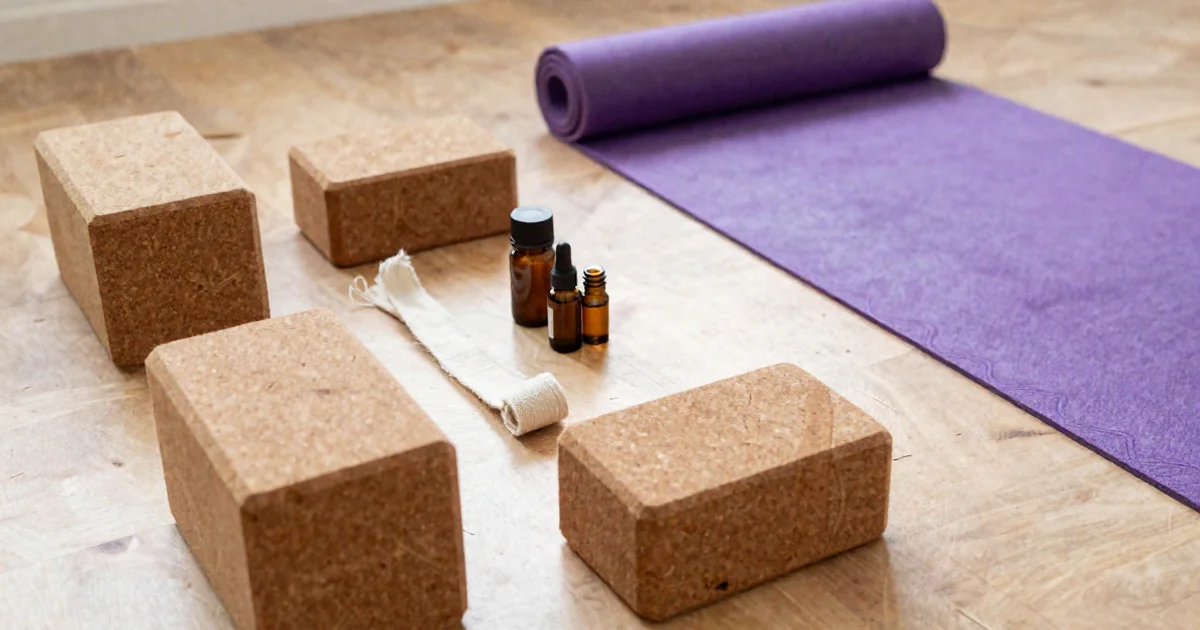
Standard blocks measure 23cm x 15cm x 10cm. Cork blocks offer stability and eco-credentials. Foam blocks cost less and weigh approximately 150g compared to cork's 900g. For most practitioners, two blocks provide maximum versatility.
Yoga Straps
Straps extend your reach in poses involving forward folds or shoulder flexibility. Physical therapy research indicates that using props to achieve proper alignment produces better long-term flexibility gains than forcing positions the body isn't ready for.
Standard straps measure 183-244cm long and 3.8cm wide. Cotton straps feel comfortable but stretch slightly over time. Nylon options maintain consistent length but may feel less pleasant against skin. D-ring closures allow easy adjustment compared to cinch buckles.
Bolsters
Bolsters support restorative and yin yoga practices. Studies on parasympathetic nervous system activation during supported poses show that proper bolster use enhances relaxation responses.
Rectangular bolsters (66cm x 30cm x 15cm) offer versatility. Round bolsters (66cm long, 23cm diameter) work specifically well for certain backbends and side-lying positions. Fill weight ranges from 2-4kg - heavier bolsters provide more stable support.
Optional Equipment Worth Considering
Yoga Wheels
Wheels (diameter 30-33cm) assist with backbends and myofascial release. Research on spinal extension exercises suggests wheels can help develop thoracic mobility when used progressively. However, they serve specialized purposes rather than everyday practice needs.
Blankets
Standard yoga blankets measure approximately 152cm x 203cm. They provide cushioning in seated poses, warmth during final relaxation, and height in positions requiring hip elevation. While beneficial, regular blankets from home serve these purposes equally well initially.
Yoga Towels
Microfiber yoga towels (matching mat dimensions) address sweat during vigorous practices. Studies on grip coefficient show that specialized yoga towels actually increase traction when wet, unlike regular towels. Hot yoga practitioners find these valuable, while gentler practice styles rarely require them.
What Beginners Can Skip
Specialized Clothing
Research on exercise adherence shows that perceived barriers (including feeling you need special clothing) reduce participation. Comfortable fitted clothing you already own works perfectly well. Save specialty yoga wear until you're certain about your practice commitment.
Mat Cleaners and Sprays
Basic soap and water clean mats effectively. Studies on bacterial growth on yoga mats show that regular washing with mild detergent controls microbial buildup adequately without specialized products.
Eye Pillows and Meditation Cushions
While these enhance comfort during relaxation, folded blankets or regular pillows provide similar benefits initially. Consider these once you've established a consistent practice and identified specific comfort needs.
Toe Separators and Alignment Markers
These ultra-specialized items address particular issues. Most practitioners never need them. Focus on fundamental equipment first.
Budget vs Premium Options
Price ranges vary dramatically in yoga equipment. Research on consumer behavior in fitness equipment purchases shows that mid-range options (30-40% below premium pricing) typically offer 80-90% of the performance characteristics.
When to Invest More
Mat quality justifies higher investment if you practice frequently (4+ times weekly). Premium mats (60-90 euros) typically last 3-5 years with regular use, while budget options (15-25 euros) may need replacement annually.
For props, mid-range pricing usually represents the best value. The functional difference between a 12-euro foam block and a 25-euro cork block matters less than the difference between a 20-euro mat and a 70-euro mat.
When Budget Options Work Fine
Straps show minimal performance variation across price points. A 8-euro cotton strap functions identically to a 20-euro premium version for most purposes.
Initial purchases benefit from budget-conscious choices. You'll discover your specific needs through practice - which poses challenge you, whether you prefer home or studio practice, which prop types you actually use.
Making Your First Purchase
For absolute beginners, research on exercise program adherence suggests starting with minimal equipment reduces perceived barriers. A quality mat (40-60 euros) plus two blocks (20-30 euros total) provides everything needed for several months of exploration.
Many studios provide props for class use, allowing you to test different options before purchasing. This trial period helps identify which props genuinely enhance your practice versus which seemed useful in theory.
As your practice develops, you'll naturally recognize what additional equipment serves your specific needs. This gradual approach prevents accumulating unused items while ensuring you have what actually matters for your practice.
Disclaimer: This content is for educational purposes only and not medical advice. Consult healthcare professionals before starting new health or fitness programs.
Explore more evidence-based health strategies at TopicNest Health.
TopicNest
Contributing writer at TopicNest covering health and related topics. Passionate about making complex subjects accessible to everyone.