Table of Contents
Yoga intimidates beginners through perceived flexibility requirements and unfamiliar terminology. The reality proves simpler - yoga meets you where you are. Tight hamstrings, stiff hips, and limited mobility don't prevent starting yoga; they provide exactly why yoga helps.
This 7-day introduction builds fundamental skills through short daily practices. Each session requires 10-15 minutes and minimal equipment. By day 7, you'll understand basic poses, breathing patterns, and how yoga feels in your body.
What Beginners Actually Need
Yoga marketing promotes expensive mats, props, and specialized clothing. Beginners need far less.
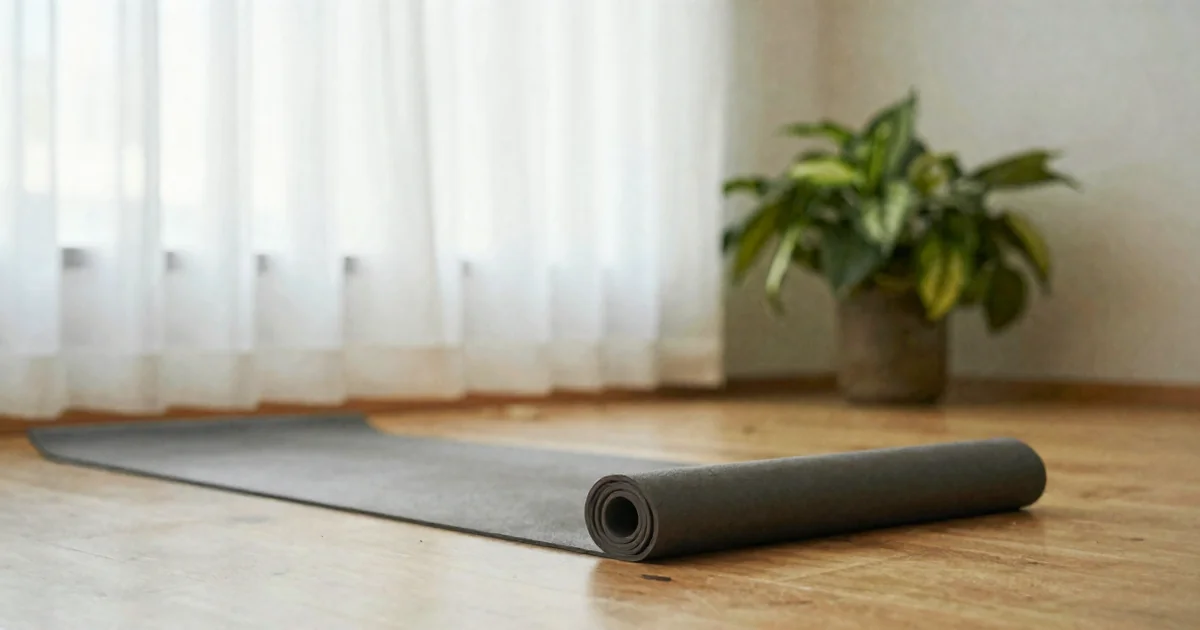
Essential: Yoga mat providing cushioning and grip. Budget options like BalanceFrom mats ($30-45) work perfectly for learning basic poses. Premium mats like Manduka PRO ($120-160) offer durability for serious practitioners but aren't necessary initially.
Helpful: Yoga blocks bring the floor closer when flexibility limits reach. The YOGU 2-block set ($15-25) enables proper alignment in poses requiring floor contact.
Optional: Yoga strap extends reach in seated forward folds. YogaAccessories straps ($12-18) work well, but a belt or towel substitutes effectively.
Beginners often benefit from complete starter sets like BalanceFrom's 7-piece kit ($45-65) including mat, blocks, strap, and towels - everything needed without researching individual items.
Day 1-2: Breathing and Seated Poses
Yoga begins with breath awareness. Most people breathe shallowly into the chest; yoga emphasizes deeper belly breathing activating the diaphragm.
Diaphragmatic Breathing (5 minutes)
Sit comfortably on mat or meditation cushion. Place one hand on chest, one on belly. Inhale slowly through nose, expanding belly while chest remains relatively still. Exhale completely, belly draws inward. Practice 10-15 rounds.
This breathing pattern activates the parasympathetic nervous system, reducing stress response. Research in Frontiers in Psychology (2018) found 10 minutes of slow diaphragmatic breathing significantly reduced cortisol levels and improved attention.
Easy Pose (Sukhasana) - 2 minutes
Sit cross-legged with hands on knees. Lengthen spine, relax shoulders. If hips feel tight, sit on folded blanket or yoga block elevating hips above knees. This reduces hip strain enabling comfortable sitting.
Seated Side Stretch - 3 minutes
From easy pose, place right hand on floor beside right hip. Reach left arm overhead, leaning gently right. Hold 5 breaths. Return to center. Repeat left side. Stretches intercostal muscles between ribs, improving breathing capacity.
Cat-Cow Pose - 3 minutes
Move to hands and knees (tabletop position). Inhale, drop belly toward floor, lift chest and tailbone (cow). Exhale, round spine toward ceiling, tuck chin and tailbone (cat). Flow between positions for 10 rounds, synchronizing movement with breath.
This gentle spinal movement lubricates vertebrae and teaches breath-movement coordination - fundamental skill in yoga.
Day 3-4: Standing Poses for Balance
Standing poses build strength, balance, and body awareness.
Mountain Pose (Tadasana) - 2 minutes
Stand with feet hip-width apart. Distribute weight evenly across both feet. Engage thighs, lengthen tailbone toward floor, lift chest. Arms rest at sides. Seems simple but teaches proper alignment underlying all standing poses.
Warrior I (Virabhadrasana I) - 4 minutes
From mountain pose, step left foot back 3-4 feet. Turn left foot out 45 degrees. Bend right knee over right ankle. Raise arms overhead, palms facing inward. Hold 5 breaths. Straighten right leg, switch sides.
Warrior I strengthens legs, opens hips, and improves balance. If balance feels unstable, widen stance slightly or practice near wall for support.
Tree Pose (Vrksasana) - 4 minutes
Stand on left leg. Place right foot on left inner thigh (or calf - avoid knee). Hands at heart center or overhead. Hold 5 breaths. Switch sides. Wobbling proves normal; it demonstrates balance working.
Research in Gait & Posture (2016) found regular tree pose practice improved single-leg balance by 40% in older adults after 8 weeks.
Forward Fold (Uttanasana) - 3 minutes
Stand with feet hip-width apart. Hinge at hips, folding forward. Let head hang heavy. Bend knees generously if hamstrings feel tight - straight legs aren't the goal. Hold 5-10 breaths. Stretches hamstrings and lower back while calming nervous system.
Day 5-6: Floor Work and Gentle Stretching
Floor poses focus on flexibility and relaxation.
Child's Pose (Balasana) - 3 minutes
Kneel with big toes touching, knees wide. Sit hips toward heels, fold forward, arms extended or alongside body. Rest forehead on mat or yoga block if floor feels too far. This resting pose appears throughout yoga practice.
Downward Facing Dog (Adho Mukha Svanasana) - 4 minutes
Start on hands and knees. Tuck toes, lift hips toward ceiling, straightening legs. Hands shoulder-width, feet hip-width. Pedal feet, bending one knee then the other. Heels don't need touching floor - bent knees prove fine for beginners.
Downward dog strengthens arms and shoulders while stretching hamstrings and calves. Hold 5 breaths, rest in child's pose, repeat 3 times.
Supine Twist - 3 minutes
Lie on back. Hug right knee to chest, guide it across body to left side. Extend right arm to right side. Look right. Hold 5 breaths. Switch sides. Twists improve spinal mobility and aid digestion.
Reclined Bound Angle (Supta Baddha Konasana) - 4 minutes
Lie on back. Bring soles of feet together, knees fall to sides. Place yoga blocks or pillows under knees for support if hips feel strained. Rest hands on belly or at sides. Hold 2-3 minutes. Opens hips and groin gently.
Day 7: Putting It Together - Mini Flow
Combine learned poses into cohesive sequence (15 minutes).
Sequence:
- Seated breathing (2 minutes)
- Cat-cow (1 minute)
- Downward dog (5 breaths)
- Step forward to forward fold (5 breaths)
- Rise to mountain pose (5 breaths)
- Warrior I right side (5 breaths)
- Warrior I left side (5 breaths)
- Forward fold (5 breaths)
- Downward dog (5 breaths)
- Child's pose (1 minute)
- Supine twist both sides (1 minute each)
- Reclined bound angle (2 minutes)
- Final relaxation on back (3 minutes)
This simple flow connects breath, movement, strength, and flexibility - core elements of yoga practice.
Common Beginner Concerns
"I'm not flexible enough for yoga." Flexibility develops through practice; it's not a prerequisite. Yoga meets current flexibility level. Using blocks and straps enables proper alignment regardless of flexibility.
"My mind won't stop wandering." Mind wandering proves normal, not failure. Yoga practice involves noticing when attention drifts and gently returning focus to breath or body. This noticing-and-returning strengthens attention over time.
"Poses feel uncomfortable." Distinguish between productive stretching sensation and pain. Productive sensation feels intense but tolerable; you can breathe steadily. Pain signals stopping or modifying. Never push through sharp or shooting sensations.
Building Sustainable Practice
Consistency matters more than duration. Ten minutes daily outperforms occasional 60-minute sessions for building habit and seeing progress.
Creating Practice Space
Designate corner or small area for yoga. Roll out mat, keep blocks and strap nearby. Visual reminder increases likelihood of practicing. A mat bag stores equipment neatly when not in use.
When to Practice
Morning practice energizes the day but feels stiffer. Evening practice enjoys warmer, more flexible muscles but may feel less focused. Experiment to discover personal preference. Consistency of timing helps establish routine.
Progression After First Week
After completing this 7-day introduction, several paths exist:
- Repeat the week, focusing on refining poses
- Extend daily practice to 20-30 minutes
- Try beginner yoga videos or classes
- Explore different yoga styles (Hatha, Vinyasa, Yin)
Progression in yoga isn't linear. Some days feel strong and flexible; others feel tight and distracted. Both experiences provide learning.
Breathing Throughout Practice
Breath guides yoga practice. In general:
- Inhale during expansive movements (reaching, opening)
- Exhale during contractive movements (folding, twisting)
- Hold poses for 3-5 breaths minimum
- Never hold breath or breathe shallowly
If breathing becomes strained or choppy, ease out of pose slightly. Sustainable breath indicates appropriate intensity.
What Yoga Isn't
Yoga isn't competition. Other practitioners' flexibility, balance, or strength prove irrelevant to your practice. Yoga emphasizes internal awareness over external comparison.
Yoga isn't purely physical. While poses build strength and flexibility, breath awareness and present-moment focus differentiate yoga from stretching.
Yoga isn't one-size-fits-all. Bodies vary significantly. Poses look different across different bodies. Proper alignment means biomechanically safe for your structure, not matching photos.
Realistic Expectations
Noticeable flexibility improvements appear within 2-4 weeks of regular practice. Balance improves within 1-2 weeks. Mental clarity and stress reduction often occur within first few sessions.
Significant changes - touching toes, doing arm balances, meditating 20 minutes comfortably - require months of consistent practice. Patience with the process proves essential.
Research in Complementary Therapies in Medicine (2020) found beginners practicing yoga 3 times weekly for 8 weeks reported improved flexibility, reduced anxiety, and better sleep quality compared to control groups.
This content is for educational purposes only and not medical advice. Consult healthcare professionals before starting new exercise programs, especially with existing injuries or conditions.
TopicNest
Contributing writer at TopicNest covering health and related topics. Passionate about making complex subjects accessible to everyone.