Table of Contents
You have probably heard that you should drink a glass of water first thing in the morning. Maybe someone told you that you wake up dehydrated after 8 hours without fluids. There is some truth here - but the typical advice around morning hydration often misses the mark.
The real question is not whether morning hydration matters. It is how to make it work for your actual life without turning it into another wellness chore that fades after two weeks.
Why Morning Hydration Actually Matters
During sleep, your body loses water through breathing and sweating - typically 200-400ml over a typical night. This mild fluid deficit can affect cognitive function and energy levels in the morning hours.
Research published in the Journal of Nutrition found that even mild dehydration (1-2% body weight loss) can impair mood, concentration, and increase perceived task difficulty. For most people, this is the state they wake up in.
However, the solution is not to chug a liter of water the moment your alarm goes off. Your body absorbs water best when you drink steadily rather than all at once. A moderate amount - around 250-500ml in your first hour of waking - is enough to rehydrate without overwhelming your system.
A good insulated tumbler like the Stanley Quencher H2.0 FlowState Tumbler makes this easier. Keep it on your nightstand filled, and sipping becomes automatic rather than something you have to remember.
How Much Water Different People Actually Need
The "8 glasses a day" rule has no scientific basis. It appears to have originated from a 1945 US Food and Nutrition Board report that mentioned 2.5 liters daily - but that same report noted most of this comes from food. The second part got forgotten.
Actual hydration needs vary significantly based on body weight, activity level, climate, and diet. A sedentary 60kg person in a cool climate needs far less than an active 90kg person in summer heat.
A more useful guideline comes from the Institute of Medicine: about 3.7 liters total daily fluid intake for men and 2.7 liters for women - including water from food. Since roughly 20% of hydration comes from food, this means drinking around 2.5-3 liters for most men and 2-2.2 liters for most women.
But even this is a rough average. The best indicator is urine color - pale yellow suggests adequate hydration, while dark yellow indicates you need more fluids. Your body is better at signaling needs than any formula.
Flavor Tricks That Actually Work
Plain water first thing in the morning can feel like a chore. The good news is that adding flavor does not diminish hydration benefits - and it dramatically increases the likelihood you will actually drink it.
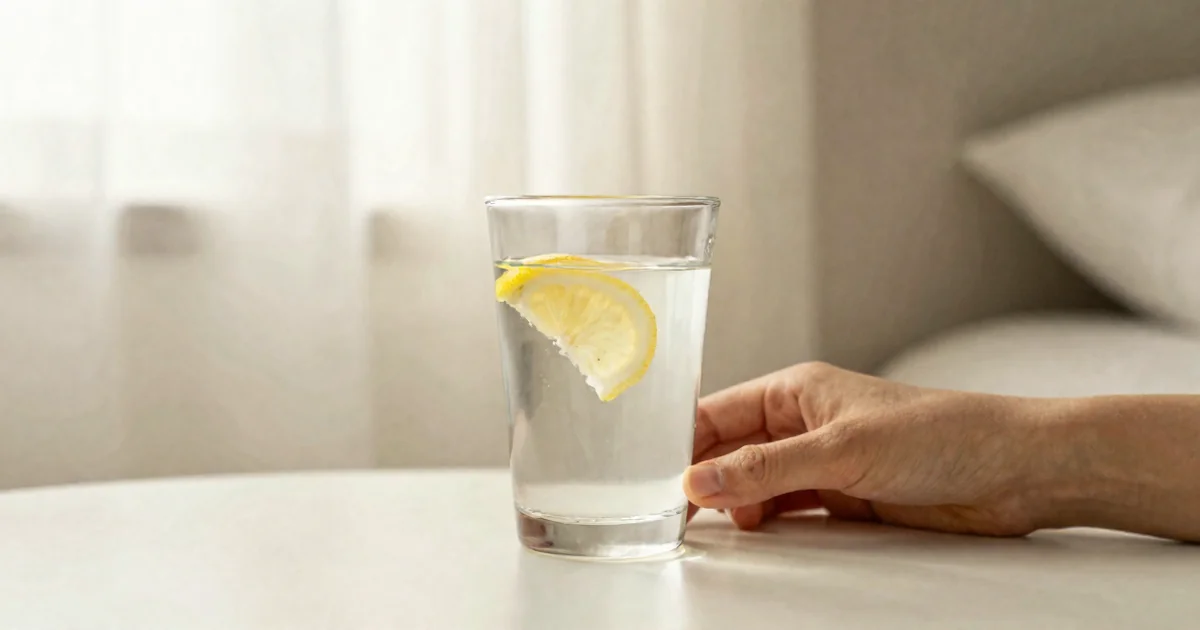
Lemon or lime juice is the classic choice. Beyond taste, citrus provides vitamin C and may support digestion. A quarter lemon squeezed into your morning water adds negligible calories while making hydration more appealing.
Herbal teas count toward hydration too. Despite old myths, moderate caffeine does not cause significant fluid loss. If you prefer warm beverages in the morning, an COSORI Electric Kettle heats water quickly for tea or warm lemon water.
For those who want variety, infusing water overnight with cucumber, mint, or berries creates subtle flavor without added sugars. A quality water bottle like the Simple Modern 32oz Summit keeps infused water cold and fresh.
The Overhydration Problem Nobody Talks About
Yes, you can drink too much water. Hyponatremia - dangerously low sodium levels from excess water intake - is more common than most people realize, particularly among endurance athletes and those following aggressive hydration protocols.
Symptoms of overhydration include headaches, nausea, confusion, and in severe cases, seizures. While rare in casual settings, it becomes a real risk when people force themselves to drink far beyond thirst.
The solution is simple: drink when thirsty, drink a moderate amount upon waking, and do not force excessive quantities. If your urine is completely clear, you may actually be overhydrating.
Why Electrolytes Improve Absorption
Water alone is not the complete hydration picture. Your body needs electrolytes - primarily sodium, potassium, and magnesium - to properly absorb and retain water.
This is why athletes drink sports beverages rather than pure water during intense exercise. But you do not need sugary sports drinks. A pinch of quality salt in your morning water improves absorption significantly.
For those who prefer a measured approach, electrolyte supplements like LMNT Zero Sugar Electrolytes or Nuun Sport Electrolyte Tablets provide balanced electrolytes without added sugar. Liquid I.V. Hydration Multiplier offers another option with a bit more flavor.
This is especially relevant if you exercise in the morning, sweat heavily at night, or eat a low-sodium diet.
Timing Hydration With Coffee and Supplements
Many people worry that coffee negates morning hydration efforts. Research does not support this concern for moderate caffeine intake. A 2014 PLOS ONE study found that coffee contributes to daily fluid intake similarly to water in regular coffee drinkers.
That said, drinking water before coffee has practical benefits. It kickstarts hydration before caffeine's mild diuretic effect and can reduce the acidity impact of coffee on an empty stomach.
For supplements, timing matters more. Fat-soluble vitamins (A, D, E, K) absorb better with food, not water. Water-soluble supplements can be taken with your morning water. Some supplements like magnesium work best at night.
A practical morning sequence: water upon waking, then coffee or tea 20-30 minutes later, then breakfast with any fat-soluble supplements.
Building the Actual Habit
The simplest approach is environmental design. Fill your water bottle before bed and place it where you will see it first thing - nightstand, bathroom counter, or kitchen counter if that is your first stop.
Start small. If you currently drink nothing in the morning, aiming for 500ml immediately sets you up for failure. Begin with 200-250ml and increase over weeks if desired.
Link it to an existing habit. "After I turn off my alarm, I drink water" creates a trigger that makes the behavior automatic over time.
Track only if it helps you. Some people benefit from apps or checkmarks. Others find tracking turns hydration into a stressful obligation. Know yourself.
Morning hydration should support your day, not complicate it. Start with what feels sustainable, adjust based on how you feel, and ignore anyone claiming there is only one right way to drink water.
Explore more lifestyle tips at TopicNest.
Disclaimer: This article is for informational purposes only. Hydration needs vary based on individual health conditions, medications, and circumstances. Consult a healthcare provider if you have specific concerns about fluid intake.
TopicNest
Contributing writer at TopicNest covering lifestyle and related topics. Passionate about making complex subjects accessible to everyone.