Table of Contents
Making coffee at home doesn't need to be complicated. Cold brew is one of the simplest methods available - it requires no heat, no precise timing, and forgives most mistakes. If you've been intimidated by pour-over ratios or espresso machines, cold brew might be the approach that finally sticks.
The basic concept is straightforward: coarse coffee grounds steep in cold water for 12-24 hours. That's it. The slow extraction produces a concentrate that's naturally sweeter and up to 67% less acidic than hot-brewed coffee, according to research published in Scientific Reports.
Why Cold Brew Works for Busy Schedules
Unlike pour-over or French press, cold brew doesn't demand your attention. You set it up before bed and wake up to ready-to-drink coffee. No watching kettles, no precise water temperatures, no cleanup while half-asleep.
The flexibility extends beyond timing. Cold brew concentrate keeps in the fridge for up to two weeks, meaning you can batch prep once and have coffee ready all week. For anyone juggling morning chaos - kids, pets, early meetings - this matters more than achieving the perfect extraction ratio.
Cold brew vs iced coffee is worth clarifying: iced coffee is hot-brewed coffee poured over ice, which can taste watered down and bitter. Cold brew is brewed cold from the start, producing that smooth, naturally sweet flavor that coffee shops charge $5-7 for.
The No-Equipment Method
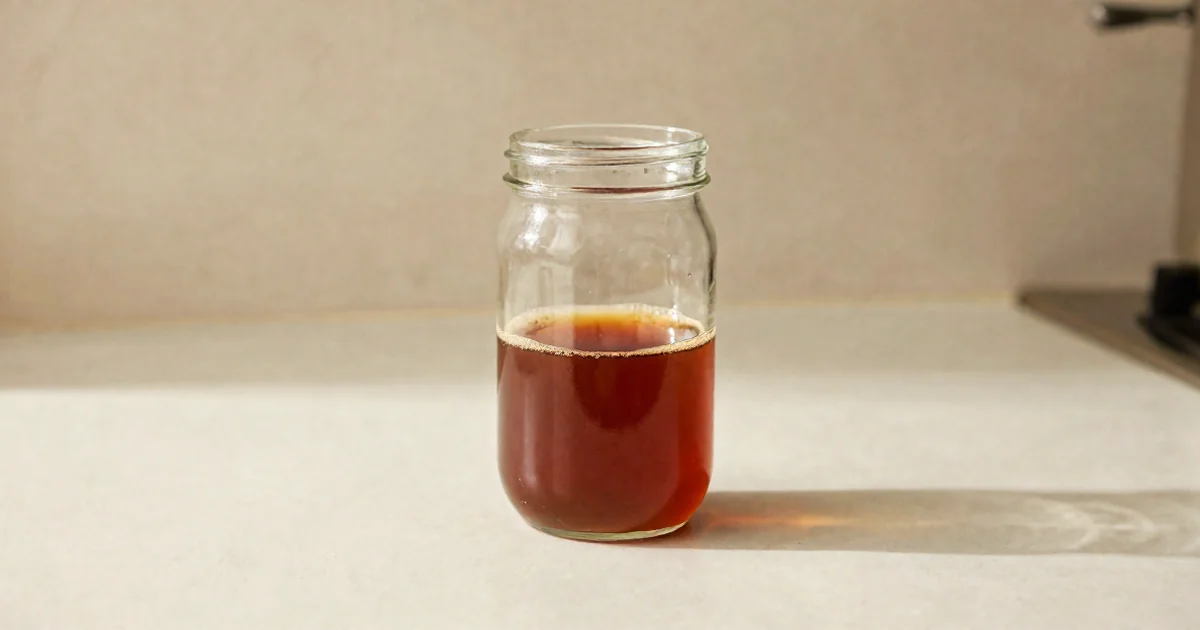
Before investing in any tools, try the mason jar method to see if cold brew fits your routine.
What you need:
- Any large jar or pitcher
- Coarse ground coffee (about 1 cup)
- Cold filtered water (4 cups)
- Fine mesh strainer or cheesecloth
Steps:
- Add grounds to jar
- Pour water over grounds, stir gently
- Cover and refrigerate 12-18 hours
- Strain through fine mesh into another container
- Dilute concentrate 1:1 with water or milk
This cold brew coffee recipe takes under five minutes of active time. The results won't be perfectly filtered - you might get some sediment - but it gives you a realistic preview of whether cold brew works for your taste preferences.
Upgrading Your Setup
If the mason jar method works for you, dedicated cold brew makers streamline the process and improve consistency.
The Takeya Tritan Cold Brew Coffee Maker (1 quart capacity) is popular for good reason. The built-in fine mesh filter means no straining step, and the airtight lid prevents fridge odors from affecting your coffee. It's also dishwasher safe, which reduces friction for daily use.
For smaller households or limited fridge space, the OXO Brew Compact Cold Brew Coffee Maker offers a clever draining mechanism. You brew in one container and release the concentrate directly into the included carafe. Less mess, cleaner process.
If you prefer taking cold brew to work, the Asobu Cold Brew Coffee Maker combines brewing and insulated travel mug in one unit. You can brew overnight and grab the same container in the morning - no pouring required.
Getting Your Ratios Right
Cold brew ratios depend on how you plan to drink it:
| Style | Coffee:Water | Result |
|---|---|---|
| Concentrate | 1:4 | Dilute before drinking |
| Ready-to-drink | 1:8 | No dilution needed |
| Strong concentrate | 1:3 | For milk-based drinks |
Most people start with 1:4 concentrate, then dilute to taste. This gives flexibility - you can add water for a lighter drink, milk for a latte-style beverage, or use it straight over ice if you prefer bold coffee.
One useful accessory: the COSORI Electric Gooseneck Kettle helps if you want to dilute concentrate with hot water for a warm cup. Concentrate plus hot water creates something like an Americano - useful during winter months when iced drinks feel less appealing.
Storage and Batch Prep
Cold brew concentrate lasts 10-14 days refrigerated in an airtight container. Ready-to-drink (already diluted) cold brew lasts about 3-5 days.
For weekly prep, Sunday evening brewing means coffee ready Monday through Friday. A 32-ounce batch of concentrate, diluted 1:1, yields roughly 8 cups - enough for one person drinking one large cold brew daily.
Label your container with the brew date. After two weeks, the flavor starts turning stale and can develop bitter notes.
Flavor Variations Worth Trying
Once basic cold brew works for you, small additions create variety:
- Vanilla cold brew: Add 1/2 teaspoon vanilla extract to concentrate
- Mocha cold brew: Mix with chocolate oat milk
- Spiced cold brew: Add a cinnamon stick during brewing
- Cold brew tonic: Top with tonic water for a refreshing summer drink
These variations cost pennies compared to coffee shop specialty drinks. Even with quality beans, homemade cold brew runs $0.30-0.50 per serving versus $5-7 at most cafes.
The Cost Reality
Here's an honest comparison:
| Item | Cost | Servings | Per Cup |
|---|---|---|---|
| Coffee shop cold brew | $5.50 | 1 | $5.50 |
| Home cold brew (quality beans) | $18/bag | ~40 | $0.45 |
| Home cold brew (bulk beans) | $12/bag | ~40 | $0.30 |
Even with a $25-35 cold brew maker, you break even within 1-2 weeks of daily drinking. After that, it's pure savings.
The time investment is minimal - about 5 minutes of active prep per batch. For many people, that's less time than waiting in a coffee shop line.
Starting Small
Cold brew doesn't require committing to a new lifestyle. Try the mason jar method this weekend with whatever coffee you have. If it works, consider a dedicated maker. If not, you've lost nothing but a few ounces of coffee grounds.
Small changes to daily routines add up - both in savings and in satisfaction. A good cup of coffee at home, ready when you wake up, is a reasonable goal that most people can achieve.
Explore more lifestyle tips at TopicNest.
Disclaimer: Lifestyle advice should be adapted to individual circumstances and values.
TopicNest
Contributing writer at TopicNest covering lifestyle and related topics. Passionate about making complex subjects accessible to everyone.