Table of Contents
Alternating between hot and cold water might sound uncomfortable, but contrast therapy has moved from athletic recovery rooms into mainstream wellness. Cold plunges, saunas, and contrast showers are becoming everyday practices for stress relief, circulation, and nervous system regulation.
The science behind temperature extremes is straightforward. Cold exposure triggers vasoconstriction (blood vessels narrow), while heat causes vasodilation (blood vessels widen). Alternating between these states creates a pumping effect that improves circulation and may support recovery. Research also shows that cold exposure activates the sympathetic nervous system (fight-or-flight), while heat promotes parasympathetic activity (rest-and-digest).
How Temperature Affects Your Nervous System
Cold water immersion triggers an immediate stress response. Your heart rate increases, breathing quickens, and norepinephrine spikes. This sounds counterproductive for relaxation, but controlled exposure to cold can train your nervous system to handle stress more effectively.
Studies show that regular cold exposure may improve mood and reduce symptoms of anxiety and depression. One theory suggests that the mild stress of cold water acts as hormesis - a beneficial stressor that strengthens resilience over time.
Heat therapy works differently. Saunas and hot baths activate the parasympathetic nervous system, lowering cortisol and promoting relaxation. Research from Finland shows that regular sauna use is associated with lower rates of cardiovascular disease and improved mental health.
Benefits: Circulation, Stress Reduction, and Recovery
Contrast therapy is most commonly used for muscle recovery after exercise. A 2016 review in the Journal of Strength and Conditioning Research found that contrast water therapy improved perceived recovery better than passive rest.
Beyond recovery, contrast therapy may improve circulation. The alternating constriction and dilation of blood vessels enhances blood flow, which can benefit people with poor circulation or cold extremities.
For stress relief, the evidence leans toward heat therapy. Sauna use has been linked to lower stress hormones, improved sleep, and better mood. Cold exposure isn't inherently relaxing - it's more about training your body to recover from stress quickly.
Heat therapy also shows promise for cardiovascular health. Regular sauna use (4-7 times per week) is associated with a lower risk of heart disease and stroke. The heat stress mimics moderate exercise, increasing heart rate and promoting vascular health.
Research on Saunas, Cold Plunges, and Ice Baths
Sauna research is robust. A 2015 study published in JAMA Internal Medicine followed over 2,300 Finnish men for 20 years and found that frequent sauna use was associated with a 40% lower risk of sudden cardiac death.
Cold water immersion research is newer but growing. A 2016 study in the British Medical Journal found that people who took cold showers regularly reported fewer sick days. Another study from 2018 showed that cold water swimming may improve mood and reduce anxiety.
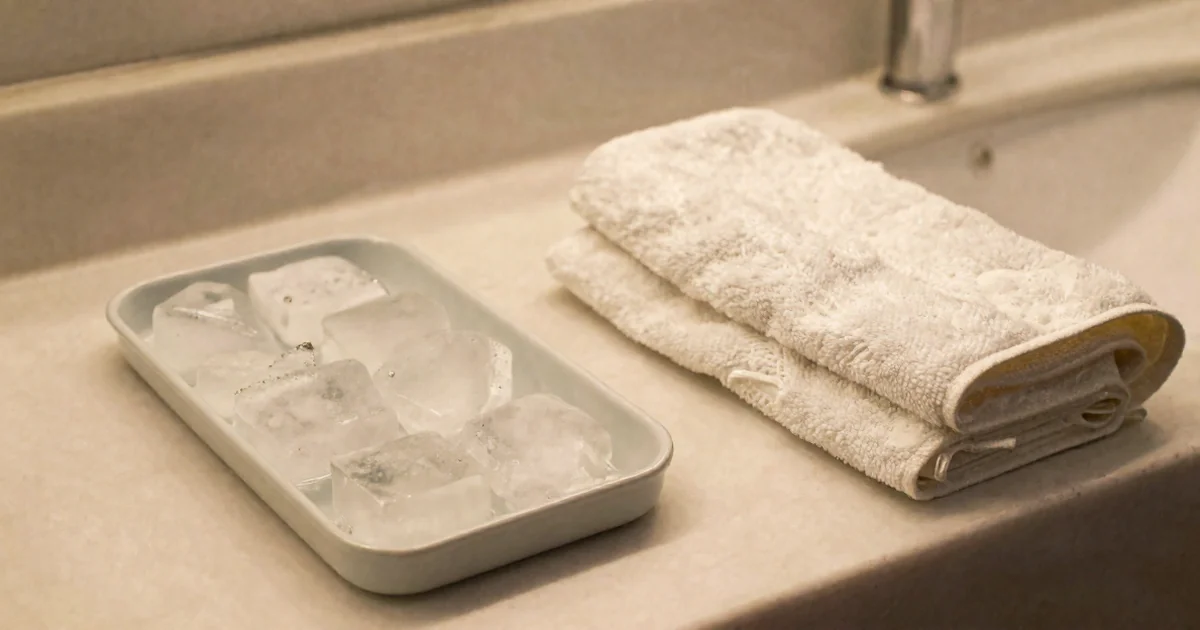
Ice baths are popular in sports recovery, but the evidence is mixed. Some studies show reduced muscle soreness, while others suggest that ice baths may blunt the muscle-building response to exercise. If you're training for strength, prolonged ice baths immediately after workouts might not be ideal.
Safer Alternatives: Contrast Showers and Heated Foot Baths
You don't need a sauna or ice bath to experiment with contrast therapy. Contrast showers are the most accessible option. Start with warm water for 2-3 minutes, then switch to cold water for 30-60 seconds. Repeat 3-5 times, ending on cold.
For a gentler approach, try contrast foot baths. Fill one basin with warm water (around 38-40°C) and another with cold water (10-15°C). Alternate soaking your feet for 3 minutes warm, 1 minute cold, repeating 3-4 times.
RENPHO Foot Massager with Heat combines heat therapy with massage, making it easy to incorporate warmth into your recovery routine. For a budget-friendly option, the Nekteck Shiatsu Foot Massager offers similar heat and pressure benefits.
Facial contrast therapy is another accessible option. Use a facial steamer for 5-10 minutes to open pores and promote circulation, then follow with a cold water rinse. This improves skin circulation and reduces puffiness.
If you want the benefits of heat without the contrast element, add Epsom salt to a warm bath. The heat supports muscle relaxation and stress relief.
Risks and Who Should Avoid It
Contrast therapy isn't safe for everyone. Cold water immersion can cause a sudden spike in heart rate and blood pressure, making it risky for people with cardiovascular conditions, uncontrolled hypertension, or arrhythmias.
Pregnant women should avoid extreme heat due to the risk of overheating, which can affect fetal development. Cold water immersion during pregnancy should also be approached cautiously.
People with Raynaud's disease or cold-induced urticaria should avoid cold water therapy. The same goes for anyone with compromised circulation or nerve damage.
Even healthy individuals can experience cold shock response - rapid breathing, gasping, and panic when suddenly exposed to cold water. If you're new to cold exposure, start slowly with contrast showers rather than jumping into an ice bath.
Heat therapy also has risks. Dehydration, dizziness, and fainting can occur if you stay in a sauna too long or don't drink enough water. People with low blood pressure should be cautious.
Making Contrast Therapy Accessible
You don't need a luxury spa membership or a cold plunge setup. Start with what you have: your shower, a bathtub, or two basins for foot soaks.
If you're curious about the mental benefits of cold exposure, begin with 30 seconds of cold water at the end of your shower. Focus on controlling your breathing rather than toughing it out.
For heat therapy, a warm bath with Epsom salt or a heated foot massager can provide similar relaxation benefits as a sauna, especially if paired with deep breathing or meditation.
Contrast therapy works best when it's consistent but not extreme. Small, regular exposures are safer and more sustainable than occasional intense sessions.
Disclaimer: This article is for informational purposes only and does not constitute medical advice. If you have cardiovascular conditions, circulatory issues, or are pregnant, consult a healthcare provider before trying contrast therapy. Lifestyle advice should be adapted to individual circumstances and values.
TopicNest
Contributing writer at TopicNest covering lifestyle and related topics. Passionate about making complex subjects accessible to everyone.