Table of Contents
Contrast Therapy: Cold and Heat Science Explained
Contrast therapy - alternating between hot and cold exposure - has been practiced across cultures for centuries. Finnish sauna tradition alternates intense heat with cold water plunging or rolling in snow. Japanese Onsen culture moves between hot thermal pools and cold soaks. Nordic wellness has always incorporated ice bath immersion after heat exposure.
In 2026, contrast therapy has moved from cultural tradition into mainstream wellness. The Global Wellness Institute named it one of 2025's biggest wellness trends. For the first time, a substantial body of clinical research has accumulated to examine what these traditions actually accomplish physiologically.
The Vascular Pumping Mechanism
The primary proposed mechanism of contrast therapy is vascular pumping. Heat causes vasodilation - blood vessels in the skin and superficial tissues dilate, increasing blood flow to those areas and reducing blood pressure temporarily. Cold causes vasoconstriction - blood vessels contract, redirecting blood flow to the core and vital organs.
Alternating between these states creates a pumping effect in the peripheral vasculature. Blood is pushed toward the periphery (heat), then pulled back to the core (cold), then pushed out again. This is proposed to enhance lymphatic flow, reduce edema (swelling from fluid accumulation), and accelerate removal of metabolic byproducts from tissues.
A 2025 scoping review examining contrast therapy across athletic and clinical populations found consistent improvements in pain levels, joint range of motion, and swelling. The evidence is strongest for post-exercise recovery and management of musculoskeletal conditions.
Physical Benefits With Evidence
Delayed onset muscle soreness (DOMS) reduction: Cold water immersion at 11 to 15 degrees Celsius effectively reduces DOMS - the muscle soreness that peaks 24 to 48 hours after exercise. This temperature range is effective while being more tolerable than extreme cold (below 10 degrees Celsius). Contrast therapy (alternating cold and hot) shows DOMS reduction similar to cold alone.
Inflammation and swelling: The vascular pumping mechanism is particularly relevant for inflammatory conditions. Athletes using contrast therapy show lower post-training inflammatory markers than those using passive recovery.
Joint function: Six weeks of cold water immersions activated the immune system in athletic men in one study, increasing IL-6 and T lymphocytes. These immune responses have complex implications - acute exercise-related inflammation is part of adaptation, and suppressing it entirely may reduce training gains. This is a consideration for athletes using contrast therapy after every session.
Circulation improvement: Consistent with vascular pumping theory, contrast therapy improves peripheral circulation markers in people with Raynaud's phenomenon and mild chronic venous insufficiency in clinical studies.
Mental Benefits: BDNF, Mood Effects
Both heat and cold function as mild physiological stressors that trigger hormetic responses - where a stress at the right dose produces adaptive benefits. Both modalities trigger BDNF (brain-derived neurotrophic factor) release. BDNF supports neuron growth, synaptic plasticity, and is one of the neurological correlates of the mood-enhancing effects of exercise.
Cold shock proteins triggered by cold exposure are linked to improved immune function. The norepinephrine spike from cold immersion (300 to 500% increases have been measured in studies) contributes to the mood-elevating effects reported by regular cold exposure practitioners.
The mood effects of cold exposure are real and rapid, but tolerance also develops quickly. Regular practitioners report needing colder temperatures or longer durations over time to achieve the same subjective effect.
At-Home Protocols: Safety, Temperature, and Timing
Cold shower to warm bath protocol: Begin with 2 to 3 minutes of normal shower temperature. Reduce to cold (as cool as your tap allows, typically 15 to 20 degrees Celsius) for 90 seconds to 2 minutes. Move to a warm bath or return to hot shower for 3 to 4 minutes. Repeat the cold/heat cycle 2 to 3 times. End on cold for a more stimulating effect, or on warm for a calming effect.
Foot contrast bath (most accessible for beginners): Two basins - one with hot water (40 to 43 degrees Celsius), one with cold (10 to 15 degrees Celsius). Alternate feet between basins for 3 minutes hot, 1 minute cold. Repeat 3 to 4 cycles. End on cold. This is well-studied for edema reduction and peripheral circulation improvement.
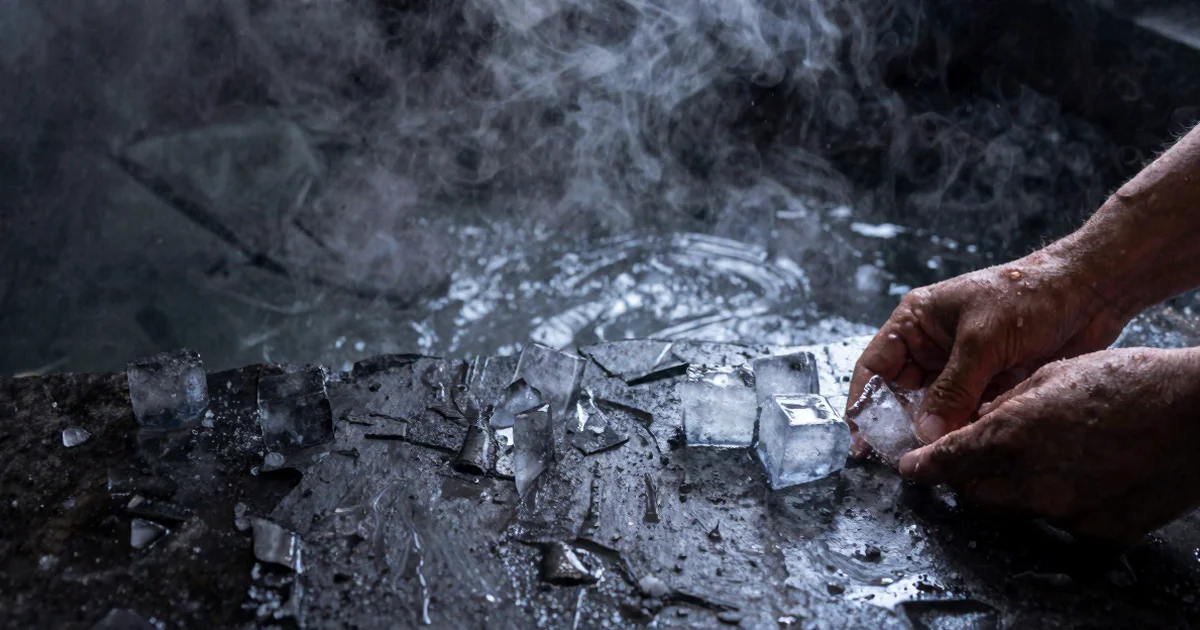
Ice bath for DOMS (for athletes specifically): A portable ice bath tub allows at-home full-body cold immersion. Target 11 to 15 degrees Celsius water for 10 to 15 minutes. More extreme cold is not necessarily more effective and increases discomfort and risk.
Epsom salt warm soak adds magnesium absorption to heat benefits. Dr. Teal's Epsom Salt Magnesium Soak is a practical option for warm-phase recovery baths. The magnesium transdermal absorption evidence is mixed, but the heat component and the relaxation ritual have their own documented benefits.
Safety Considerations
Avoid contrast therapy immediately after intense exercise if you have cardiovascular conditions - the rapid heart rate and blood pressure changes from cold immersion can stress the cardiovascular system. Consult a physician before starting contrast therapy if you have heart disease, hypertension, or Raynaud's phenomenon.
Begin conservatively. The first cold exposure should be brief (30 to 60 seconds) at a tolerable temperature. Adaptation takes 1 to 2 weeks before longer or colder exposures become comfortable.
Do not practice cold immersion alone if you are new to it - cold shock response can cause involuntary gasping that creates drowning risk in water above the face.
Lifestyle advice should be adapted to individual circumstances and values.
TopicNest
Contributing writer at TopicNest covering lifestyle and related topics. Passionate about making complex subjects accessible to everyone.