Table of Contents
You don't need a spa membership or expensive renovations to create a space that supports your wellbeing. Research shows that environmental factors like lighting, temperature, and sound significantly impact stress levels and recovery. A dedicated wellness corner at home - even in a small apartment - can make daily self-care more accessible and consistent.
The key is intentional design: choosing elements that signal to your body it's time to rest, not hustle.
Lighting: The Foundation of Relaxation
Harsh overhead lighting triggers alertness; warm, dimmable light promotes calm. Studies on circadian rhythms show that exposure to warm-spectrum light (2700-3000K) in the evening supports better sleep quality.
For a wellness space, aim for layered lighting:
- Dimmable lamps that let you adjust intensity based on activity (reading vs. meditation)
- Warm bulbs in the 2700K range, which mimic sunset tones
- Indirect light sources like floor lamps or wall sconces that eliminate glare
If you're working with a tight budget, one strategically placed lamp can replace overhead lighting. Sunrise alarm clocks like the Hatch Restore 3 simulate natural light transitions, doubling as both a wake-up tool and ambient evening light.
Scent and Aromatherapy
Olfactory cues are powerful. Research on lavender and chamomile shows measurable reductions in cortisol levels and heart rate when inhaled during relaxation.
You have three main options:
| Method | Pros | Cons |
|---|---|---|
| Essential oil diffuser | Adjustable intensity, no flame | Requires cleaning |
| Scented candles | Ambient light + scent | Open flame, less control |
| Room sprays | Instant effect, portable | Fades quickly |
Essential oil diffusers like the ASAKUKI Ultrasonic Diffuser offer precise control over scent strength and run time. For those who prefer candles, the Howemon Scented Candles Set provides variety without committing to one scent.
One caveat: if you have asthma or scent sensitivities, skip fragrance entirely. Unscented spaces can be just as calming.
Sound: Silence, Music, or Nature?
Sound preferences for relaxation vary widely. Some people need absolute silence; others find white noise or nature sounds grounding.
Research on sound masking shows that consistent, low-frequency sounds (like ocean waves or rainfall) can reduce stress by drowning out unpredictable noise - traffic, neighbors, household sounds.
Options to test:
- White noise machines for consistent background sound
- Nature soundscapes (apps like Calm or Insight Timer offer free options)
- Instrumental music at 60-80 BPM, which research links to lower heart rate
- Complete silence with earplugs or noise-canceling headphones
You don't need expensive equipment. Most smartphones can play soundscapes through a basic speaker. The goal is to eliminate jarring interruptions, not achieve studio-quality audio.
Temperature Control for Deep Relaxation
Your body temperature naturally drops as you prepare for sleep or deep rest. Research shows that cooler environments (18-20°C) support better sleep quality and recovery.
For a wellness space:
- Keep the room slightly cooler than the rest of your home
- Use breathable fabrics like cotton or silk - the ZIMASILK Silk Pillowcase stays cool against skin
- Layer blankets so you can adjust warmth without changing the room temperature
If you don't control the thermostat, a small fan can create airflow. Alternatively, warming rituals like a bath with Dr Teal's Epsom Salt followed by cool-down time can trigger the same temperature drop that signals rest.
Plants and Air Quality
NASA's Clean Air Study found that certain houseplants remove toxins like benzene and formaldehyde from indoor air. But beyond air purification, plants add life to a space - research links greenery to reduced stress and improved mood.
Low-maintenance options for wellness spaces:
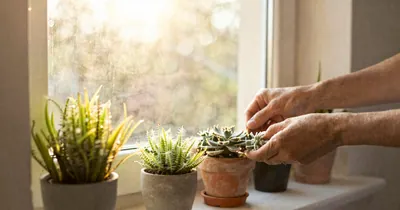
- Snake plants tolerate low light and infrequent watering
- Pothos thrives in indirect light and improves air quality
- Peace lilies add visual softness and filter air
If you lack a green thumb, even one small plant makes a difference. The visual reminder of nature can shift your mindset when you enter the space.
Budget-Friendly Transformations
You don't need to spend hundreds to create a wellness corner. Research shows that consistency matters more than luxury - a simple, dedicated space used daily beats an elaborate setup used once a month.
Prioritize:
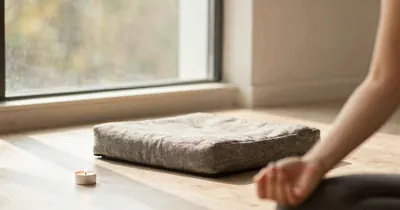
- One comfortable seat - a floor cushion, chair, or yoga mat
- Dimmable lighting - even a $15 lamp with a warm bulb works
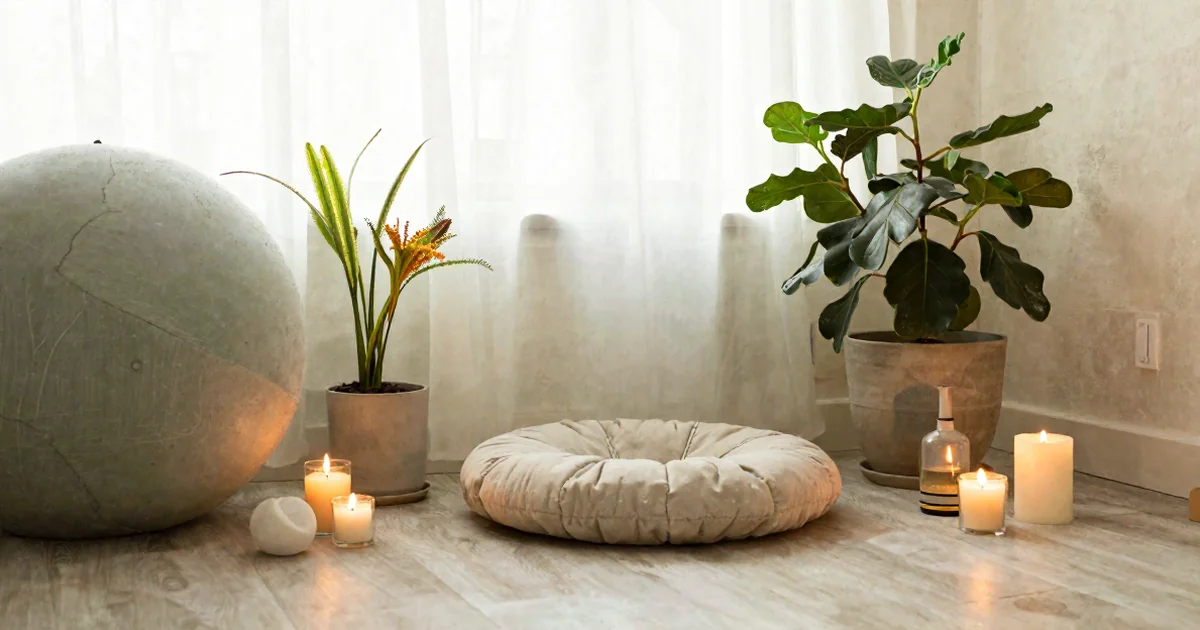
- One sensory element - a plant, candle, or diffuser
Skip:
- Expensive meditation cushions (a folded blanket works)
- High-end sound systems (phone speakers are fine)
- Matching decor (function over aesthetics)
Shower-based self-care is another budget approach. Cleverfy Shower Steamers turn a daily routine into aromatherapy without requiring extra space.
Small-Space Solutions
No spare room? No problem. A wellness space can be a corner, not an entire room.
Small-space strategies:
- Designate a chair that's only used for rest, not work or scrolling
- Use a folding screen to visually separate your wellness corner from the rest of the room
- Store items in a basket - pull out your candle, blanket, and journal when it's time to unwind
- Multi-purpose furniture like a storage ottoman that holds supplies and serves as seating
The psychological benefit comes from intention, not square footage. Even a 1-meter corner can signal to your brain: "This is where we rest."
Making It Stick
Creating the space is step one. Using it consistently is step two.
Research on habit formation shows that environmental cues trigger behavior - when your wellness space is ready to use (not cluttered with laundry or work papers), you're more likely to actually use it.
Start small:
- Use the space for 10 minutes daily, even if it's just sitting with tea
- Keep it simple - overcomplicating routines leads to abandonment
- Adjust as you learn what works - your needs may shift seasonally or with life changes
A wellness space doesn't have to be Instagram-perfect. It just has to support your version of rest.
TopicNest
Contributing writer at TopicNest covering lifestyle and related topics. Passionate about making complex subjects accessible to everyone.