Table of Contents
Urban dwellers often assume composting requires yards and space they don't have. Several composting systems work effectively in apartments and small urban spaces. These methods handle typical household food waste without creating odors or pest problems.
Composting Systems for Small Spaces
Urban composting divides into indoor and outdoor methods, each with distinct characteristics.
Indoor vermicomposting: Worm bins process food scraps using red wiggler worms. Systems fit under sinks or in closets. Worms consume scraps quickly, producing finished compost in 3-4 months. Properly maintained bins produce no odor.
Bokashi composting: This fermentation method uses specific microorganisms to break down food waste, including meat and dairy. Sealed buckets prevent odors. Process takes 2 weeks, then requires burial in soil or transfer to traditional compost. Works well for apartment dwellers with limited outdoor access.
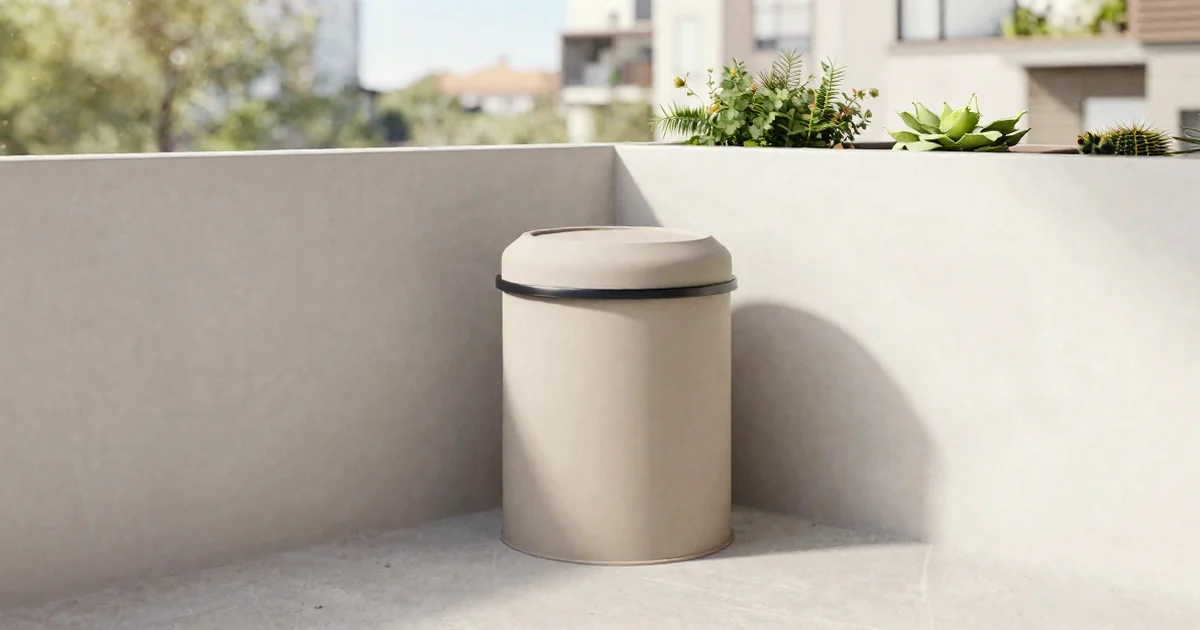
Balcony composting: Small tumbling composters or compact bins work on balconies. These handle vegetable scraps, coffee grounds, and small amounts of yard waste. Require more space than indoor methods but process larger volumes.
Community composting: Many urban areas offer composting drop-off locations or pickup services. Buildings sometimes provide shared composting facilities. Check local programs before investing in home systems.
Starting with Vermicomposting
Worm composting adapts well to apartment living with proper setup.
Bin selection: Purchase ready-made worm bins or build one from storage containers. Systems need drainage, airflow, and darkness. Size depends on household waste volume - start small.
Worm acquisition: Red wigglers (Eisenia fetida) work best for composting. Order online or find local suppliers. Start with 1 pound of worms for typical household.
Bedding preparation: Worms need bedding material - shredded newspaper, cardboard, or coconut coir. Moisten bedding to wrung-out sponge consistency. Fill bin 2/3 with bedding.
Feeding schedule: Add food scraps gradually as worms adjust. Bury scraps in bedding to prevent fruit flies. Avoid overfeeding - rotting food creates odors.
Maintenance requirements: Check moisture weekly. Harvest finished compost every 3-4 months. System requires minimal daily attention once established.
Bokashi Method Details
Bokashi offers unique advantages for urban composters.
System components: Two buckets work best - fill one while the other processes. Buckets need tight lids and drainage spigots. Bokashi bran contains the necessary microorganisms.
Process workflow: Layer food scraps with bokashi bran. Press down to remove air pockets. Keep lid sealed. Drain liquid (bokashi tea) every few days - dilute and use as plant fertilizer.
Handling fermented waste: After 2 weeks, material looks pickled rather than decomposed. Bury in outdoor soil, add to traditional compost, or place in large containers with potting soil. Material breaks down completely within 2-4 weeks.
Acceptable materials: Bokashi handles meat, dairy, and cooked foods that other methods can't process. Bones and large items take longer. Avoid liquids that create excess drainage.
Balcony Systems
Outdoor composting requires more space but handles larger volumes.
Container selection: Tumbling composters speed decomposition through easy turning. Stationary bins cost less but require manual turning with tools. Choose based on available space and physical ability.
Location considerations: Place on stable surface away from walls. Adequate drainage prevents liquid buildup. Some sun exposure helps but isn't essential.
Material balance: Traditional composting requires balancing green materials (food scraps, fresh grass) with brown materials (dried leaves, paper, cardboard). Aim for 1 part green to 3 parts brown.
Turning schedule: Turn compost weekly for fastest decomposition. Less frequent turning works but extends timeline. Proper aeration prevents anaerobic odors.
Winter composting: Cold weather slows decomposition but doesn't stop it. Insulate bins or move to protected areas. Composting resumes normally in spring.
Troubleshooting Common Issues
Urban composting presents specific challenges with solutions.
Fruit flies: Bury fresh scraps under bedding or finished compost. Keep bins covered. Reduce feeding frequency temporarily. Flies indicate exposed food waste.
Unpleasant odors: Anaerobic conditions create smells. Add more brown materials, improve drainage, increase airflow. Properly maintained systems produce earthy smells only.
Worms escaping: Worms leave bins when conditions deteriorate - too wet, too dry, too acidic, or overfed. Fix environmental issues and worms return to bins.
Slow decomposition: Cold temperatures, insufficient moisture, or poor material balance slow processes. Adjust these factors based on specific situation.
Pest problems: Fruit flies represent the primary urban pest. Larger animals rarely access properly sealed indoor systems. Outdoor bins need secure lids to deter rodents.
Using Finished Compost
Produced compost serves multiple purposes in urban settings.
Houseplant fertilizer: Mix finished compost into potting soil or top-dress existing plants. Provides slow-release nutrients and improves soil structure.
Balcony gardens: Use compost in container gardens, window boxes, or raised beds. Improves water retention in containers.
Community gardens: Share excess compost with neighborhood gardens. Many programs welcome donations.
Compost tea: Steep finished compost in water to create liquid fertilizer. Strain and dilute before applying to plants.
Minimizing Challenges
Proper planning prevents most composting problems.
Start small: Begin with minimal investment and scale up based on results. Small systems teach basics without overwhelming beginners.
Choose appropriate method: Match system to living situation. Renters need portable solutions. Available space determines capacity.
Manage expectations: Urban composting handles kitchen scraps but not yard waste volumes. Systems process limited quantities compared to suburban piles.
Integrate gradually: Establish composting habits over weeks rather than days. Rushed setups lead to problems and discouragement.
Regulations and Building Rules
Urban composting may face restrictions.
Lease agreements: Check rental policies regarding composting. Some prohibit certain systems. Indoor vermicomposting rarely violates rules.
Building codes: Condos and co-ops may restrict balcony composting. Review regulations before purchasing equipment.
Shared space considerations: Neighbors may complain about visible composters or potential odors. Choose discrete systems and maintain them properly.
Local regulations: Some municipalities regulate composting. Research local rules regarding acceptable methods and locations.
Cost Considerations
Urban composting costs vary by method.
Vermicomposting startup: Bins cost $50-150 or build for $20-30. Worms cost $30-40. Ongoing costs minimal - occasional bedding materials.
Bokashi systems: Buckets cost $60-80 for two. Bokashi bran costs $15-25 per bag (lasts several months). Higher ongoing costs than other methods.
Balcony composters: Tumblers cost $80-200. Basic bins cost $40-80 or build from pallets. No significant ongoing costs.
Community programs: Drop-off programs usually free. Pickup services may charge monthly fees. Compare costs to convenience benefits.
Environmental Impact
Even small-scale urban composting creates measurable benefits.
Waste reduction: Average household diverts 200-300 pounds of organic waste annually. Reduces methane production from landfills.
Soil creation: Produces 50-100 pounds of finished compost yearly from typical apartment. Replaces commercial fertilizers and peat moss.
Carbon sequestration: Compost stores carbon in soil rather than releasing it as methane. Small but measurable climate benefit.
Education value: Demonstrates decomposition cycles and nutrient flow. Connects urban dwellers to natural processes.
Beyond Individual Action
Personal composting represents one approach among many.
Municipal programs: Advocate for city-wide composting collection. Larger-scale operations process waste more efficiently than individual systems.
Building initiatives: Work with property managers to install shared composting facilities. Collective systems serve more residents with less individual effort.
Policy support: Support regulations requiring composting infrastructure in new developments. Systemic solutions complement individual efforts.
Conclusion
Urban composting works in apartments and small spaces through adapted methods. Vermicomposting, bokashi, and balcony systems each handle food waste effectively without requiring yards. These approaches reduce waste, create useful compost, and connect urban residents to nutrient cycles.
Start with one method matching your space and commitment level. Small-scale composting handles kitchen scraps while providing learning experiences. Systems become routine with practice, requiring minimal ongoing attention.
Individual composting creates impact while supporting larger infrastructure development. Combine personal action with advocacy for municipal programs.
Explore more lifestyle topics: Browse practical advice at TopicNest Lifestyle
Disclaimer: Lifestyle recommendations should be adapted to individual circumstances and local regulations.
TopicNest
Contributing writer at TopicNest covering lifestyle and related topics. Passionate about making complex subjects accessible to everyone.