Table of Contents
If you have ever hit a point where even your hobbies feel like work, you are not alone. Burnout does not just drain your energy for tasks you dislike - it flattens your ability to enjoy anything at all. That is where the dopamine menu comes in, a simple framework that has been gaining traction on Reddit and TikTok throughout 2025 and into 2026. The idea is straightforward: instead of reaching for the same numbing scroll or binge-watch when you are running on empty, you choose from a personalized menu of activities designed to give you the right level of stimulation.
What Is a Dopamine Menu?
A dopamine menu borrows the restaurant metaphor to organize your go-to feel-good activities into tiers based on effort and stimulation level. The three categories are appetizers (low effort, easy to start), main courses (moderate effort, more satisfying), and desserts (high stimulation, use sparingly). The beauty of this system is that it removes decision fatigue - the very thing that makes burnout worse. When you are exhausted, you do not have to think about what might help. You just look at your menu.
The concept was popularized by therapists and productivity creators, but it has really taken off because people keep reporting that it works. Not as a cure-all, but as a small, practical tool for managing energy when everything feels heavy.
Appetizers - Low Effort, Easy Wins
Appetizers are the activities you can do when you have almost nothing left. They require minimal setup, minimal brainpower, and still give you a gentle mood lift. Think of them as the equivalent of a warm cup of tea on a rough day.
Some examples:
- Stepping outside for a 10-minute walk around the block
- Listening to a playlist you have already made
- Watering your plants or tidying one small area
- Watching a single episode of a comfort show (not a whole season)
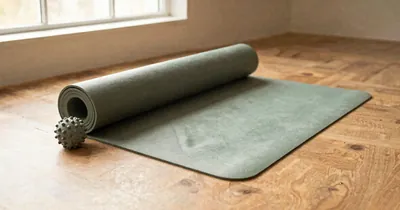
- Doing a 5-minute stretch routine on the floor
The key with appetizers is that they should never feel like a task. If reading feels like too much, it does not belong here. Be honest about what actually feels easy when you are drained.
Main Courses - Moderate Effort, Real Satisfaction
Main courses take a bit more energy, but they pay off with a deeper sense of engagement. These are the activities that leave you feeling like you actually did something with your time - without the guilt spiral of doomscrolling for two hours.
Here is where screen-free hobbies really shine. Something like the Rolife DIY Book Nook Kit (around $30-40) gives you a hands-on project that keeps your brain occupied without overwhelming it. You build a miniature scene, piece by piece, and end up with something you can actually look at and feel good about. It is the kind of activity that pulls you into a flow state almost by accident.
Other main course ideas:
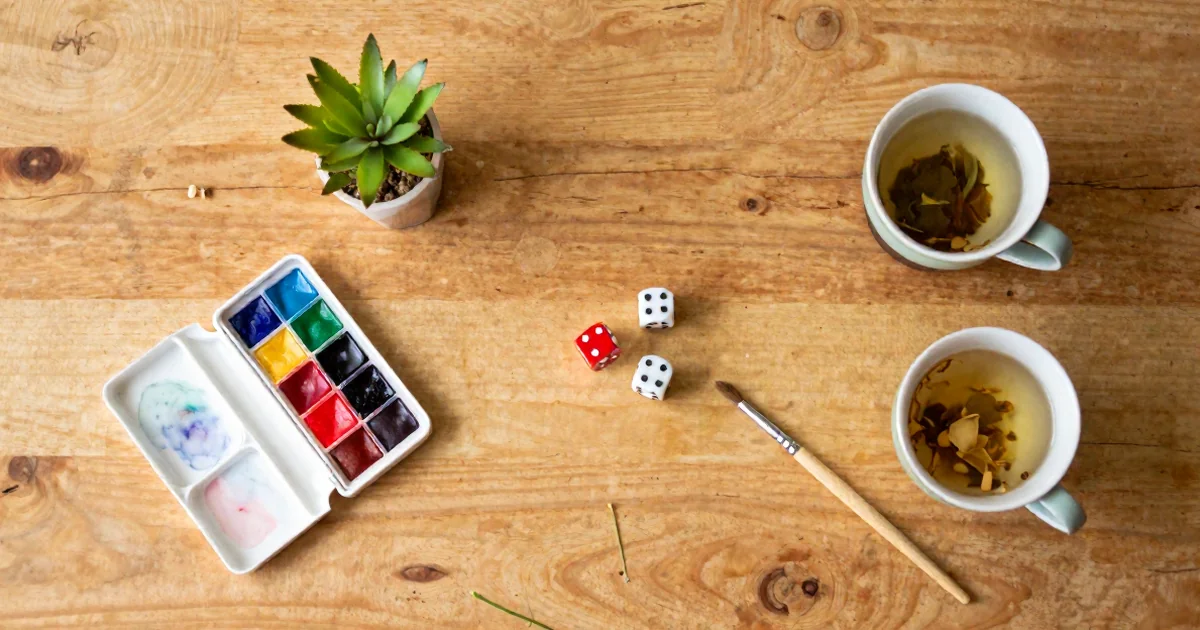
- Painting or sketching - even badly. A set like the ARTISTRO 50 Color Watercolor Paint Set (around $20-25) is a low-commitment way to start without investing in expensive art supplies
- Cooking a new recipe from scratch
- Going for a longer walk or bike ride (aim for 5-10 km, not a marathon)
- Journaling or writing without any goal
- Reorganizing a bookshelf or closet section
The point is not productivity. The point is engagement that feels voluntary, not forced.
Desserts - High Stimulation, Use With Intention
Desserts are the high-dopamine activities. They feel great in the moment, but they can leave you feeling hollow if you overdo them. Social media, online shopping, video games for hours, binge-watching entire seasons - these all fall into the dessert category.
The dopamine menu does not tell you to eliminate desserts. It just asks you to be intentional about when and how much you consume them. A good rule of thumb: have one or two desserts per day, and try to pick ones that involve other people or at least some active participation.
For example, board games hit the "high stimulation" mark while also being social. Something like CATAN Board Game 6th Edition (around $25-35) turns an evening into something memorable without the post-binge regret of seven hours of passive streaming. Game nights with friends or family give you dopamine and connection - a combination that passive consumption rarely matches.
Other intentional desserts:
- One episode of a new show you are genuinely excited about
- A timed 30-minute gaming session
- Browsing a bookstore or record shop (physical, not online)
Building Your Own Menu
The most important part of the dopamine menu is making it personal. What counts as an appetizer for one person might be a main course for another. Here is a simple way to build yours:
- Grab a piece of paper or open a notes app
- Write three columns: Appetizers, Main Courses, Desserts
- List 5-7 activities in each column based on how much energy they require from you specifically
- Put it somewhere visible - your fridge, your phone lock screen, your desk
Review it every few weeks. Your energy levels change, and so do the things that help. An activity that felt easy last month might feel heavy right now, and that is fine. Move it to a different tier or swap it out entirely.
Why This Works for Burnout Specifically
Burnout is not just being tired. It is a state where your reward system stops functioning normally - things that used to feel good just feel flat. The dopamine menu works because it meets you where you are. On a terrible day, you are not forced to "push through" with a demanding activity. You pick an appetizer and call it a win.
Over time, small wins rebuild your sense of agency. You start trusting yourself to make choices that actually help, rather than defaulting to whatever requires the least thought (which is usually mindless scrolling). It is not a quick fix - it is a practical habit that stacks up gradually.
The dopamine menu will not fix systemic burnout caused by overwork or toxic environments. For that, you need bigger changes. But as a daily tool for managing your energy and mood, it is one of the more useful frameworks floating around right now.
Lifestyle advice should be adapted to individual circumstances and values.
Explore more lifestyle tips at TopicNest Lifestyle.
TopicNest
Contributing writer at TopicNest covering lifestyle and related topics. Passionate about making complex subjects accessible to everyone.