Table of Contents
Sleep is the ultimate self-care practice, yet most people approach it backwards. Instead of fixing routines first, they buy gadgets hoping technology will solve everything. Or they ignore data entirely and wonder why caffeine at 4 PM still disrupts their nights.
The reality sits somewhere between these extremes. Wearable sleep trackers can reveal useful patterns about what actually works for your body. But they work best when paired with simple, low-tech routine changes that cost little or nothing.
How Sleep Trackers Reveal Patterns
Devices like the Oura Ring 4 and WHOOP 4.0 track sleep stages, heart rate variability, and recovery metrics. These aren't medical devices, but they excel at showing correlations over time.
Wear a tracker for two weeks and patterns emerge. Late meals consistently reduce deep sleep. Alcohol fragments REM cycles even in moderate amounts. Room temperature above 20°C correlates with more restless nights. The tracker doesn't judge - it shows what happened, repeatedly, until the pattern becomes obvious.
This observational approach matters because sleep advice often conflicts. Some people swear by morning workouts, others find evening exercise helpful. Trackers bypass generic advice and show what works for your specific physiology and schedule.
Temperature, Darkness, and Wind-Down Routines
Data from sleep trackers consistently points to three environmental factors: temperature, light exposure, and pre-sleep routines. These matter more than most gadgets, and some require minimal investment.
Room temperature between 16-19°C supports better sleep stages for most people. This often means lowering heating at night or using lighter bedding. The ZIMASILK Silk Pillowcase helps regulate temperature naturally - silk breathes better than cotton and stays cool against skin.
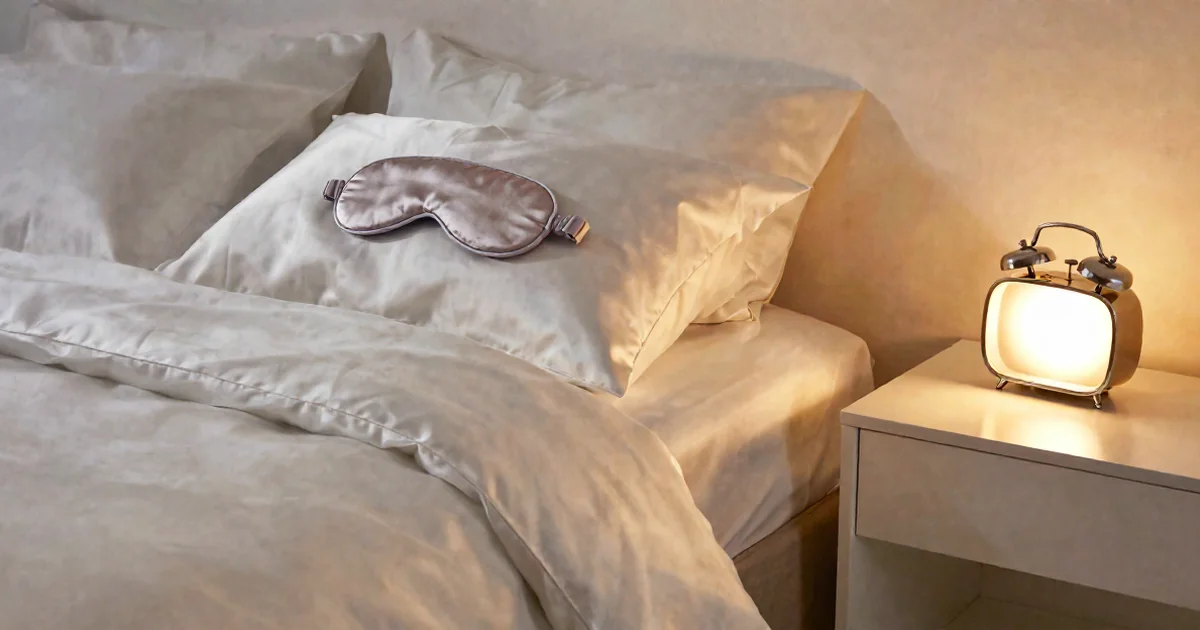
Complete darkness signals melatonin production. Blackout curtains or a simple eye mask work equally well. Light exposure matters more in the 2-3 hours before bed than the middle of the night. Dimming lights after dinner often shows measurable improvement in sleep onset time.
Wind-down routines signal to your body that sleep approaches. The Hatch Restore 3 combines gradual light dimming with sound options to create consistent pre-sleep cues. But a simple routine - same time each night, lights dimmed, screens off 30 minutes before bed - delivers similar benefits without the device.
Sleep Debt and Recovery
Sleep debt accumulates faster than most people realize. One night of 5 hours creates a deficit that affects cognitive performance for 2-3 days. This shows up clearly in HRV metrics and recovery scores on devices like WHOOP.
Recovering from sleep debt requires consistency, not extreme catch-up sessions. Sleeping 12 hours on Saturday doesn't fully compensate for five nights of 6-hour sleep. The body responds better to gradual adjustments - adding 30 minutes per night for a week often shows better recovery metrics than erratic sleep schedules with occasional long nights.
Weighted blankets help some people achieve deeper, less interrupted sleep. The Luna Weighted Blanket uses glass beads for even weight distribution. Research suggests 10% of body weight creates optimal pressure without feeling restrictive. This isn't universal - some people find any weight uncomfortable - but for those it works for, the effect shows clearly in sleep tracker data.
Cost-Effective Sleep Optimization
Expensive gadgets aren't required for better sleep. Data from thousands of sleep tracker users reveals simple interventions with disproportionate impact.
Consistent sleep and wake times matter more than any supplement or device. Going to bed within the same 30-minute window each night, even on weekends, often improves deep sleep percentages by 15-25% within two weeks. This shows up in tracker data regardless of the device used.
Caffeine timing affects sleep more than total intake. Having the last coffee before 2 PM allows caffeine to clear the system before melatonin production begins. For sensitive individuals, noon works better. Sleep trackers reveal individual caffeine clearance rates through trial and observation.
Exercise timing varies by person, but trackers help identify optimal windows. Morning exercise tends to anchor circadian rhythms. Evening workouts can either enhance or disrupt sleep depending on intensity and timing. Two weeks of data usually reveals the personal pattern.
Screen light isn't uniformly bad - blue light wavelengths specifically suppress melatonin. Many devices now include night modes that shift to warmer colors after sunset. This simple software change often correlates with faster sleep onset in tracker data, though turning screens off entirely still performs better.
Starting Points Without Perfection
Sleep optimization works best as gradual experimentation, not wholesale lifestyle overhaul. Pick one variable to test for two weeks while keeping everything else constant. Room temperature, caffeine cutoff time, consistent bedtime - start with whichever feels most achievable.
If using a sleep tracker, focus on trends over weeks rather than daily scores. One poor night doesn't indicate failure. Patterns across 10-14 nights reveal what actually correlates with better sleep metrics.
For those without trackers, subjective measures work fine. Waking naturally without an alarm, sustained energy through late afternoon, and falling asleep within 15-20 minutes all indicate adequate sleep quality. Trackers add precision but aren't required for meaningful improvement.
Small changes compound over months. Improving average sleep by 30 minutes per night equals 180 hours per year - effectively adding a full week of waking hours to your annual energy budget through better recovery.
Disclaimer: Lifestyle advice should be adapted to individual circumstances and values. Sleep recommendations are for informational purposes and not a substitute for medical advice. Consult a healthcare provider for persistent sleep issues.
TopicNest
Contributing writer at TopicNest covering lifestyle and related topics. Passionate about making complex subjects accessible to everyone.