Table of Contents
Stress lives in the body, not just the mind. You can think positive thoughts all day, but if your shoulders are pinned to your ears and your jaw is clenched, your nervous system is still running a stress response. Somatic exercises work from the bottom up - using intentional body movements to signal safety to your brain. It is a simple idea backed by growing research, and it requires zero equipment.
Somatic movement has become one of the biggest wellness trends of 2026, driven partly by social media and partly by increasing awareness that talk-based approaches to stress do not always reach the body. These exercises are not a replacement for therapy or medical care, but they offer a practical tool for daily nervous system regulation.
What Makes Somatic Exercises Different
Most exercise focuses on performance - how far, how fast, how heavy. Somatic exercises focus on sensation. The goal is not to burn calories or build muscle but to reconnect with how your body feels and release patterns of tension that have become automatic.
When stress becomes chronic, muscles hold tension even when the threat has passed. Your hip flexors tighten from sitting in a state of low-grade alertness. Your jaw clenches during sleep. Your breath stays shallow. Somatic exercises interrupt these patterns by bringing conscious awareness to the held tension and gently inviting release.
The approach draws from the work of Thomas Hanna, Peter Levine, and other somatic practitioners who observed that trauma and chronic stress create predictable patterns of muscular holding. Moving through these patterns slowly and intentionally helps the nervous system recalibrate.
7 Techniques You Can Start Today
1. Therapeutic shaking. Stand with your feet hip-width apart and let your body shake. Start with your hands, then let the tremor spread to your arms, shoulders, and legs. Shaking for 2-5 minutes activates the body's natural tremor response - the same mechanism animals use to discharge stress after a threat. It looks odd, but many people report feeling noticeably calmer afterward.
2. Pendulation. This technique involves gently shifting your attention between areas of tension and areas of comfort in your body. Notice where you feel tight or uncomfortable, then shift your awareness to a part that feels neutral or relaxed. Rock your attention back and forth like a pendulum. This teaches your nervous system that discomfort is not permanent and builds tolerance for difficult sensations.
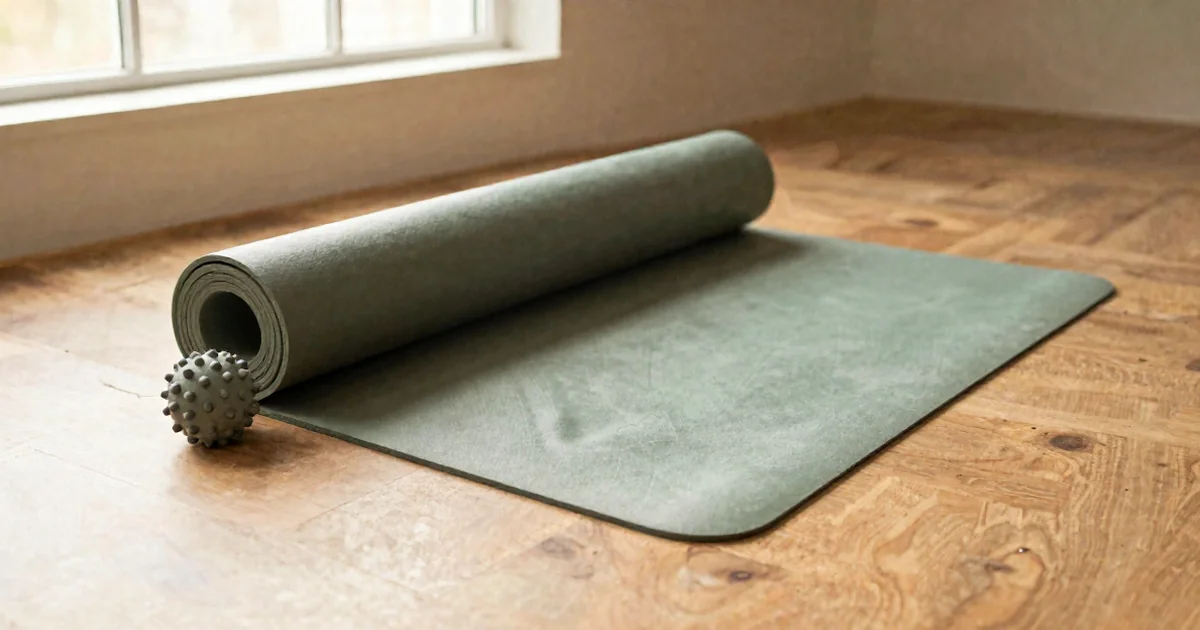
3. Grounding through feet. Stand barefoot and press your feet firmly into the floor. Notice the weight distribution - heel, ball, toes. Slowly shift your weight forward and back, side to side. This activates proprioceptive nerves in your feet that send calming signals to your brain. It works especially well during moments of anxiety or overwhelm. A good quality mat like the Manduka X Yoga Mat (around $50-80) makes floor-based grounding work more comfortable for longer sessions.
4. Body scan with micro-movements. Lie on your back and slowly scan from your toes to the crown of your head. At each area, make tiny, barely perceptible movements - wiggle your toes, rotate your ankles, gently rock your pelvis. These micro-movements wake up areas of the body that have gone numb from chronic tension.
5. Butterfly hug. Cross your arms over your chest so that each hand rests on the opposite shoulder. Alternate tapping left and right, slowly and rhythmically, for 1-2 minutes. This bilateral stimulation activates both hemispheres of the brain and has been used in EMDR therapy for decades. It is surprisingly effective during acute stress or before sleep.
6. Jaw release. Place your fingertips on your jaw joints, just in front of your ears. Open your mouth slightly and let your jaw hang heavy. Gently massage the muscles while breathing slowly. The jaw is one of the primary tension-holding areas in the body, and releasing it can cascade into relaxation through the neck, shoulders, and upper back.
7. Hip circles. Stand with feet slightly wider than hip-width and slowly circle your hips in one direction for 30 seconds, then reverse. Your hip flexors store enormous amounts of tension from both sitting and stress responses. Gentle circles mobilize the pelvic floor and lower back while activating the parasympathetic nervous system.
Adding Tools for Deeper Release
While somatic exercises require no equipment, some tools can help you access deeper layers of held tension. The TriggerPoint GRID Foam Roller (around $35-45) is excellent for slow, mindful rolling along your back, IT band, and hip flexors. The key is to move slowly - faster is not better here. When you find a tender spot, pause and breathe into it for 20-30 seconds.
For more targeted work, the OPTP Posture Ball (around $15-20) lets you apply specific pressure to tight areas in your shoulders, upper back, and glutes. Place it between your body and a wall or the floor and lean gently into it. This combination of pressure and breathing can release tension that stretching alone cannot reach.
Building a Realistic Practice
The biggest barrier to somatic work is overthinking it. You do not need a 30-minute routine or a quiet room. Two minutes of shaking before your morning coffee counts. A jaw release at your desk between meetings counts. Five hip circles while waiting for the kettle to boil counts.
Start with one technique that feels approachable. Practice it daily for a week before adding another. Notice what happens in your body - not what you think should happen, but what actually shifts. Some days nothing will feel different. Other days you might notice your shoulders dropping away from your ears or your breath deepening without effort.
The point is not perfection. It is giving your body regular opportunities to let go of tension it has been holding automatically. Over time, these small moments of release add up to a nervous system that spends less time in survival mode and more time in a state where rest and recovery are actually possible.
Lifestyle advice should be adapted to individual circumstances and values.
Explore more lifestyle tips at TopicNest Lifestyle.
TopicNest
Contributing writer at TopicNest covering lifestyle and related topics. Passionate about making complex subjects accessible to everyone.