Table of Contents
Cold minimalism had its moment - all-white rooms, bare surfaces, and the anxiety of keeping everything perfectly sparse. But for many people, those spaces felt more like showrooms than homes. The backlash has produced a more human approach: warm minimalism, which keeps the benefits of simplified living while adding texture, warmth, and comfort.
The concept is straightforward. Own less, but make what you own feel good. Choose natural materials over industrial ones. Favor warm neutrals over stark whites. The result is a space that breathes without feeling empty.
What Warm Minimalism Actually Looks Like
Warm minimalism is not about following specific rules. It is about principles that guide decisions:
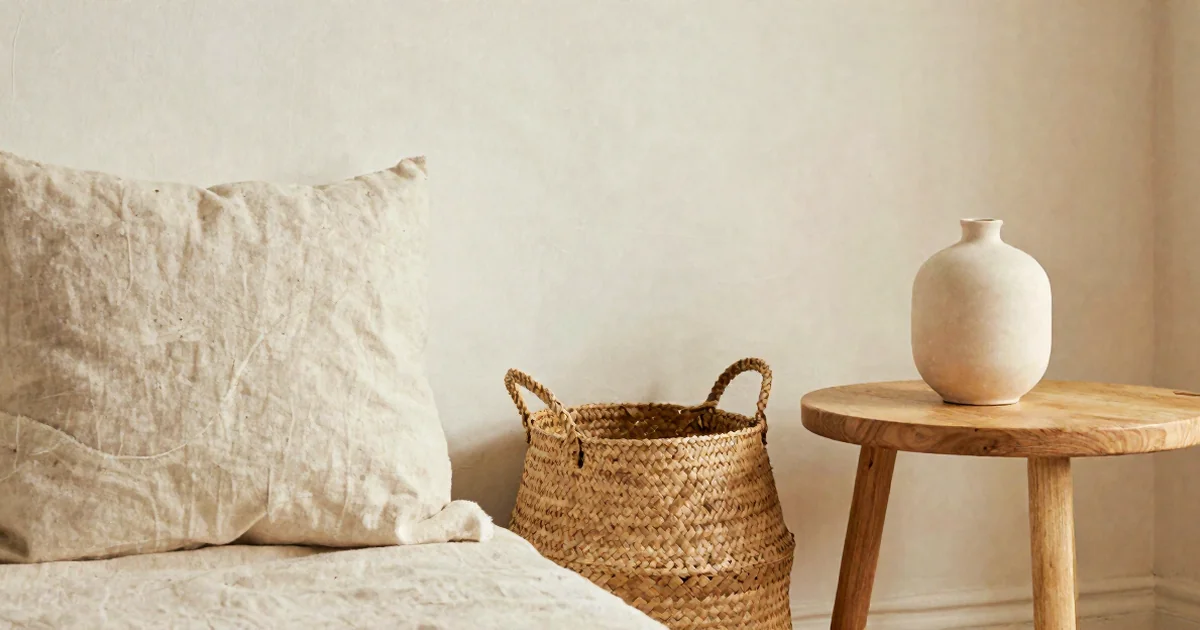
Fewer items, higher quality. Instead of filling shelves with decorative objects, choose two or three pieces you genuinely love. A single handmade ceramic vase contributes more to a room's character than ten mass-produced decorations.
Natural materials over synthetic. Wood, stone, linen, wool, rattan, and clay replace plastic, chrome, and acrylic. These materials age well, develop patina, and create visual warmth that synthetic materials cannot replicate.
Warm neutrals over stark whites. Think cream, sand, oatmeal, terracotta, warm grey, and sage rather than pure white and black. These tones create a sense of warmth without introducing visual clutter through bright colors.
Texture over pattern. Where cold minimalism favored smooth, uniform surfaces, warm minimalism embraces texture - a chunky knit throw, a woven basket, a rough-hewn wooden bowl. Texture adds visual interest without adding objects.
Room-by-Room Approach
Living Room
Start with the surfaces. If every flat surface has items on it, the room feels cluttered regardless of how few items you own. Clear surfaces first, then add back one or two intentional items per surface.
A single plant, a stack of two books you are actually reading, or a candle creates more visual calm than a curated collection of objects. Deco 79 Seagrass Storage Baskets (around $40-55 for a set of 3) work well for containing items that need to be accessible - blankets, magazines, remote controls - without leaving them visually scattered.
For lighting, warm-toned bulbs (2700K or lower) make the biggest single impact. Swap cool white bulbs for warm ones and the entire room feels different. Pure Beeswax Pillar Candles (around $20-25 for a 6-pack with 210 hours of burn time) add ambient warm light without synthetic fragrance.
Bedroom
The bedroom benefits most from warm minimalism because it directly affects sleep quality. Research consistently shows that visually calm environments promote better sleep onset.
Keep the nightstand to essentials - a lamp, a book, perhaps a glass of water. Store everything else in drawers or closets. If you do not use it every night, it does not need to be visible.
Invest in quality bedding in warm neutral tones. Linen sheets develop a soft texture over time that cotton cannot match, and the slightly rumpled look of linen fits the warm minimalist aesthetic naturally.
Kitchen
The kitchen is where warm minimalism becomes most practical. Clear countertops make cooking easier and cleaning faster. Keep only daily-use items on the counter - kettle, cutting board, salt and pepper. Everything else goes in cabinets.
StorageWorks Seagrass Hyacinth Baskets (around $15-25, hand-woven from renewable materials) work well for organizing pantry items, produce, or cleaning supplies while adding visual warmth to open shelving.
Bathroom
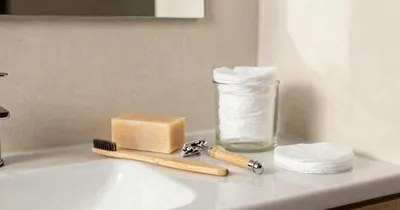
Apply the same principle: visible items should be limited to daily essentials. A single soap dispenser, a small plant (pothos thrives in bathroom humidity), and neatly folded towels in warm tones create a spa-like feeling without spending spa-level money.
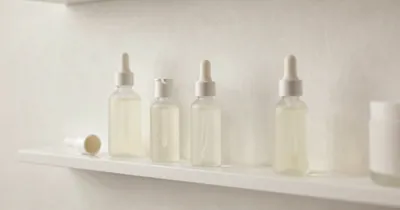
Decant products from colorful plastic bottles into uniform containers. This single change dramatically reduces visual chaos.
Building Your Palette
The warm minimalist color palette typically centers on three to four tones:
| Role | Example Tones |
|---|---|
| Base (walls, large furniture) | Warm white, cream, light oatmeal |
| Secondary (textiles, accents) | Sand, sage, warm grey, terracotta |
| Accent (small details) | Rust, deep green, navy, charcoal |
| Natural materials | Raw wood, rattan, linen, stone |
Keep the base light and the accents muted. The goal is harmony rather than contrast. If a new item feels visually "loud" in the space, it probably does not fit the palette.
Plants as Design Elements
Living plants are central to warm minimalism because they introduce organic shapes, color variation, and texture that man-made objects cannot replicate. But minimalism means restraint - two or three well-placed plants contribute more than fifteen crowded onto a shelf.
Low-maintenance options that suit minimalist interiors:
- Snake plant - architectural form, thrives on neglect, purifies air
- Pothos - trailing plant that works on shelves, very forgiving
- ZZ plant - glossy leaves, tolerates low light, watering every 2-3 weeks
- Rubber plant - bold leaves, warm tones as it matures
The Anti-Accumulation Mindset
The biggest challenge with warm minimalism is not creating the initial look - it is maintaining it. Consumer culture constantly introduces new items, and the gap between "I like this" and "I need this" is easy to collapse.
A useful filter: before buying anything for your home, ask whether it replaces something or adds to the total. If it adds, what will you remove to maintain balance? This simple question prevents the gradual accumulation that transforms minimalism back into clutter.
Common Mistakes
- Going too minimal too fast. Removing everything at once creates spaces that feel cold and uncomfortable. Remove gradually and notice how each change affects the room's feeling
- Matching too precisely. Warm minimalism looks best with slight variation - different wood tones, mixed textures, imperfect items. Showroom-perfect matching feels sterile
- Ignoring comfort. A minimal sofa that nobody wants to sit on defeats the purpose. Comfort is not clutter
- Treating it as a trend to complete. Warm minimalism is an ongoing practice, not a project with a finish date
Lifestyle advice should be adapted to individual circumstances and values.
Explore more practical lifestyle tips at TopicNest Lifestyle.
TopicNest
Contributing writer at TopicNest covering lifestyle and related topics. Passionate about making complex subjects accessible to everyone.