Why Oil Traders Think Differently in Crisis
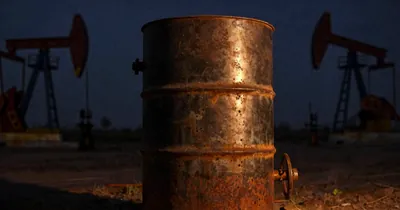
Oil spiked 8-9% on Iran strikes in March 2026. Here is how commodity traders read geopolitical risk differently from equity traders - and why that matters.
Browse all articles tagged with #market-structure. Content spans across multiple categories.
Oil spiked 8-9% on Iran strikes in March 2026. Here is how commodity traders read geopolitical risk differently from equity traders - and why that matters.
Crypto markets never close. Here is what that means for risk management, weekend volatility, and portfolio decisions compared to traditional markets.
When fear enters the market, liquidity evaporates, spreads widen, and execution changes completely. An observational look at market microstructure under stress.
Head and shoulders, double tops, triangles - traders learn patterns then wonder why they fail. Charts don't lie, but pattern recognition has limits context reveals.
Technical analysis creates the illusion that markets are predictable systems. Understanding why charts can't predict black swans matters more than perfecting patterns.
Professional traders enter before retail signals confirm. Understanding how pros read pre-confirmation price behavior creates timing advantages.
Retail sentiment data reveals when crowds reach extremes. Contrarian positioning works not because crowds are wrong, but because they are late.
Bitcoin whales control 14-36% of supply. Recent $19B liquidation cascades expose fragility. How whale concentration creates systemic market risks beyond simple price impact.
Institutions now hold 8-13% of Bitcoin supply. While this brings legitimacy, it introduces centralization risks, whale manipulation, and custody vulnerabilities few discuss.
Most traders try to predict where price will go. Better traders respond to where price is going. The difference matters more than you think.