Table of Contents
TSA PreCheck and Global Entry Worth
TSA PreCheck costs $78 for five years ($15.60/year) and saves significant time at US airports. PreCheck lanes skip shoe removal, belt removal, and laptop unpacking. Lines typically run 5-10 minutes versus 20-45 minutes in standard security.
Global Entry costs $100 for five years and includes TSA PreCheck plus expedited US customs. International travelers to US benefit from Global Entry automated kiosks. Application requires interview at enrollment center and background check processing takes 2-4 weeks.
Liquids and Gels Reality
3.4oz (100ml) liquid limit applies per container, not total volume. Ten 3oz containers in quart bag passes security. One 4oz container fails even with room in bag. Airport security focuses on container size, not actual liquid volume inside.
Ziploc quart bags work as well as fancy TSA-approved bags. One quart bag per passenger strictly enforced. Forgetting to remove liquids bag causes secondary screening and delays. Placing bag on top of carry-on before security prevents this.
Electronics Screening Differences
US airports require removing laptops and tablets from bags. European airports increasingly allow electronics to remain in bags with newer screening technology. Asian airports vary by country and airport modernization level.
Powerbanks and batteries must go in carry-on, never checked luggage. Batteries over 100Wh require airline approval. Most phone and laptop powerbanks run 20,000-27,000mAh (72-99Wh) and pass without issues. Gaming laptop batteries sometimes exceed limits.
Prohibited Items People Forget
Lighters allowed in carry-on (one per passenger) but not checked bags. Matches prohibited entirely in some countries. Multi-tools with blades under 2.4 inches sometimes pass but enforcement varies by screener.
Food generally allowed through security but liquids rules apply to yogurt, jam, peanut butter. Solid foods like sandwiches, fruit, and snacks pass without issues. Some countries prohibit bringing certain foods like fresh fruit or meat products.
Random Selection and Secondary Screening
SSS (Secondary Security Screening Selection) on boarding pass triggers additional screening. Random algorithm selection, one-way tickets, cash purchases, and various security criteria cause SSSS designation. No way to prevent random selection.
Secondary screening adds 10-30 minutes to security process. Full pat-down and thorough bag search standard procedure. Arguing or complaining extends process further. Arriving extra early for international flights prevents missing flights due to SSSS.
International Airport Differences
European airports often require additional passport check before reaching gates. Schengen zone flights skip this check between member countries. Non-Schengen flights within Europe require passport control.
Asian airports frequently require security screening both at main entrance and again at each gate. Budget terminals (AirAsia, Jetstar gates) sometimes have separate security. Gate security checks mean keeping liquids accessible throughout airport.
Carry-On Size Enforcement
Budget airlines strictly enforce carry-on size and weight. Ryanair, Spirit, and Frontier measure bags frequently and charge gate-check fees $50-75. Legacy carriers enforce less strictly but overhead bin space limitations force gate checks during full flights.
Carry-on sizers near check-in and gates allow self-checking bag dimensions. Overstuffed bags fail sizers even when dimensions technically comply. Compression packing cubes help maintain bag shape and dimensions.
Document Organization
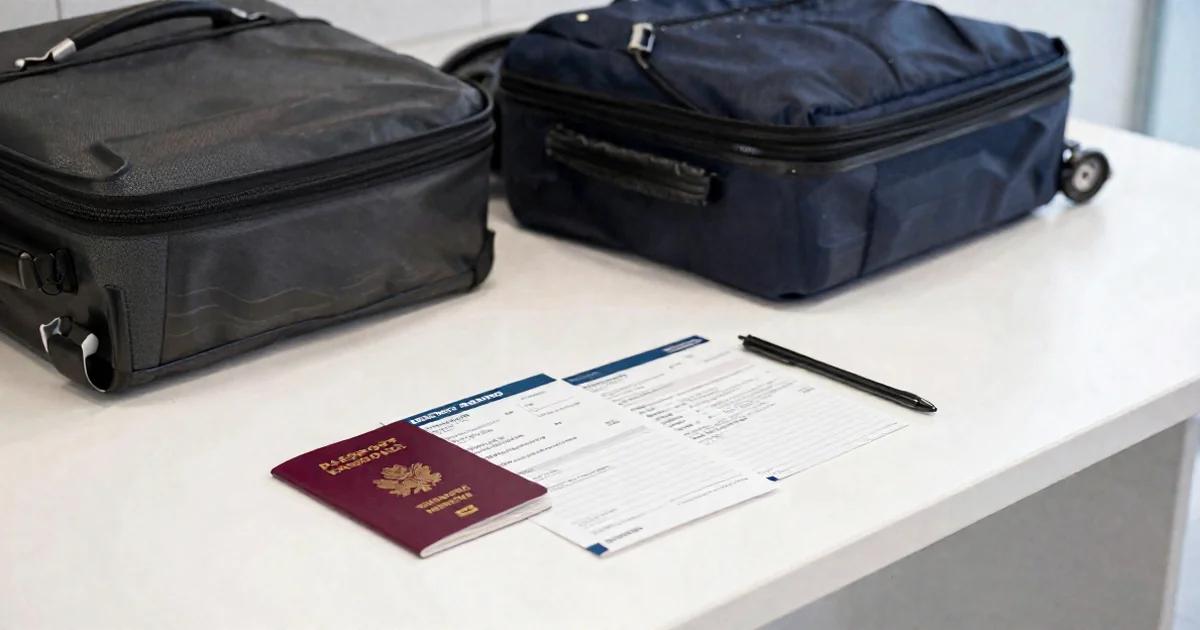
Passport, boarding pass, and customs forms need quick access at multiple checkpoints. Phone holders or passport wallets keep documents together. Digging through bags at security and immigration creates delays and stress.
Photocopying passport and storing separately helps if original gets lost or stolen. Email copies to self for access anywhere. Some countries require showing proof of onward travel - having return flight confirmation accessible prevents entry issues.
Arrival Immigration Efficiency
Filling out customs forms on plane saves time at immigration. Many countries now offer electronic customs declarations through apps or airport kiosks. Knowing accommodation address prevents delays at immigration when asked where staying.
Visa requirements vary by nationality. Checking visa requirements months before travel prevents last-minute stress. Some countries require visa applications 4-6 weeks in advance. Visa-on-arrival countries need correct payment (often USD cash) ready.
Lost Luggage Prevention
Photographing checked luggage before travel helps identify bags and proves ownership if lost. Removing old airline tags prevents bags getting routed to wrong destinations. Placing contact info inside bags helps airlines return lost luggage.
Checking bag tracking through airline apps shows if luggage made connecting flights. Short connections under 60 minutes risk missed bag transfers. Building in longer layovers prevents lost luggage stress.
Ready for Smooth Airport Experience?
Airport security moves faster with preparation and understanding screening requirements. Organizing carry-on with liquids and electronics easily accessible prevents delays. Arriving with appropriate buffer time (2 hours domestic, 3 hours international) eliminates stress.
More travel logistics planning at TopicNest Travel - practical advice that works.
TopicNest
Contributing writer at TopicNest covering travel and related topics. Passionate about making complex subjects accessible to everyone.