Table of Contents
Immediate Actions at Airport
Wait at baggage claim for at least 30 minutes after flight arrival. Late bags often appear. Baggage systems sometimes delay specific bags while delivering others quickly. Your bag might arrive 15-20 minutes after the first bags.
Check the flight number on display matches your flight. Wrong carousel is common. Large airports have multiple carousels operating simultaneously. Verify you're at the correct location.
Report missing baggage immediately at airline's baggage service desk before leaving the airport. Don't go to your hotel hoping bags appear later. Airlines require same-day reporting for compensation eligibility.
Get a Property Irregularity Report (PIR) with reference number. This is essential for any claims. The PIR number tracks your bag through the airline system and serves as proof for reimbursement claims.
Photograph your PIR and receipt. Keep digital copies accessible from your phone. Physical papers get lost during trips.
What Information to Provide
Baggage tag number from your check-in receipt. This number connects your bag to you in airline systems. Without it, finding your bag becomes extremely difficult.
Detailed bag description (color, brand, size, distinguishing marks). Don't say "black suitcase" - millions match that description. Note specific characteristics: stickers, colored ribbons, dents, patches, or unique features.
Contents description including value of items. List expensive items specifically. Generic "clothing" doesn't help claims. Note "laptop €800, camera €400, leather jacket €200."
Local contact details (hotel name, phone number). Provide current location information. Airlines deliver recovered bags to your specified address.
Delivery address if different from accommodation. If changing hotels mid-trip, update contact information with the airline.
Delayed vs Lost Luggage
Delayed: Bag is in airline system but on wrong flight. Usually delivered within 24-48 hours. Most "lost" bags are actually delayed. Airlines track them and arrange delivery.
Lost: Bag location unknown. Airlines search for 5-21 days before declaring it permanently lost. True lost bags represent minority of cases. Most delayed bags appear within 96 hours.
Damaged: File report immediately if bag arrives damaged. Later claims are difficult. Take photos of damage at the airport before leaving. Structural damage, broken wheels, or torn fabric all qualify.
Pilfered: If contents are missing or bag arrives opened, report immediately. Airlines have specific procedures for theft claims requiring same-day reporting.
Your Rights and Compensation
Airlines must compensate reasonable expenses for delayed bags (toiletries, clothing) up to limits. EU261 regulations and Montreal Convention establish minimum compensation standards.
Keep all receipts for purchases. Airlines reimburse based on receipts within reasonable limits. No receipts means no reimbursement. Photograph receipts immediately as thermal paper fades.
Montreal Convention limits airline liability to approximately €1,400 per passenger for lost baggage. This ceiling applies regardless of actual contents value. Travel insurance covers amounts exceeding airline liability.
EU passengers have stronger rights than some other jurisdictions. EU regulations often exceed Montreal Convention minimums.
What Airlines Must Cover
Essential toiletries (toothbrush, toothpaste, shampoo, deodorant). Replacements for items needed immediately. Budget €20-40 for basic toiletries.
Basic clothing items for immediate needs (underwear, shirt, socks). Replace items needed before your bag returns. Budget €50-100 for essentials depending on trip length and climate.
These purchases must be reasonable. Designer clothes won't be reimbursed. Buy basic, functional items from mid-range retailers. H&M and Zara purchases get approved; Gucci doesn't.
Medication replacements if packed in checked bags. Airlines cover pharmacy costs for replacing essential medications. This reinforces why critical medications belong in carry-on.
What to Buy While Waiting
Only purchase essentials you need immediately. Airlines reimburse within reason. Don't buy items you don't truly need for the next 24-48 hours.
Budget items work fine. €200 worth of basics is reasonable; €800 shopping spree isn't. Cheap underwear serves the same function as expensive brands.
Keep receipts organized in one place. You'll need them for reimbursement. Use your phone to photograph all receipts immediately. Store physical receipts in one envelope.
If bags arrive within 6-12 hours, minimize purchases. You might not need much if bags arrive your first evening.
Tracking Your Bag
Use airline's online tracking system with your PIR reference number. Most airlines provide real-time updates showing bag location and expected delivery time.
Call baggage service daily for updates if tracking isn't available. Some airlines still use phone-only systems. Morning calls get better response than afternoon.
Most delayed bags arrive within 48 hours. After 5 days, likelihood of recovery decreases. Statistics show 85% of delayed bags return within 48 hours, 95% within 5 days.
Update your location information if changing hotels. Airlines can't deliver if they don't know where you are.
When Bags Are Permanently Lost
File a claim for full bag value including contents. Airlines request itemized lists with proof of ownership for valuable items.
Provide receipts for valuable items. Airlines pay depreciated value without receipts. A two-year-old laptop worth €800 new might get valued at €400-500 depreciated.
Settlement negotiations can take weeks or months. Document everything. Initial offers often undervalue claims. You can negotiate upward with proper documentation.
Travel insurance covers amounts exceeding airline liability limits. If your €3,000 worth of contents exceeds the €1,400 airline limit, insurance fills the gap.
Prevention Strategies
Use distinctive luggage tags and ribbons to spot bags easily. Bright-colored ribbons or unique luggage tags make your bag identifiable among hundreds of black suitcases.
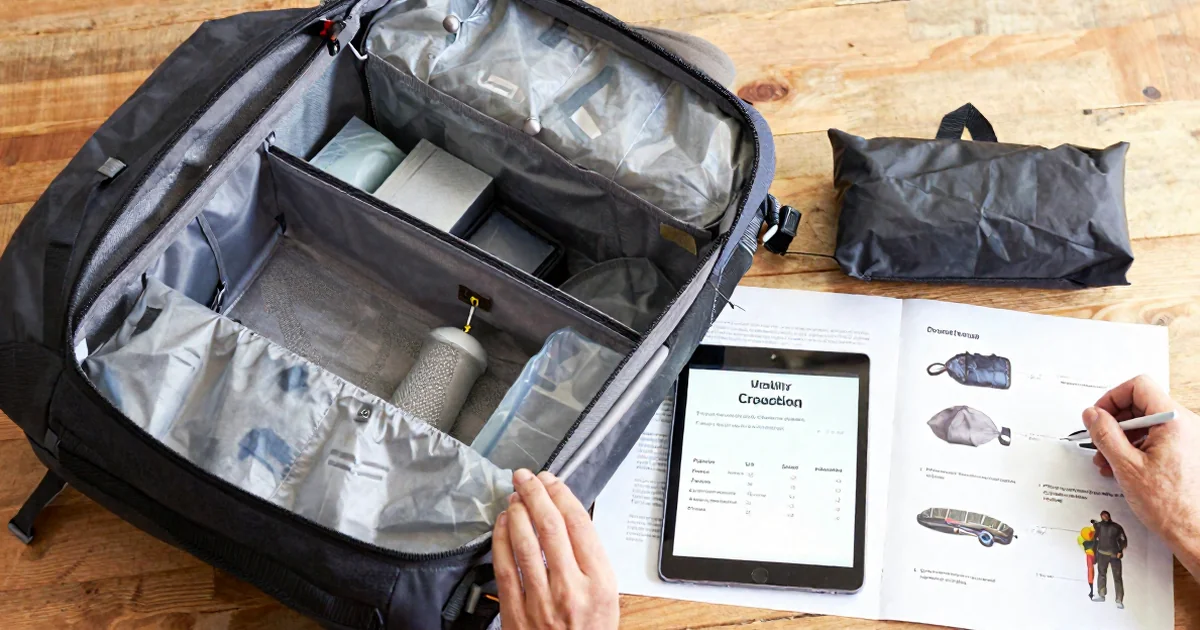
Take photos of packed bags and contents for insurance claims. Before each trip, photograph your suitcase exterior and open suitcase showing contents. These photos prove ownership and contents for claims.
Pack essentials (medications, documents, change of clothes) in carry-on. Never check items you can't afford to lose or can't replace easily. Medications, valuables, and one change of clothes belong in carry-on.
AirTags or Tile trackers help locate lost bags independent of airline systems. These devices show bag location via your phone, sometimes revealing bags sitting in wrong airports or on wrong flights before airlines admit it.
Tight Connections
Bags often miss tight connections under 60-90 minutes. They follow on the next flight. Your luggage takes time to transfer between planes. Connections under one hour frequently separate passengers from bags.
Book longer connections when possible to reduce bag delay risk. 90-120 minute connections give baggage handlers adequate transfer time. This prevents most bag delays.
If you barely make a connection, expect bags might not. Rushing through airports means you made the flight but your bags probably didn't.
Airlines usually deliver missed-connection bags to your final destination within 24 hours. Report the delay at your destination even though you know what happened.
International vs Domestic Flights
International flights have higher bag loss rates than domestic. Multiple airlines, transfers, and customs inspections create more delay opportunities.
Customs inspections occasionally delay bags. Random inspections can hold bags for hours. This especially affects first-time visitors to strict customs countries.
Connecting between airlines increases risk. Bags transferring between partner airlines face higher delay rates than single-airline journeys.
Claims Process
Submit claims within time limits (typically 7-21 days for damage, 21 days for delay). Different damage types have different claim windows. Check your airline's specific requirements.
Provide all documentation: PIR, receipts, photos, flight details. Complete claims including every requested document get processed faster.
Follow up regularly. Claims don't process themselves. Call or email weekly for status updates.
Escalate to airline customer service supervisors if initial claims get denied unreasonably. First-level agents often deny legitimate claims. Supervisors have authority to override.
TopicNest
Contributing writer at TopicNest covering travel and related topics. Passionate about making complex subjects accessible to everyone.