Table of Contents
Affiliate Disclosure: This article contains affiliate links. We may earn commission from qualifying purchases at no cost to you.
Internet Reliability Requirements
Video calls require 3-5 Mbps upload minimum for stable quality. Most accommodation WiFi provides adequate download speeds but upload often lags. Testing speed before booking long-term stays prevents connectivity frustration.
Backup internet connection essential for important meetings. Phone hotspot provides emergency backup when accommodation WiFi fails. eSIM data plans from yesim, airalo, or saily work across 200+ countries without physical SIM swaps. Installing eSIM before departure ensures connectivity on arrival.
Workspace Quality
Hostel common areas work for casual work but lack privacy for calls. Dedicated desk and chair in accommodation beats working from bed or couch. Proper ergonomics matter more for multi-month stays than weekend trips.
Coworking spaces provide reliable internet, desks, and professional atmosphere. Day passes run $5-15 in Southeast Asia, $15-30 in Europe, $20-40 in expensive cities. Monthly memberships ($100-300) make sense for stays over two weeks.
Time Zone Management
Working across 6+ hour time zones from team requires significant schedule adjustment. European working hours from Southeast Asia means afternoon/evening work. US hours from Europe mean early morning or late night work.
Communicating realistic availability to team prevents constant schedule stress. Some companies require core hours overlap. Others allow full async work. Clarifying expectations before starting nomad life prevents job friction.
Equipment Beyond Laptop
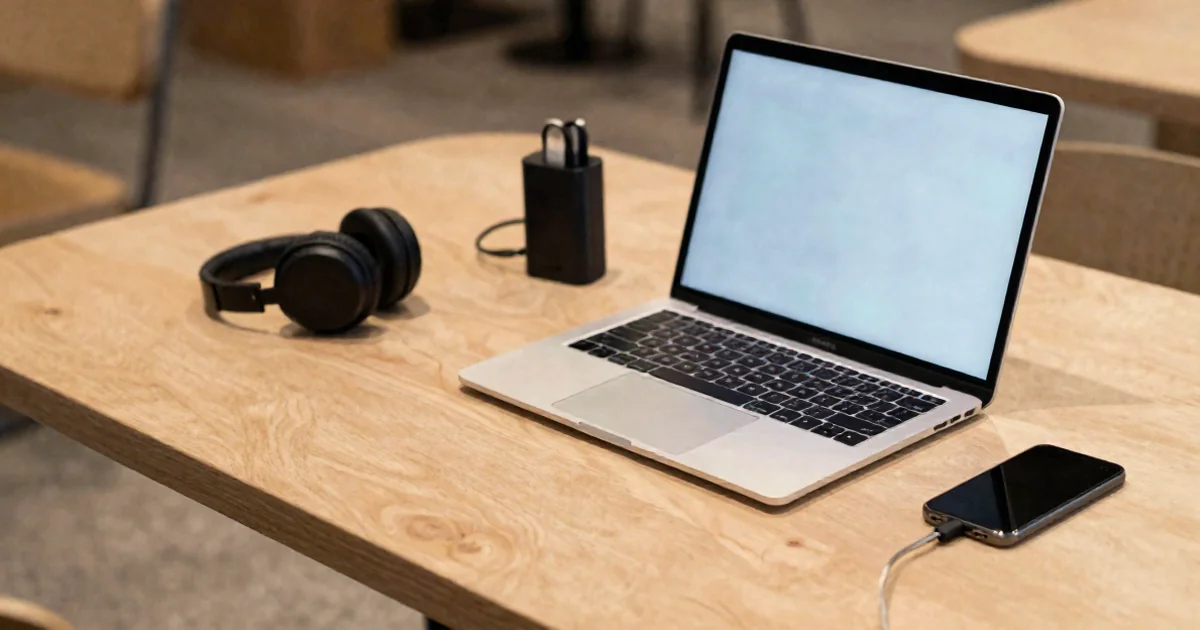
Noise-canceling headphones essential for calls in cafes or coworking spaces. Laptop stand and external keyboard improve ergonomics for extended work sessions. Mouse more comfortable than trackpad for full work days.
USB-C hub expands laptop ports for multiple accessories. Portable monitor doubles screen space for $150-250 and packs relatively flat. Most digital nomads skip monitor for weight/space reasons but productivity benefit significant.
Power and Charging
Universal travel adapter with USB ports charges multiple devices from one outlet. High-wattage powerbank (20,000mAh+) handles laptop emergency charging. Some workspaces lack accessible outlets - portable power provides flexibility.
Countries with frequent power outages (parts of Southeast Asia, South America, Africa) require planning for work during blackouts. Coffee shops and coworking spaces often have generator backup power.
VPN for Security
Public WiFi exposes work data without VPN encryption. Corporate VPNs sometimes block foreign IP addresses. Using VPN service like nordvpn provides security and accesses geo-blocked services.
Banking and payment sites sometimes flag foreign locations as suspicious. VPN connection to home country IP prevents account locks. Notifying banks of travel plans before leaving reduces security friction.
Accommodation Strategy
Short-term rentals (1-4 weeks) cost more than monthly rentals but provide flexibility. Many nomads mix hostel weeks with apartment weeks. Testing city for 1-2 weeks before committing to monthly rental prevents getting stuck in wrong location.
Accommodation WiFi quality varies dramatically. Reading reviews specifically mentioning remote work and internet reliability helps. Contacting hosts to confirm upload speeds before booking prevents surprises.
Productivity in New Environments
Constant location changes disrupt work rhythm. Staying 4+ weeks per location provides stability for productive work. Moving weekly works for vacation but struggles with full-time remote work demands.
Morning work blocks before exploring cities maintains productivity. Treating remote work as actual work instead of extended vacation prevents job performance issues. Some days require choosing between beach and deadline.
Legal Considerations
Tourist visas don't legally permit working in most countries. Digital nomad visas exist in 30+ countries now with specific requirements. Working remotely for foreign company on tourist visa falls in legal grey area most countries don't enforce.
Tax residency gets complicated for long-term nomads. 183-day rule in many countries determines tax residency. Consulting tax professional before starting prevents unexpected tax bills. Some nomads maintain home country residency, others establish residency elsewhere.
Health and Routine
Regular exercise routines get disrupted by travel. Bodyweight workouts, running, or gym day passes maintain fitness. Sitting in cafes all day feels less healthy than office environment with standing desk options.
Cooking healthy meals harder in hostel kitchens or without kitchens. Eating out daily gets expensive and unhealthy. Choosing accommodation with functional kitchen supports better eating habits.
Ready for Digital Nomad Life?
Remote work while traveling requires more planning than vacation travel. Reliable internet, productive workspace, and time zone management form foundation for sustainable nomad life. Staying 4+ weeks per location balances work productivity with travel experiences.
More remote work and travel at TopicNest Travel - practical advice for working travelers.
Disclaimer: Travel information changes frequently. Verify details before booking. Travel involves risk.
TopicNest
Contributing writer at TopicNest covering travel and related topics. Passionate about making complex subjects accessible to everyone.