Table of Contents
Understanding eSIM Technology
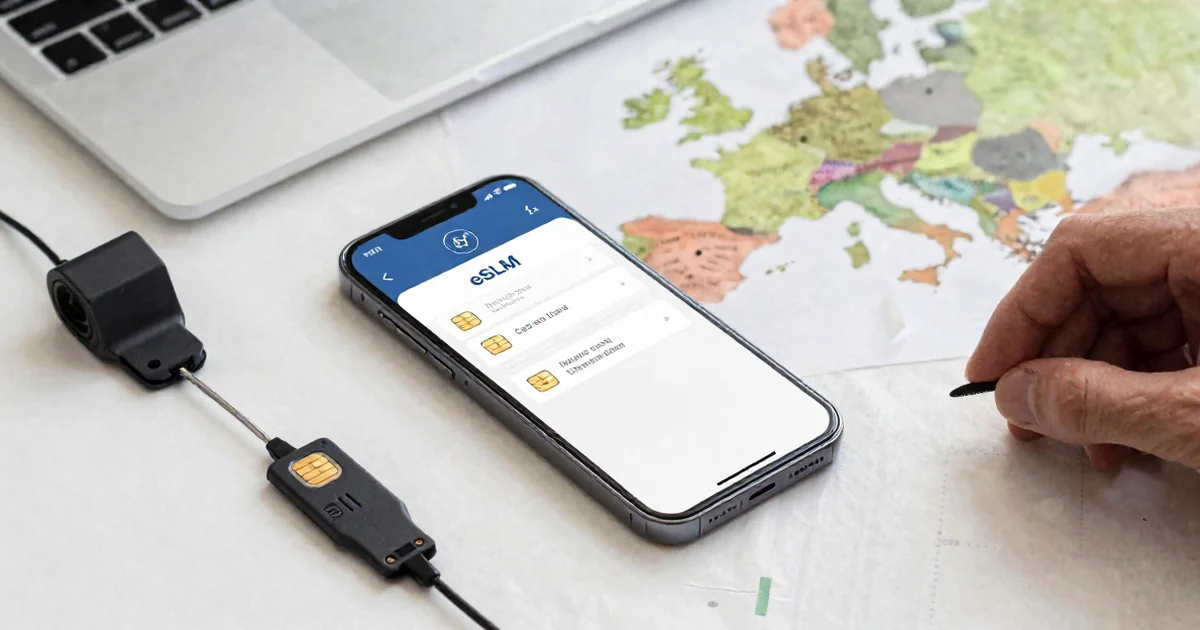
eSIM (embedded SIM) allows you to activate cellular service without a physical card. Your phone downloads the carrier profile digitally, switching between networks as needed.
Most phones from 2019 onwards support eSIM. Check your device compatibility before purchasing plans. iPhones from XS/XR onwards and most recent Android flagships work.
The technology itself is straightforward, but the market is fragmented. Dozens of providers offer similar-looking plans with significant quality differences. Price alone doesn't indicate value.
Data Needs Assessment
Estimate your daily data usage. Light users (maps, messaging) need 500MB-1GB daily. Moderate users (social media, photos) need 2-3GB daily. Heavy users (video calls, streaming) need 5GB+ daily.
One week in Europe typically requires 7-15GB for moderate use. Two weeks needs 15-30GB. Buy slightly more than needed as top-ups cost more per GB.
Track your current mobile data usage for a week before traveling. Multiply by 1.5 to account for increased navigation, photo uploads, and research while traveling. This gives a realistic baseline.
WiFi availability reduces data needs. Hotels and cafes offer free WiFi, but public networks come with security risks. A VPN adds protection but increases data consumption by 10-20%.
Coverage Quality Differences
eSIM providers use different local networks. Some partner with premium carriers, others use budget networks with limited rural coverage.
Check which network your eSIM uses in each country. Coverage in major cities is generally good across all providers, but rural areas show bigger differences.
Providers rarely advertise which local networks they use. Research user reviews for your specific destinations. A provider with excellent coverage in France might perform poorly in Portugal.
Network priority matters during congestion. Some eSIM partnerships get lower priority than native customers during peak times. Your connection works but slows significantly when towers are busy.
Regional vs Country-Specific Plans
Europe-wide plans cost more per GB but offer convenience for multi-country trips. They typically cover 30+ countries with a single data pool.
Country-specific plans provide better value if you're staying in one place. They often include more data for the same price as regional plans.
Multi-country trips need careful calculation. Visiting three countries for a week each? Compare buying three separate country plans versus one regional plan. The regional plan usually wins despite higher per-GB costs.
Some regional plans have per-country usage limits. A 20GB plan might cap usage at 5GB per country. Spending two weeks in Spain and two days in France? You'll hit the Spain limit with data left unused.
Plan Validity Periods
Most eSIM plans activate when you first connect to a network, not when purchased. Buy plans just before departure to maximize validity.
7-day and 30-day plans are most common. Check if unused data rolls over or expires. Some providers offer data pools that last 6-12 months.
Validation periods are strict. A 7-day plan means exactly 168 hours from first connection. Landing at 11pm means your first day is nearly wasted. Consider arrival timing when choosing plan duration.
Some providers offer data-based rather than time-based validity. A 10GB plan lasts until you use all 10GB or reach maximum validity (often 30-90 days). These work better for sporadic use.
Setup and Activation Process
Download your eSIM profile before leaving home while on WiFi. This prevents issues with activation abroad. Save the QR code or activation details in your photos.
Keep your home SIM active for calls and messages while using eSIM for data. Configure your phone to use eSIM for cellular data only.
The installation process takes 2-5 minutes but requires stable internet. Airport WiFi often has captive portals that interfere with eSIM downloads. Complete setup at home or your hotel.
iOS and Android have different setup paths. iPhone users scan QR codes through Settings > Cellular > Add eSIM. Android varies by manufacturer but generally uses Settings > Network > SIM cards > Download SIM.
Common Setup Mistakes
Forgetting to enable data roaming on the eSIM line prevents connection. Both eSIM and data roaming must be enabled in settings.
Not disabling cellular data on your home SIM can result in unexpected charges. Turn off data for your primary SIM completely.
Many travelers enable roaming on their home SIM thinking they need it for the eSIM to work. This is wrong and expensive. Enable roaming only on the eSIM line.
Deleting the eSIM profile after your trip makes it unusable even if data remains. Some providers allow reinstallation, others don't. Keep the profile until all data expires.
Cost Comparison Reality
Prices range from €3-10 per GB for European eSIMs. Compare total cost including data amount, not just the per-GB rate.
Budget eSIM providers offering 10GB for €5 often use slower networks or have poor rural coverage. Premium providers at €8-12 per GB typically offer better service quality.
The cheapest option isn't always the worst. Some budget providers partner with major networks and offer legitimate value. However, several use networks that deprioritize data traffic.
Calculate effective cost per usable GB. A €5 plan with throttled speeds that makes video calls impossible isn't cheaper than a €10 plan with full speed. Consider what you'll actually be able to do with the connection.
Provider Recommendations
Established providers like Airalo, Holafly, and Nomad offer reliable service with responsive support. They cost more but handle issues quickly.
Newer providers often have aggressive pricing but limited support infrastructure. Fine if everything works, frustrating when it doesn't.
Check refund policies before buying. Some providers offer no refunds even if the eSIM doesn't activate. Others provide full refunds within 24 hours of purchase if unused.
User reviews on App Store and Google Play reveal service quality better than provider websites. Look for recent reviews specific to your destination countries.
TopicNest
Contributing writer at TopicNest covering travel and related topics. Passionate about making complex subjects accessible to everyone.