Table of Contents
Affiliate Disclosure: This article contains affiliate links. We may earn commission from qualifying purchases at no cost to you.
Accommodation Security Basics
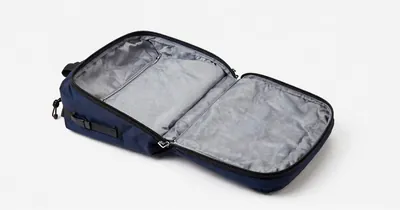
Hostel lockers essential for valuables and passport. Bring own padlock - hostel-provided locks sometimes opened by master keys or picked easily. Keeping passport, extra cash, and backup cards locked up prevents theft.
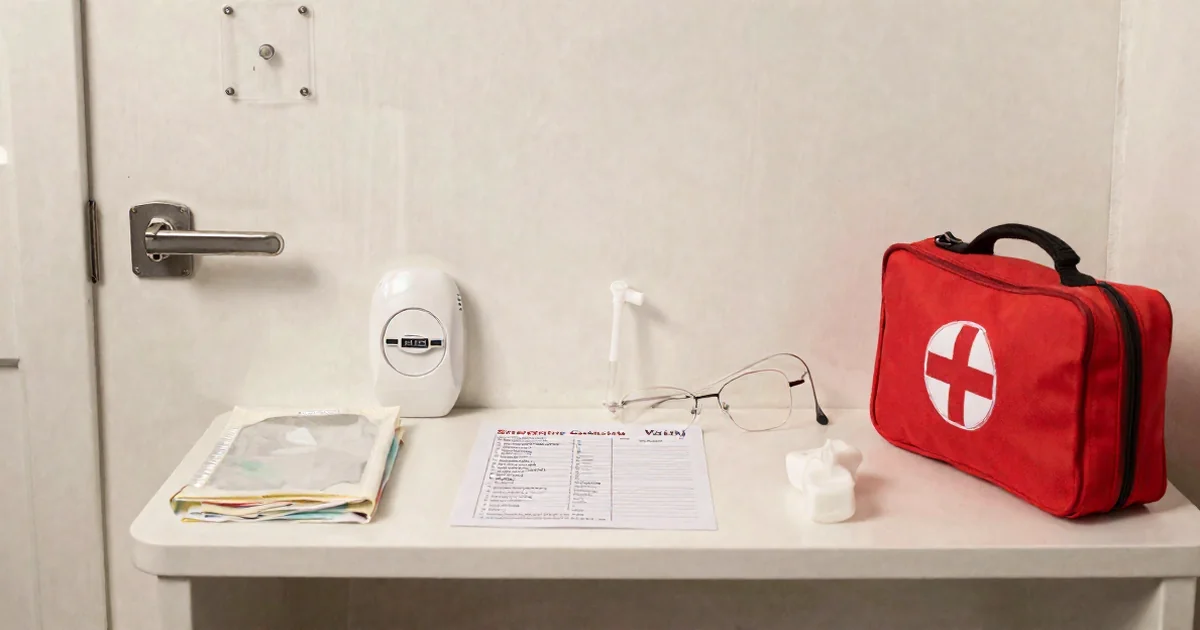
Private room door locks vary in quality. Portable door locks or door wedges add security in questionable accommodations. Ground floor rooms with windows facing street carry higher break-in risk than upper floors.
Luggage storage services like radical_storage provide secure alternatives to leaving bags at accommodation when checking out early or arriving before check-in. Storing bags at verified businesses beats carrying everything while exploring.
Meeting Other Travelers
Hostel common areas and walking tours provide natural solo traveler meeting opportunities. Joining others for meals or activities reduces solo visibility and increases safety. Most solo travelers open to joining groups.
Booking group activities through platforms like klook connects solo travelers with organized tours where meeting others happens naturally. Shared experiences create instant conversation topics and potential travel companions.
Trusting new friends too quickly creates vulnerability. Keeping valuables secure even around new travel friends prevents opportunity theft. Most travelers honest but some specifically target trusting tourists.
Public WiFi Security
Public WiFi at cafes, hotels, and airports allows anyone on same network to intercept data. Using VPN services like nordvpn encrypts internet connection, protecting passwords and personal information from WiFi snooping.
VPN particularly important when accessing banking or booking flights on public networks. Monthly VPN subscription costs less than one compromised transaction. Many travelers maintain VPN subscription specifically for travel security.
Public Transport Awareness
Ride-sharing apps (Uber, Grab, Bolt) provide safer alternative to street taxis in many countries. Apps track route and driver information. Sharing ride details with friend or accommodation adds accountability.
Night buses and trains require extra awareness. Keeping bags secured to body or seat prevents theft while sleeping. Valuables in front pocket or money belt instead of backpack. Upper bunks harder to access for thieves than lower bunks.
Walking at Night
Well-lit main streets safer than dark side streets. Walking confidently with purpose rather than looking lost and confused reduces target appearance. Phone out for navigation flags tourist status - memorizing basic route before leaving helps.
Evening curfew varies by destination. Some cities perfectly safe at night, others dangerous after dark. Reading recent reviews and asking locals about safe walking times prevents problems.
Common Solo Traveler Scams
Friendship bracelet scam: someone ties bracelet on wrist then demands payment. Keeping hands in pockets prevents this. Fake police asking to see wallet - real police don't randomly check tourist wallets.
Distraction teams: one person spills something or asks question while partner pickpockets. Awareness of surroundings prevents distraction success. Taxi meter broken claims - agreeing on price before entering or using ride apps prevents overcharging.
Drinking Alone Considerations
Hostel bar scenes provide social drinking environments safer than solo bar-hopping. Watching drink at all times prevents tampering. Bringing drink to bathroom or ordering fresh drink safer than trusting unattended glass.
Alcohol significantly reduces awareness and decision-making. Limiting intake while solo maintains alertness. Drunk solo travelers make easy targets for theft or worse. Waiting to drink heavily until trusted friends present reduces risk.
Sharing Location and Itinerary
Telling family or friends general itinerary and checking in regularly provides safety net. If contact stops, someone knows last location. Apps allowing location sharing with specific people provide real-time tracking.
Oversharing on social media announces empty accommodation. Posting after leaving location rather than advertising current whereabouts prevents broadcasting vulnerability. Many travelers announce location after moving on.
Emergency Contacts and Documents
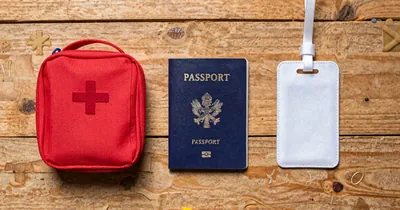
Saving emergency contacts in phone and writing on paper covers phone loss or death. Embassy contact numbers, accommodation addresses, emergency local numbers. Some travelers carry card with emergency info in local language.
Passport and visa photocopies separate from originals. Email copies to self for access anywhere. Some countries accept passport copies for domestic transport and accommodation check-in - keeping original locked up when copy suffices.
Health and Medical Situations
Solo travelers getting sick or injured have no built-in support system. Knowing accommodation staff or other travelers helps when assistance needed. Travel insurance with medical evacuation essential - coordination impossible when incapacitated alone.
Carrying basic medication (pain reliever, anti-diarrheal, antihistamine) handles minor issues without finding pharmacy. Serious issues require medical care - knowing where clinics/hospitals located before emergency prevents crisis navigation.
Trust Versus Paranoia Balance
Constant fear prevents enjoying travel. Most people helpful and honest. Awareness without paranoia achieves safety without misery. Trusting instincts when situation feels wrong often correct.
Some solo travelers, especially women, face additional concerns and harassment. Experiences vary by destination and individual. Reading destination-specific safety information from other solo travelers provides realistic expectations.
Ready for Solo Travel?
Solo travel requires practical awareness without excessive fear. Basic precautions - securing valuables, staying alert, sharing itinerary - prevent most problems. Meeting other travelers in hostels or tours provides social connections and additional security.
More solo travel guidance at TopicNest Travel - practical safety without paranoia.
Disclaimer: Travel information changes frequently. Verify details before booking. Travel involves risk.
TopicNest
Contributing writer at TopicNest covering travel and related topics. Passionate about making complex subjects accessible to everyone.