Table of Contents
Carry-On Size Limits
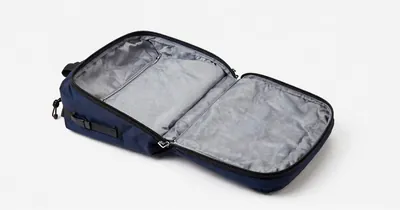
Standard cabin size is 55x40x20cm (21.5x15.5x7.5 inches). Budget airlines enforce strictly while full-service airlines are more lenient. Ryanair and EasyJet measure bags regularly, especially during busy flights when overhead bin space is limited.
Personal items (40x25x20cm) fit under seats. Use this for valuables and items needed during the flight. Laptop bags, small backpacks, or large handbags count as personal items. Combined with your carry-on, you have substantial space.
Weight limits vary from 7-12kg. Pack light as bags are sometimes weighed. Budget carriers strictly enforce 10kg limits and charge €25-50 for overweight bags. Full-service carriers rarely weigh cabin bags unless they appear obviously heavy.
Measure your bag before buying. A 56cm bag fails strict size checks even though it's only 1cm over. Hard-sided bags maintain exact dimensions while soft bags can compress slightly if needed.
Clothing Strategy
Bring 5-7 days of clothes for any trip length. Wear items multiple times and do laundry if staying longer. Most travelers pack far more than needed. You'll likely wear the same comfortable items repeatedly while leaving others untouched.
Choose quick-dry fabrics that don't wrinkle. Merino wool works well for multiple wears without washing. Merino shirts can be worn 3-4 times before needing washing as the fabric naturally resists odors. Synthetic athletic fabrics also dry overnight when hand-washed.
Stick to one or two color schemes. This makes all items mix-and-match. Black, navy, or gray bottoms work with any top. If all your shirts work with your pants, you have more outfit combinations with fewer items.
Layer for temperature flexibility. One warm layer works better than multiple bulky items. A thin down jacket or fleece compresses small but provides significant warmth. Add or remove layers based on weather instead of packing separate outfits for different temperatures.
Pack neutral basics and one or two accent pieces. Five neutral shirts and one colorful item provide variety without bulk. You can wear the same pants or skirt multiple times if you change tops.
Shoes and Bulky Items
Wear your bulkiest shoes (boots, sneakers) on travel days. Pack one lighter pair for walking. Shoes consume disproportionate luggage space. Wearing heavy shoes saves precious bag space.
Two pairs of shoes (wearing one, packing one) suffice for most trips. More than this wastes space. One comfortable walking shoe and one dressier option covers all situations. Sandals or light shoes pack flatter than sneakers.
Wear or carry heavy items like jackets rather than packing them. Carry your winter coat onto the plane rather than stuffing it in your bag. Airlines don't count clothing you're wearing toward size limits.
Compression bags help reduce bulky item volume. Down jackets and sweaters compress significantly. However, clothes wrinkle more when compressed.
Toiletries Within Liquid Limits
100ml maximum per container, 1-liter bag total for liquids. Choose small containers or buy toiletries at destination. The clear plastic bag provided at security must fit all liquids. Anything over gets confiscated.
Solid alternatives work well: soap bars, shampoo bars, solid deodorant. These don't count toward liquid limits. Bar shampoo takes getting used to but one bar lasts weeks and weighs almost nothing. Solid sunscreen and toothpaste tablets are also available.
Many hotels provide toiletries. Check before packing full-size products. Most European hotels provide shower gel, shampoo, and soap. You only need your preferred brands if hotels don't provide what you need.
Decant products into smaller containers rather than bringing full bottles. Buy 50ml travel bottles and fill them from your regular products. This wastes nothing and keeps you within limits.
Consider buying toiletries at your destination. Pharmacies everywhere sell basics. A small bottle of shampoo costs €2-4, eliminating packing concerns entirely.
Packing Organization
Packing cubes compress clothes and organize by category. Small, medium, and large cubes fit standard carry-ons. Cubes keep similar items together - underwear in one, shirts in another. This prevents rummaging through your entire bag to find one item.
Roll clothes instead of folding. This saves space and reduces wrinkles. Rolled clothes pack tighter and you can see everything without unpacking. Fold only structured items like blazers or dress shirts.
Pack heaviest items at the bottom near wheels. This makes rolling the bag easier. Put shoes at the bottom, then heavy items like jackets, then lighter clothes on top. This prevents crushing delicate items.
Fill empty spaces in shoes with socks or small items. Every cubic centimeter counts in carry-on packing. Stuff cables, chargers, or underwear into shoes to maximize space.
Electronics and Cables
Bring one multi-port USB charger instead of separate chargers. This reduces cable clutter. One charger with 3-4 USB ports charges phone, tablet, camera, and headphones simultaneously using one outlet.
Consider leaving laptops behind for leisure trips. Phones and tablets handle most tasks. Unless you need to work, a phone covers email, social media, booking, and navigation. Laptops weigh 1-2kg - significant in carry-on packing.
Download entertainment before traveling. This eliminates needing multiple devices. Load Netflix downloads, e-books, podcasts, and music onto your phone. You don't need a tablet if your phone holds enough entertainment.
Bring universal plug adapters for Europe. A single adapter works across European countries (Type C/E/F). UK and Ireland use different plugs (Type G), requiring a separate adapter.
Laundry Strategy
Sink-washing clothes with travel detergent or soap extends wearability. Merino wool and quick-dry fabrics work best. Wash items in the evening, hang overnight, and they're dry by morning. Travel detergent sheets or small packets pack lighter than liquid detergent.
Hotels sometimes offer laundry services (expensive) or guest laundry rooms (cheap). Hotel laundry services charge €5-10 per item - prohibitively expensive. Guest laundry rooms with coin washers cost €3-6 per load.
Plan one laundry session mid-trip for stays over one week. After 5-7 days, wash everything in a hotel sink or laundry room. This resets your wardrobe for the second week.
Bring a small clothesline or use shower rods to hang washing. Portable travel clotheslines cost €3-5 and pack flat. Otherwise, drape clothes over shower rods, towel racks, or chairs.
What to Leave Home
Multiple pairs of jeans. Jeans are heavy and slow to dry. Bring one pair maximum. A second pair of pants in lighter fabric makes more sense.
"Just in case" items. Pack for the trip you're actually taking, not imagined scenarios. You probably won't need formal clothes, fancy shoes, or specialty equipment unless specifically planned.
Full-size anything. Travel sizes or buying at destination works better. Full shampoo bottles, large towels, and bulky items waste space.
Excessive electronics. Don't bring items you won't use daily. Do you really need a laptop, tablet, e-reader, and camera? Choose the most versatile devices.
More than two books. E-readers carry thousands of books in 200 grams. Physical books weigh 300-500 grams each and take significant space.
Weather-Specific Packing
Warm weather trips need minimal clothing. 4-5 lightweight outfits suffice. Hot destinations require quick-dry clothes you can wash and wear repeatedly. Pack lighter fabrics and fewer layers.
Cold weather requires layering strategy. Base layer, mid-layer, waterproof outer layer system. Instead of one heavy coat, layer thin items. This provides flexibility for temperature changes and saves space as thin layers compress better.
Rain gear (compact umbrella or rain jacket) covers unexpected weather without bulk. Packable rain jackets fold to fist-sized pouches weighing 200-300 grams. Small umbrellas also pack easily.
Benefits of Carry-On Only
No baggage claim waiting saves 20-40 minutes at arrival. You walk straight out of the airport and start your trip immediately.
Zero risk of lost luggage. Your belongings stay with you the entire journey. This eliminates stress and potential trip disruption from lost bags.
Faster through airports. You bypass check-in lines at some airports, proceeding straight to security with pre-printed boarding passes or mobile passes.
Flexibility with tight connections. Checked bags require longer connection times. Carry-on allows 45-minute connections that would be impossible with checked bags.
No baggage fees. Budget carriers charge €15-40 each way for checked bags. Two-week trips save €30-80 traveling carry-on only.
Forced minimalism creates freedom. Limited packing space prevents overthinking. You learn you need less than you think.
TopicNest
Contributing writer at TopicNest covering travel and related topics. Passionate about making complex subjects accessible to everyone.