Table of Contents
Pickpocketing Reality and Prevention
Pickpockets target tourist areas, public transport, and crowded attractions. They work in teams creating distractions. One person bumps into you or asks for directions while another takes your wallet or phone. Common locations include metro platforms, tourist attractions like the Eiffel Tower or Colosseum, and crowded market areas.
Carry valuables in front pockets or bags worn in front. Back pockets and bags are easy targets. Men should move wallets from back to front pockets in crowded areas. Women should wear crossbody bags with the bag portion in front, not hanging behind.
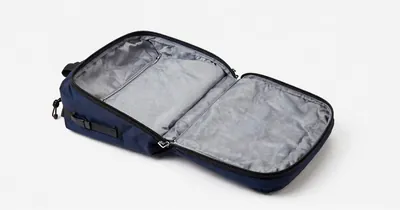
Zipped bags with multiple compartments slow down thieves. Don't make theft easy with open bags. Anti-theft bags with slash-proof material and locking zippers provide extra security but aren't essential. Regular zipped bags work fine if you keep them closed and in view.
Leave expensive jewelry at home. Wearing it makes you a target and serves no purpose while traveling. Wedding rings are fine, but expensive watches, necklaces, or earrings attract unwanted attention.
Money belts or hidden pouches work for storing extra cash and backup cards. Wear these under clothing. However, accessing them in public reveals their location, so don't use them for everyday purchases.
Phone and Bag Security
Don't place phones on restaurant tables or cafe counters. Grab-and-run thefts happen in seconds. Someone walks by, grabs your phone, and disappears into crowds. This is particularly common in Barcelona, Rome, and Paris outdoor cafes.
Keep bags closed and in view. Don't hang them on chair backs or place them at your feet where you can't see them. Restaurant and cafe thefts often target bags placed on adjacent chairs or under tables.
Use bag hooks under tables or keep bags on your lap. This prevents opportunistic theft. Many European cafes have bag hooks built into tables or bars specifically for this purpose.
Stay alert when taking photos. Tourists focused on phone cameras become easy targets. Someone can grab your phone while you're framing a shot. Be aware of people standing too close when you're taking photos in crowded areas.
ATM Safety
Use ATMs inside banks during business hours when possible. These are monitored and safer. Bank ATMs also typically have better exchange rates and lower fees than standalone machines in tourist areas.
Cover the keypad when entering your PIN. Shoulder surfing is common at tourist-area ATMs. Use your other hand or body to shield the keypad from view. Hidden cameras can also capture PINs, so covering the keypad protects against this too.
Check for card skimming devices before inserting your card. Loose or unusual-looking card readers are suspicious. Wiggle the card reader - if it moves or feels loose, don't use that ATM. Legitimate card readers are firmly attached.
Withdraw larger amounts less frequently rather than small amounts daily. This reduces ATM exposure and often saves on fees. However, don't carry more cash than you need for 2-3 days.
Accommodation Security
Use hotel safes for passports, extra cash, and electronics when leaving for the day. Most hotels provide in-room or front-desk safes. Don't assume your room is completely secure.
Don't leave valuables visible in rooms. Housekeeping staff are usually trustworthy but opportunity reduces temptation. Put electronics, jewelry, and cash in drawers or luggage when you leave.
Check that doors and windows lock properly. Report security issues immediately. Test the door lock when you first check in. Make sure windows can be secured if you're on ground or accessible floors.
Hostels require extra vigilance. Use lockers for all valuables and bring your own padlock. Dorm rooms with 6-8 strangers mean you can't leave valuables unsecured. Quality hostels provide individual lockers large enough for backpacks and laptops.
Common Tourist Scams
"Broken" taxi meters happen in cities with tourists. Agree on prices beforehand or use app-based rides. Uber, Bolt, and local equivalents show prices upfront. If using regular taxis, ask the driver to turn on the meter before departure or agree on a fare.
"Helpful" locals offering directions then demanding payment. Politely decline unsolicited help. This scam is common near major train stations. Someone approaches offering to help with directions or carrying bags, then demands €20-50 for the "service."
"Free" bracelet scams where someone ties a bracelet on you then demands payment. Refuse firmly and keep hands in pockets. Common at Sacré-Coeur in Paris and near the Colosseum in Rome. Once the bracelet is on, they become aggressive about payment.
Overpriced restaurant bills in tourist areas. Check prices before ordering and verify bills before paying. Some restaurants add "service charges" or charge for bread/water that appears complimentary. Always check the menu prices and final bill carefully.
Petition scams where people ask you to sign petitions then pickpocket you while you're distracted. Never stop to sign anything from strangers approaching on the street.
Document Backup
Scan or photograph your passport, visa, insurance, and credit cards. Email these to yourself. Having digital copies speeds up replacement if originals are lost or stolen. Store these in cloud storage accessible from any device.
Store physical copies separately from originals. This speeds up replacement if documents are lost or stolen. Keep photocopies in your luggage separate from your day bag carrying the originals.
Know your embassy location and contact details. Save these in your phone. Also note the emergency phone number for your bank to cancel cards if stolen.
Keep a list of important numbers - bank emergency lines, travel insurance provider, credit card companies. Save these in your phone and email them to yourself as backup.
Health Precautions
Bring basic medications (pain relief, antihistamines, stomach remedies). Pharmacies abroad may not stock familiar brands. A small medical kit with plasters, antiseptic, and common medications handles minor issues without finding pharmacies.
Drink bottled water in countries where tap water isn't safe. Most of Europe has safe tap water. Southern European countries, Scandinavia, and Central Europe have excellent tap water. Eastern Europe varies - check current advice.
Travel insurance covering medical emergencies is essential. European healthcare isn't universally free for visitors. EU citizens should carry EHIC/GHIC cards for reciprocal healthcare, but this doesn't cover everything. Travel insurance fills gaps and covers repatriation.
Know how to access healthcare in emergencies. EU countries use 112 as the emergency number. Pharmacies can help with minor issues and many pharmacists speak English in tourist areas.
Emergency Preparation
Know local emergency numbers (112 works across Europe). This connects to police, ambulance, or fire services in all EU countries.
Keep some cash separate from your main wallet. This helps if your wallet is stolen. Store €50-100 in a different pocket or bag location so you have funds for immediate needs.
Inform someone of your itinerary and check in periodically. This matters more for solo travelers. Share your accommodation details and rough schedule with family or friends at home.
Have offline maps downloaded. Google Maps allows downloading specific city maps for offline use. This helps if you lose phone service or need to navigate without data.
Trusting Your Instincts
If a situation feels wrong, leave. Don't worry about being rude. Your safety matters more than social niceties. If someone makes you uncomfortable, create distance immediately.
Avoid poorly lit areas at night, especially alone. This applies everywhere, not just abroad. Stick to well-lit, populated streets when walking at night. Use taxis or rideshares for late-night returns to accommodation.
Drunken crowds and rowdy areas pose risks. Stay aware of your surroundings. Late-night bar districts can become unpredictable. If you're drinking, stay with your group and watch your drinks.
Don't let fear prevent you from traveling. These precautions are common sense, not reasons for paranoia. Millions of people travel safely across Europe every year by following basic awareness.
TopicNest
Contributing writer at TopicNest covering travel and related topics. Passionate about making complex subjects accessible to everyone.